
🔧 The Magic Button
You've heard it everywhere: "Just get a tune." "A tune will unlock 50 horsepower." "You need a tune for that mod."
But what does a tune actually do? What's happening inside your car's computer when someone "tunes" it?
It's not magic. It's not just "making it faster." It's a precise, calculated adjustment of your engine's brain — and understanding it will change how you think about car modifications forever.
Let's break down exactly what happens when your car gets tuned.
🧠 The Brain: What Is an ECU?
The Engine Control Unit Explained
Your car's ECU (Engine Control Unit) or ECM (Engine Control Module) is the computer that runs your engine. Think of it as the brain that makes thousands of decisions every second:
- How much fuel to inject
- When to spark the plugs
- How much boost to run
- When to shift (automatic)
- How to manage emissions
- When to protect the engine
The ECU reads sensors (airflow, temperature, pressure, throttle position) and adjusts engine parameters in real-time to keep everything running smoothly.
Why Manufacturers Tune Conservatively
Stock tunes are conservative for good reasons:
- Emissions compliance — Must meet strict regulations
- Fuel economy — Optimized for efficiency, not power
- Reliability — Built to last 100,000+ miles
- Fuel quality — Must work with worst-case scenario gas
- Safety margins — Extra headroom to prevent damage
- Warranty protection — Avoid claims from aggressive tuning
This means every stock car has untapped potential — and that's where tuning comes in.
⚙️ What a Tune Actually Changes
Fuel Mapping (Air-Fuel Ratio)
The most critical parameter — how much fuel gets injected into each cylinder.
Stock behavior:
- Runs rich (more fuel) for safety
- Conservative ratios (around 12:1 to 13:1)
- Extra fuel prevents detonation
Tuned behavior:
- Optimized ratios (around 12.5:1 to 13.5:1 for power)
- Leaner at cruise (better economy)
- Richer at high load (more power, safety)
- Customized for your mods
Result: More power, better efficiency, or both — depending on goals.
Ignition Timing
When the spark plug fires relative to piston position.
Stock behavior:
- Conservative timing (fires late)
- Retarded to prevent knock
- Safety-first approach
Tuned behavior:
- Advanced timing (fires earlier)
- More power per combustion cycle
- Optimized for fuel quality
- Pushed to the edge (safely)
Result: More power, better throttle response, more efficient combustion.
Boost Control (Turbo/Supercharged)
How much boost pressure the engine sees.
Stock behavior:
- Limited boost (safety margins)
- Gradual ramp-up
- Conservative peak pressure
Tuned behavior:
- Higher peak boost
- Faster spool-up
- More aggressive ramp
- Customized boost curves
Result: Significant horsepower gains (often 30-50% on turbo cars).
Throttle Response
How quickly the throttle opens when you press the pedal.
Stock behavior:
- Gradual, smooth response
- "Drive-by-wire" delay
- Comfort-focused
Tuned behavior:
- Instant response
- More aggressive mapping
- Sportier feel
- Better connection to engine
Result: Car feels more responsive, more engaging, more "alive."
Rev Limiter
Maximum engine RPM before fuel cut.
Stock behavior:
- Conservative limit (safety)
- Protects engine from over-revving
- Lower than engine's actual capability
Tuned behavior:
- Higher limit (if safe)
- More usable RPM range
- Better power band utilization
Result: More power available, better track performance.
Transmission Tuning (Automatic)
Shift points, firmness, and behavior of automatic transmissions.
Stock behavior:
- Comfort-focused shifts
- Early upshifts (economy)
- Soft, smooth engagement
Tuned behavior:
- Sportier shift points
- Firmer shifts (less slip)
- Holds gears longer
- Better downshift behavior
Result: Faster acceleration, better track performance, more control.
Torque Management
How the ECU limits torque to protect drivetrain.
Stock behavior:
- Limits torque in lower gears
- Protects transmission/clutch
- Prevents wheelspin
Tuned behavior:
- Removes or reduces limits
- More power in lower gears
- Better launch performance
Result: Faster 0-60 times, better acceleration.
🎯 Different Types of Tunes
Stage 1 Tune (Stock Hardware)
What it does:
- Optimizes existing hardware
- Removes conservative limits
- Improves efficiency
- No mods required
Typical gains:
- 10-20% horsepower increase
- Better throttle response
- Improved fuel economy (sometimes)
- More aggressive feel
Best for: Daily drivers, first mod, budget builds.
Stage 2 Tune (Basic Mods)
What it does:
- Optimizes for intake/exhaust mods
- Adjusts for better airflow
- More aggressive parameters
- Requires supporting mods
Typical gains:
- 20-40% horsepower increase
- Better power delivery
- Improved top-end power
- Requires: intake, exhaust, downpipe
Best for: Enthusiasts, weekend builds, track days.
Stage 3 Tune (Major Mods)
What it does:
- Optimizes for turbo upgrades
- Handles more airflow
- Manages higher boost
- Requires significant mods
Typical gains:
- 40-100%+ horsepower increase
- Maximum power potential
- Requires: turbo, fuel system, intercooler
Best for: Serious builds, track cars, maximum power.
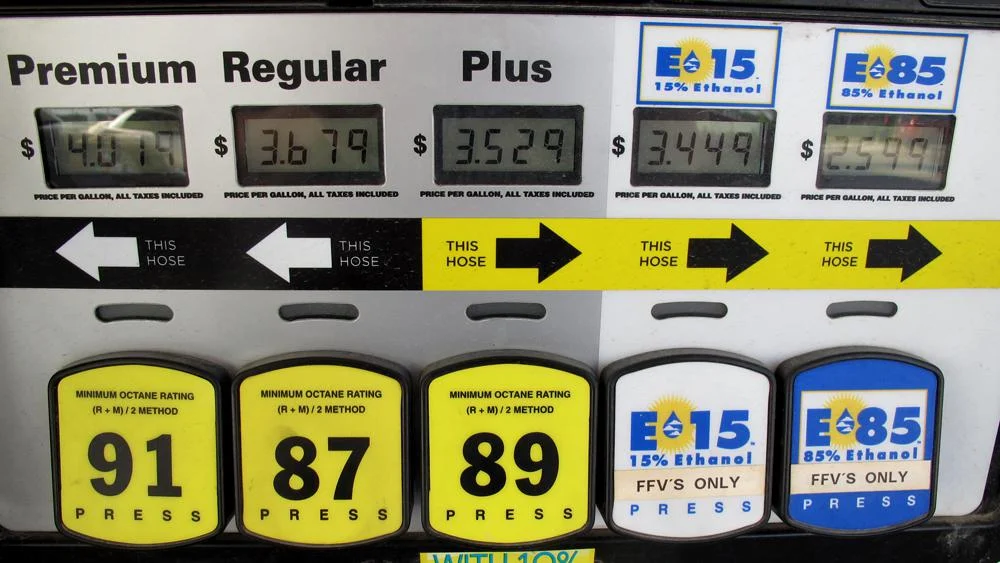
E85 Tune (Ethanol Fuel)
What it does:
- Optimizes for ethanol blend
- Adjusts fuel delivery
- Advances timing (ethanol's octane)
- Requires fuel system upgrades
Typical gains:
- 20-50% horsepower increase
- Higher octane = more boost/timing
- Requires: E85-capable fuel system
Best for: Maximum power, track use, ethanol availability.
Custom Tune (Dyno Tuned)
What it does:
- Tailored to your exact setup
- Optimized on dyno
- Fine-tuned for your mods
- Maximum performance
Typical gains:
- Best possible results
- Optimized for your car
- Requires: dyno time, professional tuner
Best for: Serious builds, maximum optimization, track cars.
🔬 The Technical Process: How Tuning Works
Reading the ECU
Step 1: Access the ECU
- Connect tuning device (Cobb, Accessport, etc.)
- Or use OBD-II port
- Or bench flash (remove ECU)
Step 2: Read Current Map
- Download stock tune
- Backup original file
- Analyze current parameters
Step 3: Modify Parameters
- Adjust fuel maps
- Change ignition timing
- Modify boost curves
- Update other parameters
Step 4: Write New Map
- Flash new tune to ECU
- Verify installation
- Test functionality
The Tuning Software
Popular platforms:
- Cobb Accessport — User-friendly, pre-made maps
- Hondata — Honda/Acura specialist
- ECUtek — Professional-grade, wide support
- HP Tuners — GM/Ford specialist
- Open-source — Free, requires expertise
What you see:
- 3D fuel maps (RPM vs. load)
- Ignition timing tables
- Boost control maps
- Throttle response curves
- Hundreds of other parameters
📊 Real-World Examples: What Tunes Actually Do
Example 1: Stock Turbo Car (Stage 1)
Before tune:
- 250 horsepower
- 0-60: 5.5 seconds
- Conservative boost (12 PSI)
- Soft throttle response
After Stage 1 tune:
- 300 horsepower (+50 HP)
- 0-60: 4.8 seconds
- Higher boost (18 PSI)
- Instant throttle response
What changed:
- Boost increased 50%
- Ignition timing advanced
- Fuel maps optimized
- Throttle response sharpened
Example 2: Modded Car (Stage 2)
Before tune:
- Intake, exhaust, downpipe installed
- Still running stock tune
- 280 horsepower (mods not optimized)
After Stage 2 tune:
- 380 horsepower (+100 HP from baseline)
- Mods now fully utilized
- Better power delivery
- Optimized for new hardware
What changed:
- Tune adjusted for better airflow
- More aggressive parameters
- Boost increased further
- Timing optimized for mods
Example 3: E85 Conversion
Before:
- 300 horsepower on pump gas
- Limited by octane (91-93)
After E85 tune:
- 400 horsepower (+100 HP)
- Higher octane (105+) = more boost/timing
- Better cooling properties
- More power potential
What changed:
- Fuel delivery increased (E85 needs more)
- Timing advanced significantly
- Boost increased (higher octane)
- Optimized for ethanol blend
⚡ The Benefits: What You Actually Get
Power Gains
The obvious benefit:
- More horsepower
- More torque
- Better power delivery
- More usable RPM range
How much?
- Stage 1: 10-20% increase
- Stage 2: 20-40% increase
- Stage 3: 40-100%+ increase
- E85: 20-50% additional
Drivability Improvements
Less obvious but important:
- Better throttle response
- Smoother power delivery
- Eliminated dead spots
- Better part-throttle behavior
- Improved shift behavior (auto)
Efficiency Gains (Sometimes)
Counterintuitive but real:
- Better fuel economy at cruise
- More efficient combustion
- Optimized air-fuel ratios
- Better part-load efficiency
Note: Aggressive tunes often reduce economy, but conservative tunes can improve it.
Reliability Improvements (If Done Right)
Proper tuning can:
- Remove problematic factory settings
- Optimize for your fuel quality
- Better engine protection
- More consistent operation
But: Poor tuning can destroy engines.
⚠️ The Risks: What Can Go Wrong
Engine Damage
Common causes:
- Too much boost (bent rods, blown head gaskets)
- Too much timing (detonation, piston damage)
- Too lean (melted pistons, burned valves)
- Over-revving (valve float, engine failure)
Prevention:
- Professional tuning
- Proper supporting mods
- Quality fuel
- Regular monitoring
Drivetrain Stress
Increased power stresses:
- Clutch (manual) — Can slip or fail
- Transmission (auto) — Can overheat or fail
- Axles — Can break under load
- Differential — Can fail with too much power
Solution:
- Upgrade drivetrain components
- Tune conservatively
- Monitor temperatures
Warranty Void
Tuning typically:
- Voids powertrain warranty
- Can be detected by dealers
- May affect other warranties
- Creates liability issues
Solution:
- Understand the risks
- Consider warranty period
- Some tuners offer warranty
Legal Issues
Tuning can:
- Violate emissions laws
- Fail emissions testing
- Create legal liability
- Affect insurance
Solution:
- Research local laws
- Consider emissions-legal tunes
- Understand consequences
🎓 Common Misconceptions
"A Tune Is Just Software"
Reality: Tuning is complex engineering. It requires understanding:
- Engine dynamics
- Combustion science
- Fuel systems
- Turbo systems
- Safety margins
Bad tunes destroy engines. Good tunes are works of art.
"More Boost = More Power"
Reality: More boost helps, but:
- Must match fuel delivery
- Must match ignition timing
- Must match airflow capacity
- Must match cooling capacity
Balance is everything. More isn't always better.
"All Tunes Are the Same"
Reality: Tunes vary dramatically:
- Quality of tuner matters
- Hardware setup matters
- Fuel quality matters
- Goals matter (power vs. economy)
A $500 tune ≠ a $2,000 custom tune.
"Tuning Is Reversible"
Reality: Technically yes, but:
- Dealers can detect tuning history
- Some changes are permanent
- Warranty may still be void
- Some systems log modifications
"Reversible" doesn't mean "undetectable."
"I Can Tune My Own Car"
Reality: Possible, but:
- Requires significant knowledge
- Requires proper equipment
- Requires safety understanding
- High risk of engine damage
Professional tuning is usually worth it.
🔧 When Do You Need a Tune?
After Performance Mods
You need a tune when you:
- Install intake/exhaust
- Upgrade turbo
- Change fuel system
- Modify airflow
- Add significant power mods
Why: Stock tune doesn't know about your mods. It needs to be told how to use them.
For Maximum Performance
You want a tune when you:
- Want more power
- Want better response
- Want to optimize setup
- Want to extract potential
Why: Stock tunes leave power on the table.
For E85 Conversion
You need a tune when you:
- Switch to E85 fuel
- Want maximum power
- Have E85-capable fuel system
Why: E85 requires different fuel delivery and can handle more boost/timing.
For Problem Solving
You might need a tune when you:
- Have drivability issues
- Want to fix factory problems
- Need to optimize for fuel quality
- Want to improve reliability
Why: Sometimes stock tunes have problems that custom tuning can fix.
💰 DIY vs. Professional Tuning
DIY Tuning
Pros:
- Lower cost
- Learning experience
- Full control
- Can iterate quickly
Cons:
- High risk of engine damage
- Requires significant knowledge
- Time-consuming
- Equipment costs
- No warranty
Best for: Experienced enthusiasts, learning, budget builds.
Professional Tuning
Pros:
- Professional expertise
- Lower risk
- Optimized results
- Warranty (sometimes)
- Support
Cons:
- Higher cost
- Less control
- Requires dyno time
- Scheduling
Best for: Most people, serious builds, maximum results.
Pre-Made Tunes (OTS Maps)
Pros:
- Lower cost
- Quick installation
- Tested and safe
- Easy to use
Cons:
- Not optimized for your car
- Generic settings
- May not work with all mods
- Less power potential
Best for: Basic mods, budget builds, starting point.
🛡️ Safety Considerations
Proper Supporting Mods
Before aggressive tuning, ensure:
- Fuel system can handle demand
- Cooling system is adequate
- Drivetrain can handle power
- Brakes can handle speed
- Tires can handle power
Tuning without supporting mods = engine damage.
Quality Fuel
Use quality fuel:
- Top-tier gas stations
- Correct octane rating
- Fresh fuel (not old)
- Avoid questionable sources
Bad fuel + aggressive tune = detonation = engine damage.
Monitoring
After tuning, monitor:
- Air-fuel ratios
- Boost levels
- Temperatures
- Knock/detonation
- Oil pressure
Catch problems early = save engine.
Conservative Approach
Start conservative:
- Don't push limits immediately
- Test gradually
- Monitor everything
- Build up to aggressive settings
Patience prevents problems.
📈 The Tuning Process: Step by Step
1. Baseline Testing
Before tuning:
- Dyno test stock power
- Log current parameters
- Identify issues
- Set goals
Know where you start.
2. Initial Tune
First iteration:
- Conservative adjustments
- Test basic parameters
- Verify safety
- Check for issues
Start safe, build up.
3. Iteration
Refine the tune:
- Make adjustments
- Test on dyno
- Log data
- Optimize parameters
Iteration creates perfection.
4. Final Tune
Optimized result:
- Maximum safe power
- Best drivability
- Reliable operation
- Documented settings
The finished product.
5. Road Testing
Real-world validation:
- Test on street/track
- Verify behavior
- Check for issues
- Fine-tune if needed
Real-world > dyno numbers.
🎯 Tuning Goals: What Are You Trying to Achieve?
Maximum Power
Focus:
- Maximum boost
- Aggressive timing
- Optimal air-fuel ratios
- Peak horsepower
Trade-offs:
- Lower reliability
- Worse fuel economy
- More stress on components
Daily Driver
Focus:
- Good power increase
- Maintain reliability
- Good fuel economy
- Smooth operation
Trade-offs:
- Less peak power
- More conservative settings
Track Performance
Focus:
- Power delivery
- Throttle response
- RPM range
- Consistency
Trade-offs:
- May sacrifice economy
- More aggressive settings
Fuel Economy
Focus:
- Efficient combustion
- Lean cruise ratios
- Optimized timing
- Better efficiency
Trade-offs:
- Less peak power
- More conservative approach
🔥 The Bottom Line
A tune isn't magic. It's precision engineering:
- Optimizes your engine's brain for performance
- Removes conservative factory limits safely
- Unlocks potential in your hardware
- Transforms drivability and response
- Requires knowledge and care to do right
What it actually does:
- Adjusts fuel delivery
- Changes ignition timing
- Modifies boost control
- Improves throttle response
- Optimizes for your goals
What it requires:
- Proper supporting mods
- Quality fuel
- Professional expertise (usually)
- Safety understanding
- Monitoring and care
The result:
- More power
- Better response
- Improved drivability
- Transformed car
But remember: A bad tune destroys engines. A good tune transforms them.
So whether you're going Stage 1 or full custom E85, understand what you're doing. Because a tune isn't just software — it's the difference between a car and a machine.
❓ FAQs
What does a tune actually do to your car?
A tune modifies your ECU's parameters — fuel delivery, ignition timing, boost control, throttle response, and more — to optimize performance, remove conservative factory limits, and unlock horsepower potential.
How much horsepower does a tune add?
Depends on the car and tune level. Stage 1: 10-20%, Stage 2: 20-40%, Stage 3: 40-100%+. Turbo cars see bigger gains than naturally aspirated.
Do you need a tune after mods?
Yes, for performance mods like intake, exhaust, turbo upgrades, or fuel system changes. The stock tune doesn't know about your mods and needs adjustment to use them properly.
Is tuning bad for your engine?
Proper tuning by professionals is safe and can improve reliability. Poor tuning or overly aggressive tuning can damage engines. Quality and expertise matter.
Can you tune a stock car?
Yes, Stage 1 tunes work on stock cars and can add 10-20% power by optimizing existing hardware and removing conservative factory limits.
How much does a tune cost?
Pre-made tunes: $300-800. Custom dyno tunes: $500-2,000+. Professional tuning costs more but provides better results and safety.
Does tuning void warranty?
Usually yes, especially powertrain warranty. Dealers can detect tuning history. Some tuners offer their own warranty programs.
What's the difference between Stage 1, 2, and 3 tunes?
Stage 1: Stock hardware optimization. Stage 2: Basic mods (intake/exhaust). Stage 3: Major mods (turbo, fuel system). Each requires more mods and provides more power.
Can you tune your own car?
Technically yes with proper equipment and knowledge, but it's risky. Professional tuning is recommended for most people to avoid engine damage.
How long does a tune take?
Pre-made tune installation: 30-60 minutes. Custom dyno tune: 2-6 hours depending on complexity and iteration.
A tune doesn't just change numbers on a dyno. It changes how your car thinks, how it responds, and how it feels. It's the difference between driving a car and driving a machine. And when done right, it's pure magic.