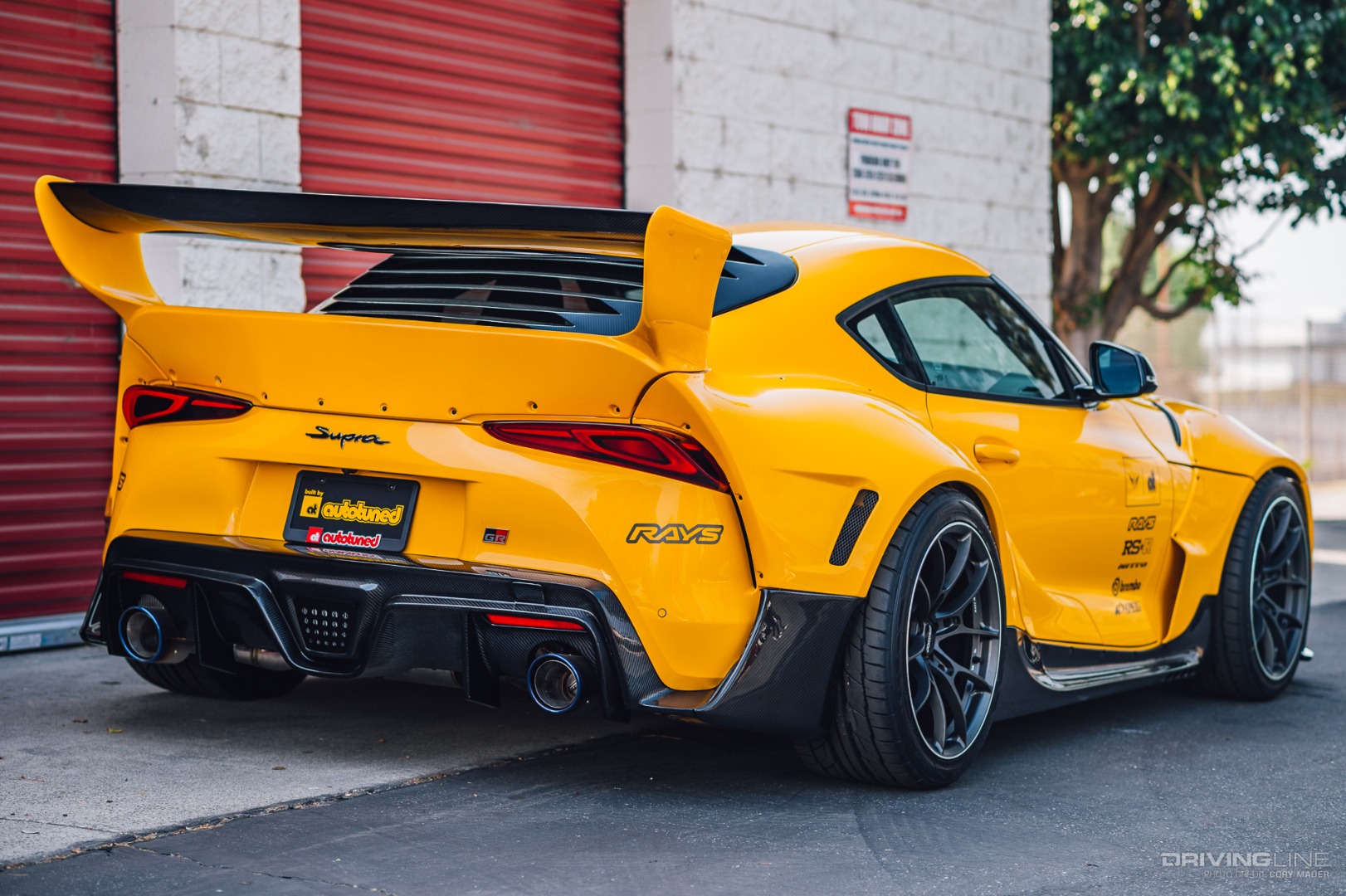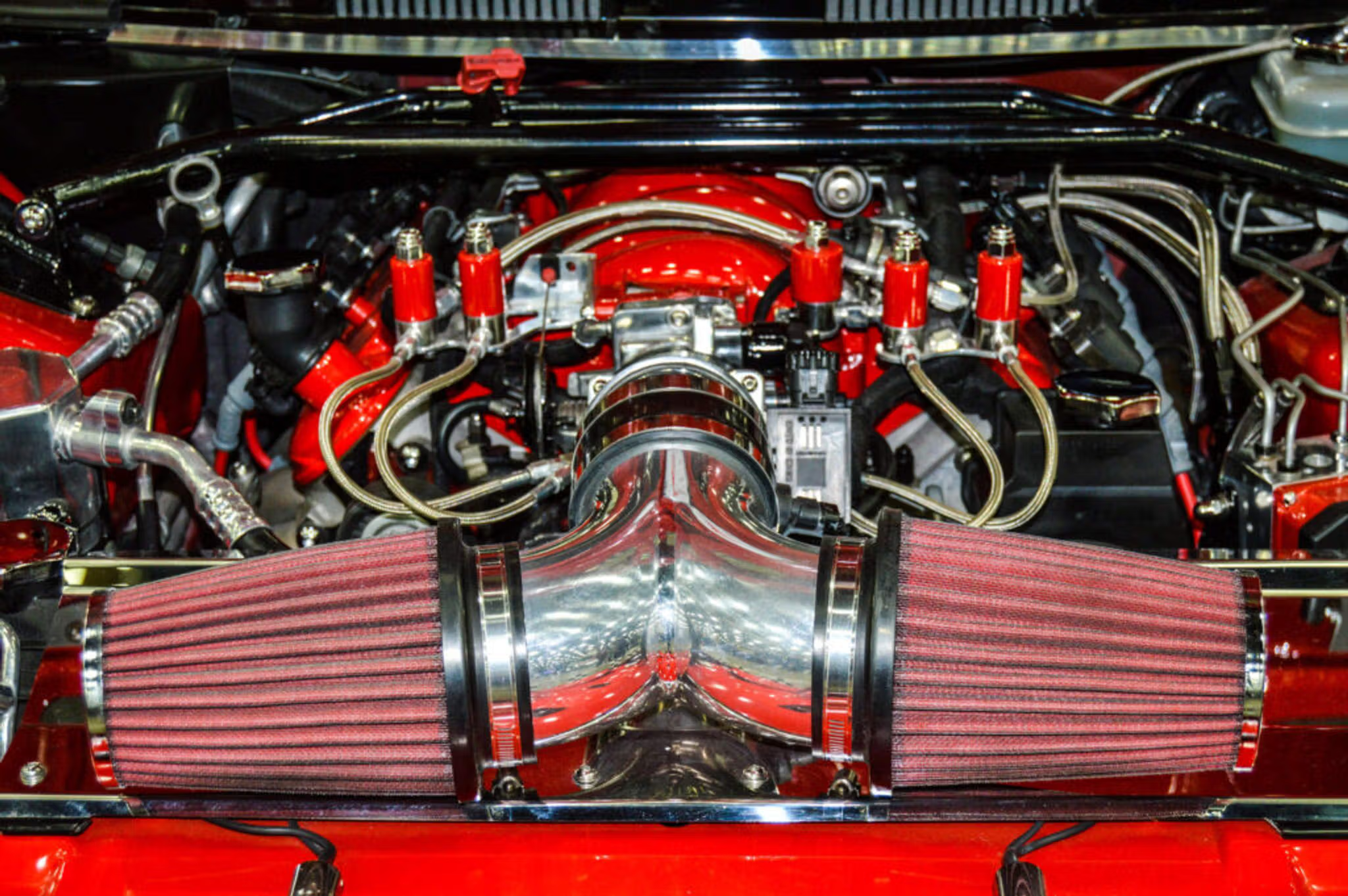

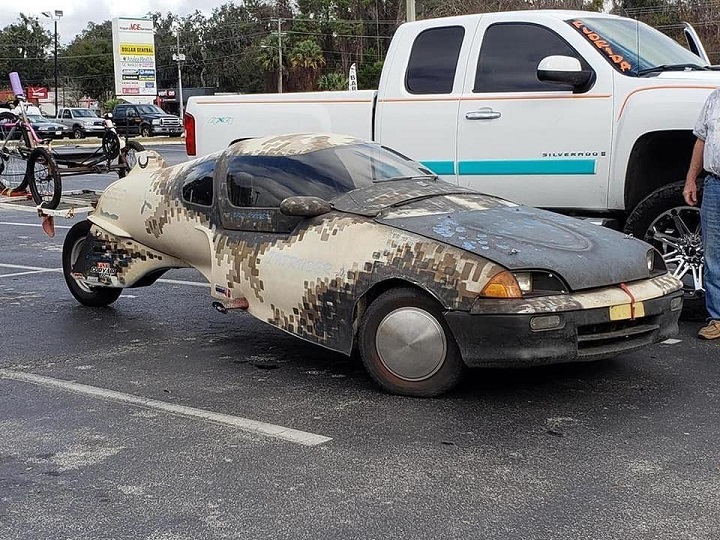
🎭 The Illusion of Performance
You've seen them. The cars that look fast. The builds that appear modified. The rides that scream "performance" but deliver... nothing.
In car culture, there's a fine line between looking the part and being the part. And sometimes, that line is drawn with fake mods — modifications that promise performance but deliver zero results.
These aren't just cosmetic choices. These are mods that people genuinely believe improve their car — but they don't. Not even a little bit.
Let's break down the 5 mods that do absolutely nothing and why people keep installing them anyway.
1. 🕳️ Fake Hood Scoops: The Ultimate Placebo
What They Are
Fake hood scoops are non-functional air intakes that look like they're feeding air to your engine — but they're just plastic shells stuck on your hood.
They come in all shapes:
- Stick-on scoops — Double-sided tape specials
- Bolt-on scoops — Screwed into the hood (still fake)
- Painted-on scoops — Literally just paint
- Carbon fiber look scoops — Fake material, fake function
Why People Install Them
The psychology is simple:
- They look aggressive and race-inspired
- They suggest forced induction (turbo/supercharger)
- They're cheap ($20-100)
- They're easy to install
- They make your car look "modified"
People think: "If it looks like a race car, it must be faster, right?"
Wrong.
Why They Do Nothing
Fake hood scoops are completely non-functional:
- No air routing — They don't connect to anything
- No performance gain — Zero horsepower increase
- No cooling benefit — Air doesn't reach the engine
- No induction — They're just decorative shells
- Potential drag increase — They can actually hurt aerodynamics
Real hood scoops work because they:
- Connect to the intake system
- Route air to the engine or intercooler
- Are integrated into the hood structure
- Actually improve airflow
Fake ones are just aerodynamic decorations that add weight and potentially increase drag.
The Real Cost
Beyond the purchase price:
- Drilling holes in your hood (if bolt-on)
- Paint damage from adhesive (if stick-on)
- Resale value — Buyers see through fake mods
- Community respect — Car people know they're fake
- Potential rust — Holes in hood = corrosion risk
What Actually Works
If you want real performance:
- Cold air intake — Actually improves airflow
- Functional hood vents — Release under-hood heat
- Proper intercooler — For turbo/supercharged cars
- Ram air intake — Real air routing system
Or just accept that your car doesn't need a hood scoop — and that's okay.
2. 💨 Fake Exhaust Tips: The Sound of Nothing
What They Are
Fake exhaust tips are decorative exhaust outlets that don't connect to your actual exhaust system. They're just hollow tubes bolted or welded on for looks.
Common types:
- Stick-on tips — Clamp over your real exhaust
- Bolt-on tips — Attached separately from exhaust
- Fake dual exhaust — One real pipe, one fake
- Oversized tips — Way bigger than the actual pipe
- Chrome tips on stock exhaust — Just for looks
Why People Install Them
The appeal is obvious:
- They look aggressive and sporty
- They suggest performance exhaust
- They're cheaper than real exhaust ($50-200 vs $500-2000)
- They're easy to install
- They make your car look "modified"
People think: "If it looks like a performance exhaust, it must sound better, right?"
Wrong again.
Why They Do Nothing
Fake exhaust tips are purely cosmetic:
- No sound change — They don't affect exhaust flow
- No performance gain — Zero horsepower increase
- No backpressure reduction — They're just decorative
- No weight savings — They actually add weight
- No flow improvement — Air doesn't even go through them
Real exhaust tips work because they:
- Are part of the exhaust system
- Actually route exhaust gases
- Can improve flow (if part of full system)
- Are sized to match pipe diameter
Fake ones are just metal decorations that add weight and look obvious to anyone who knows cars.
The Real Cost
Beyond the purchase price:
- Welding costs — If you weld them on
- Rust potential — Cheap materials corrode
- Resale value — Obvious fake mods hurt value
- Community respect — Car people spot fakes instantly
- Potential damage — Poor installation can damage real exhaust
What Actually Works
If you want real exhaust performance:
- Full cat-back exhaust — Real flow improvement
- Axle-back exhaust — Sound and slight performance
- Headers — Actual performance gains
- High-flow cats — Legal performance improvement
Or just accept that your stock exhaust is fine — and save your money.
3. ❄️ Fake Intercooler Sprayers: The Cooling Illusion
What They Are
Fake intercooler sprayers are non-functional water/methanol injection systems that look like they're cooling your intercooler — but they're just decorative nozzles that don't actually spray anything.
Common types:
- Stick-on nozzles — Just plastic shells
- Non-connected sprayers — No water line attached
- Fake reservoir tanks — Empty containers for looks
- Decorative plumbing — Fake water lines
- LED "spray" effects — Literally just lights
Why People Install Them
The logic seems sound:
- They look like serious performance mods
- They suggest forced induction tuning
- They're relatively cheap ($50-150)
- They're easy to install
- They make your car look "race-ready"
People think: "If it looks like a race car cooling system, it must help performance, right?"
Nope.
Why They Do Nothing
Fake intercooler sprayers are completely useless:
- No cooling — They don't actually spray anything
- No performance gain — Zero horsepower increase
- No temperature reduction — Intercooler stays hot
- No water injection — They're just decorative
- No functional benefit — Pure aesthetics
Real intercooler sprayers work because they:
- Actually spray water/methanol
- Cool the intercooler surface
- Reduce intake air temperature
- Are connected to a reservoir and pump
- Have proper nozzles and plumbing
Fake ones are just plastic decorations that add weight and look obvious to anyone who knows forced induction.
The Real Cost
Beyond the purchase price:
- Installation complexity — Even fake ones take time
- Resale value — Obvious fake mods hurt value
- Community respect — Turbo people know they're fake
- Potential damage — Poor installation can damage intercooler
- Missed opportunity — Money that could go to real mods
What Actually Works
If you want real intercooler performance:
- Larger intercooler — More cooling capacity
- Better intercooler placement — Improved airflow
- Real water/methanol injection — Actual cooling system
- Intercooler heat shields — Reduce heat soak
- Upgraded intercooler piping — Better flow
Or just accept that your stock intercooler is fine — and that fake sprayers are obvious.
4. 🎺 Fake Turbo Whistles: The Sound of Fake Power
What They Are
Fake turbo whistles are devices that make a whistling sound to simulate turbocharger noise — but they don't actually add any turbo functionality.
Common types:
- Exhaust whistle inserts — Make noise in exhaust
- Intake whistle devices — Fake turbo sounds
- Electronic sound generators — Speakers that make turbo noise
- Mechanical whistle mods — Various noise-making devices
- Fake BOV sounds — Simulated blow-off valve noise
Why People Install Them
The appeal is clear:
- They sound like a turbo car
- They're cheap ($20-80)
- They're easy to install
- They make your car sound "modified"
- They fool people who don't know better
People think: "If it sounds like a turbo, people will think it's fast, right?"
Wrong, and also embarrassing.
Why They Do Nothing
Fake turbo whistles are purely auditory:
- No performance gain — Zero horsepower increase
- No actual turbo — Your car is still naturally aspirated
- No boost pressure — You're not making any boost
- No power increase — Sound doesn't equal speed
- No functional benefit — Just noise
Real turbochargers work because they:
- Actually compress air
- Increase engine power significantly
- Create real boost pressure
- Improve performance dramatically
- Make real turbo sounds naturally
Fake ones are just noise makers that add nothing but embarrassment when someone looks under your hood.
The Real Cost
Beyond the purchase price:
- Embarrassment — Car people know they're fake
- Resale value — Obvious fake mods hurt value
- Community respect — You'll be the laughing stock
- Potential damage — Can affect exhaust flow
- Missed opportunity — Money that could go to real mods
What Actually Works
If you want real turbo performance:
- Actual turbo kit — Real forced induction
- Supercharger — Alternative forced induction
- Nitrous oxide — Power adder (if legal)
- Engine swap — Turbo engine from factory
- Save for turbo car — Buy a car that came with one
Or just accept that your naturally aspirated car is fine — and that fake sounds are obvious.
5. 🎨 Fake Carbon Fiber Wraps: The Weight of Nothing
What They Are
Fake carbon fiber wraps are vinyl stickers that look like carbon fiber — but they're just printed patterns with zero functional benefit.
Common applications:
- Hood wraps — Fake carbon fiber hood
- Roof wraps — Fake carbon fiber roof
- Interior trim — Fake carbon fiber dash
- Mirror caps — Fake carbon fiber mirrors
- Various panels — Anywhere you want the "look"
Why People Install Them
The appeal is obvious:
- They look expensive and race-inspired
- They suggest weight savings (carbon fiber is light)
- They're cheap ($50-300 vs $1000-5000 for real)
- They're easy to install
- They make your car look "modified"
People think: "If it looks like carbon fiber, it must be lighter, right?"
Absolutely not.
Why They Do Nothing
Fake carbon fiber wraps are purely cosmetic:
- No weight savings — They actually add weight (vinyl)
- No performance gain — Zero horsepower increase
- No structural benefit — They're just stickers
- No strength increase — They don't reinforce anything
- No functional benefit — Pure aesthetics
Real carbon fiber works because it:
- Is actually lighter than steel/aluminum
- Provides structural strength
- Reduces weight significantly
- Improves performance through weight savings
- Is a real performance material
Fake wraps are just printed vinyl that add weight and look obvious to anyone who knows materials.
The Real Cost
Beyond the purchase price:
- Installation costs — Professional wrapping isn't free
- Paint damage — Adhesive can damage paint
- Removal costs — Getting it off later
- Resale value — Fake mods hurt value
- Community respect — Car people know they're fake
- Weight increase — Vinyl actually adds weight
What Actually Works
If you want real carbon fiber benefits:
- Real carbon fiber parts — Actual weight savings
- Carbon fiber hood — Real weight reduction
- Carbon fiber roof — Significant weight savings
- Carbon fiber body panels — Real performance benefit
- Weight reduction mods — Remove unnecessary parts
Or just accept that your stock panels are fine — and that fake wraps are obvious.
🎯 The Psychology: Why People Still Buy These
The Look vs. Performance Problem
Many car enthusiasts confuse:
- Looking fast vs. Being fast
- Appearing modified vs. Actually being modified
- Cosmetic changes vs. Performance changes
- Social media appeal vs. Real performance
The truth: Looking the part doesn't make you the part.
The Cost vs. Benefit Illusion
People think:
- "It's cheap, so why not?"
- "It looks good, so it must help"
- "Everyone else has one, so I need one"
- "It can't hurt, right?"
The reality: It can hurt — your wallet, your resale value, and your reputation.
The Social Media Effect
Social media rewards:
- Visual appeal over actual performance
- Quick mods over real builds
- Cosmetic changes over functional improvements
- Instant gratification over long-term planning
The result: People prioritize looking modified over being modified.
The Knowledge Gap
Many enthusiasts don't understand:
- How real performance mods work
- What actually improves performance
- Why some mods are fake
- How to spot fake mods
The solution: Education and research before buying.
💰 The Real Cost: Beyond the Purchase Price
Financial Impact
Fake mods cost more than you think:
- Purchase price — The mod itself
- Installation — Time or professional cost
- Removal — Getting it off later
- Paint damage — Adhesive, drilling, etc.
- Resale value — Fake mods hurt value
- Missed opportunity — Money that could go to real mods
Total cost: Often 2-3x the purchase price.
Reputation Impact
Fake mods affect your reputation:
- Car community — People know they're fake
- Resale buyers — See through fake mods
- Mechanics — Know what's real and what's not
- Social media — Comments will call you out
The result: You become known for fake mods instead of real builds.
Performance Impact
Fake mods can actually hurt performance:
- Added weight — Wraps, fake scoops, etc.
- Increased drag — Poor aerodynamics
- Exhaust restriction — Fake tips can affect flow
- Heat retention — Fake mods can trap heat
The irony: Mods meant to look fast can actually make you slower.
✅ What Actually Works: Real Performance Mods
Engine Modifications
Real performance mods that work:
- Cold air intake — Actually improves airflow
- Exhaust system — Real flow improvement
- Tuning/ECU — Actual power gains
- Forced induction — Turbo/supercharger
- Internal engine work — Cams, pistons, etc.
These cost more but deliver real results.
Suspension Modifications
Real handling mods that work:
- Coilovers — Real suspension improvement
- Sway bars — Actual handling gains
- Bushings — Real feel improvement
- Brake upgrades — Actual stopping power
- Wheels/tires — Real grip improvement
These improve actual performance, not just looks.
Weight Reduction
Real weight savings that work:
- Remove unnecessary parts — Real weight loss
- Lightweight wheels — Actual unsprung weight reduction
- Carbon fiber parts — Real weight savings
- Battery relocation — Weight distribution
- Interior removal — Track-focused weight loss
These improve performance through actual weight reduction.
Aerodynamics
Real aero mods that work:
- Functional splitters — Real downforce
- Proper wings — Actual aerodynamic benefit
- Undertrays — Real airflow management
- Diffusers — Actual downforce generation
- Wind tunnel testing — Real aero development
These improve performance through actual aerodynamics.
🎓 How to Spot Fake Mods
Visual Inspection
Signs of fake mods:
- No connections — Scoops that don't connect to anything
- Mismatched materials — Fake carbon fiber texture
- Poor fitment — Gaps, misalignment
- Cheap materials — Plastic, thin metal
- Obvious installation — Screws, tape visible
Real mods look integrated and functional.
Functional Testing
Ways to test if mods work:
- Hood scoops — Check if air actually flows through
- Exhaust tips — See if they're part of the system
- Intercooler sprayers — Test if they actually spray
- Turbo whistles — Check if there's an actual turbo
- Carbon fiber — Feel the material (real CF is rigid)
Real mods have functional components.
Research and Knowledge
How to avoid fake mods:
- Research before buying — Know what you're getting
- Ask the community — Car people know what's real
- Check reviews — See what others say
- Understand your car — Know what mods actually work
- Save for real mods — Quality over quantity
Knowledge prevents mistakes.
🏁 The Bottom Line
Fake mods do absolutely nothing:
- No performance gain — Zero horsepower increase
- No functional benefit — Pure aesthetics
- Potential harm — Can actually hurt performance
- Wasted money — Could go to real mods
- Reputation damage — Car people know they're fake
But people keep buying them because:
- They're cheap and easy
- They look good (to some)
- Social media rewards visuals
- People don't know better
- Instant gratification over real results
The solution:
- Educate yourself — Know what actually works
- Save your money — Buy real mods instead
- Build properly — Quality over quantity
- Respect the community — Don't fake the funk
- Be honest — Admit when mods are just cosmetic
Because the best builds aren't the ones that look fast — they're the ones that actually are.
❓ FAQs
Do fake hood scoops improve performance?
No. Fake hood scoops are purely cosmetic and provide zero performance benefit. They don't connect to the intake system and can actually increase drag.
Do fake exhaust tips make your car faster?
No. Fake exhaust tips are decorative only and don't affect exhaust flow or performance. They're just metal decorations that add weight.
Do fake intercooler sprayers cool your intercooler?
No. Fake intercooler sprayers don't actually spray anything. They're just decorative nozzles with no functional benefit.
Do fake turbo whistles add horsepower?
No. Fake turbo whistles only make noise. They don't add any turbo functionality or performance gains. Your car is still naturally aspirated.
Do fake carbon fiber wraps reduce weight?
No. Fake carbon fiber wraps are just vinyl stickers that actually add weight. Real carbon fiber reduces weight, but wraps are purely cosmetic.
Why do people buy fake mods?
People buy fake mods because they're cheap, easy to install, and make cars look modified. However, they provide no performance benefit and can hurt resale value.
What mods actually improve performance?
Real performance mods include cold air intakes, exhaust systems, tuning, forced induction, suspension upgrades, weight reduction, and proper aerodynamics. These cost more but deliver real results.
How can I spot fake mods?
Fake mods often have no functional connections, use cheap materials, have poor fitment, and are obviously decorative. Real mods are integrated and functional.
Should I buy fake mods?
No. Save your money for real mods that actually improve performance. Fake mods waste money, hurt resale value, and damage your reputation in the car community.
What's the difference between cosmetic and performance mods?
Cosmetic mods change appearance only (wheels, paint, body kits). Performance mods actually improve speed, handling, or power (intakes, exhaust, tuning, suspension). Some mods can be both (real carbon fiber, functional aero).
The best mods aren't the ones that look fast — they're the ones that actually make you faster. Because in car culture, respect comes from performance, not pretense.