
🌉 The Bay Area Didn't Follow Car Culture. It Wrote Some of the Rules.
Every car scene claims it started something. The Bay Area actually did. Somewhere around the early 2000s, a wave of Honda Civics and Acura Integras rolling through Fremont, San Jose, and the East Bay pushed lowered, tucked-wheel builds so far that the internet needed a new word for it. That word became Hellaflush, and it didn't stay a Bay Area thing for long. It became the aesthetic that half of modern car culture, stance included, still argues about today.
That history matters because it explains why this scene doesn't feel like a copy of anywhere else. It's not a warm-weather cruise culture like Miami, and it's not a muscle-car heritage story like Detroit. The Bay Area is the place where a bunch of teenagers with import cars and too much free time accidentally built a movement, and twenty-plus years later the region is still one of the most influential JDM and stance markets in the country.
Here's what that actually looks like on the ground in 2026.
🏁 Wekfest Still Treats San Jose Like Home Turf
If you want proof the Bay Area's influence never faded, look at where the biggest stance and JDM show in the country keeps landing. Wekfest San Jose 2026 is set for Sunday, June 28th, running 10 AM to 7 PM at the San Jose Convention Center, and it's one of the flagship stops on the entire Wekfest USA calendar.
Wekfest didn't pick San Jose by accident. This is the market that produced the builds, the shops, and the photographers who made the stance movement a global export in the first place, and the show still pulls exactly the crowd you'd expect: widebody GT-Rs parked next to bagged VIP sedans, deep-dish wheels tucked under Civics that have been built and rebuilt a dozen times, and a photography crowd that treats every row like a runway. If you're trying to understand what "Bay Area style" actually means instead of just reading about it, one afternoon at Wekfest San Jose will teach you more than any forum thread.
Spota tip: a show this dense with builds is exactly what Photo Ops and Garage entries are made for. Shoot it right and you've got a full afternoon of content for your profile.
☕ The Tri-Valley Keeps the Scene Running Every Month
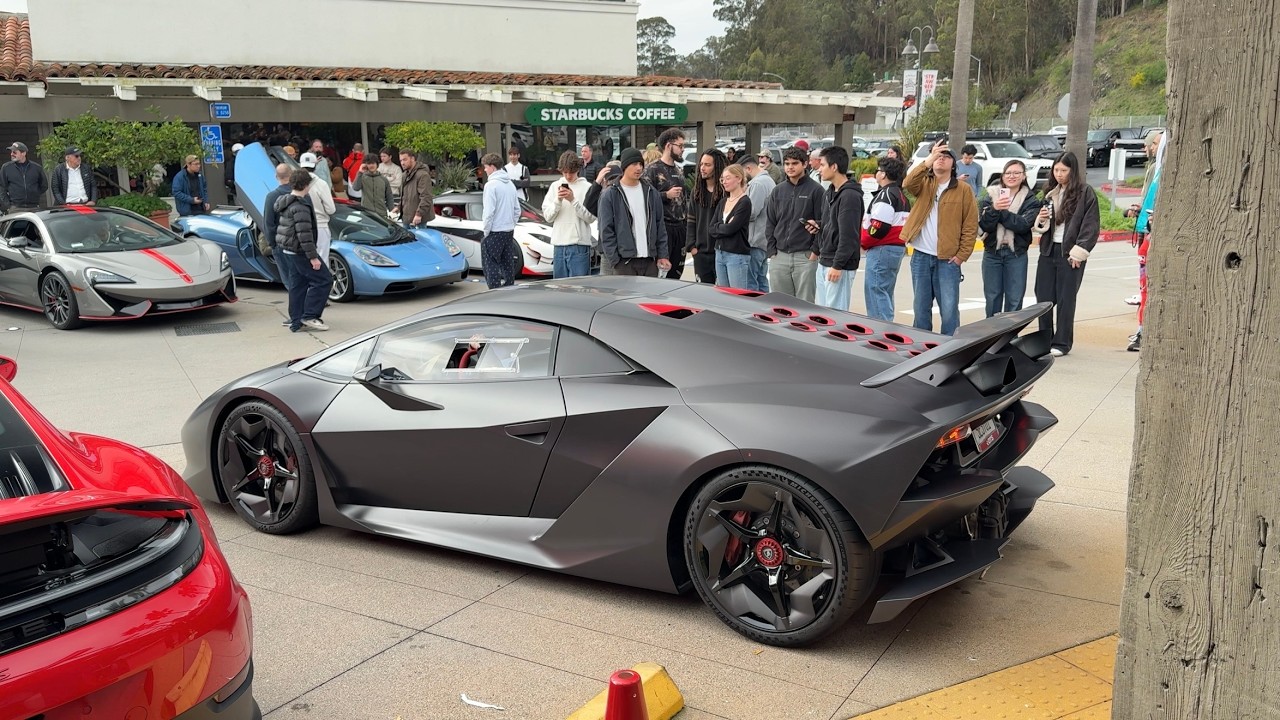
Wekfest is the headline, but the Bay Area's actual heartbeat is quieter and it never stops. Cars and Coffee Livermore, billed as the Tri-Valley's monthly car show, sets up at Republic Square in downtown Livermore, typically Saturday mornings from 9 AM to noon. It's free, family-friendly, and pulls a genuinely mixed crowd: classics parked next to exotics, JDM builds next to muscle cars, with the Tri-Valley's wider footprint (Pleasanton, Dublin, San Ramon, Danville) all feeding into it.
That mix is the point. A lot of car scenes fracture by subculture, JDM people in one corner, muscle car guys in another, exotics somewhere else entirely. The Tri-Valley meet doesn't bother separating them, and that's part of why it's held on as a monthly fixture instead of fading out like a lot of grassroots meets do.
Beyond Livermore, the wider Bay Area calendar runs deep into the triple digits every year between South Bay meets, East Bay gatherings, and San Francisco proper, tracked mostly through regional car meet directories and Instagram accounts rather than one central source. That scattered-but-constant rhythm is very on-brand for a region this large: there's always something happening, you just have to know where to look.
Spota tip: this is exactly the kind of sprawling, multi-meet calendar that a local Bay Area Club can consolidate. Instead of juggling three different Instagram pages to figure out where Saturday's meet actually is, a club feed puts it in one place.
🏔️ The Roads Are Half the Reason This Scene Exists
Car culture doesn't happen in a vacuum, and the Bay Area has geography most cities would kill for. Skyline Boulevard (Highway 35) runs the ridgeline above Silicon Valley with sweeping views and technical curves that have made it a staple canyon run for decades. Highway 9 cuts through the Santa Cruz Mountains with tight, tree-lined switchbacks that punish anyone who doesn't respect them. And Mount Hamilton Road east of San Jose climbs toward Lick Observatory through some of the most isolated, curve-dense pavement in the region.
None of these roads are secret. They show up on every "best driving roads near San Jose" list for a reason. But they're also the reason the Bay Area's car culture skews toward cars that actually get driven, not just parked at a show. A scene with this much elevation change and this many technical roads within a 45-minute radius produces drivers who care about setup, not just stance, even inside a subculture that's famous for exactly the opposite.
Spota tip: always treat canyon runs as parked, legal Photo Op territory, not a place to push limits. The roads that make this scene special get shut down fast when people treat them like a track.
🚗 Why the Bay Area Still Matters More Than Its Size Suggests
The honest read: the Bay Area's car scene punches above its weight because it got a head start most regions never had. Two decades of import culture compounding on itself means the shops here have generational knowledge on Japanese platforms, the photographers understand exactly how to shoot a stanced build, and the events calendar reflects a community that never really stopped building on what came before it. Hellaflush didn't stay a regional joke. It became a permanent fixture in how car culture talks about form versus function, and that conversation started in parking lots in Fremont and San Jose.
If you're building a Garage profile or hunting collectibles anywhere between San Francisco and San Jose, you're playing in the market that set the template a lot of other cities are still following. Show up to a Tri-Valley meet, catch Wekfest in June, and take a slow lap up Highway 9 on a clear day. That's the scene, and it's still writing new chapters.
Related reading: check out why stance culture divides the car scene and browse more city-check-in guides for scenes across the country.
The Bay Area didn't just join car culture's biggest arguments. It started a few of them.