
🔍 The Ad Looks Perfect. That's Exactly the Problem
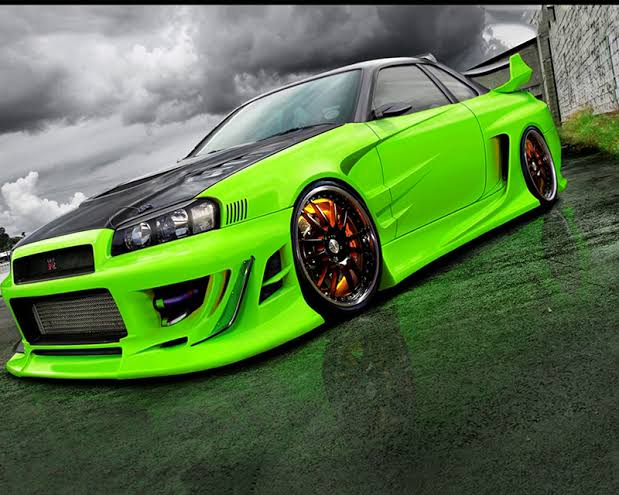
Clean paint. Aftermarket wheels that actually fit. A build thread linked in the description with four years of receipts. Every performance car listing is written to make you fall in love with it before you've seen it in person, and that's the moment people skip the one step that actually protects them.
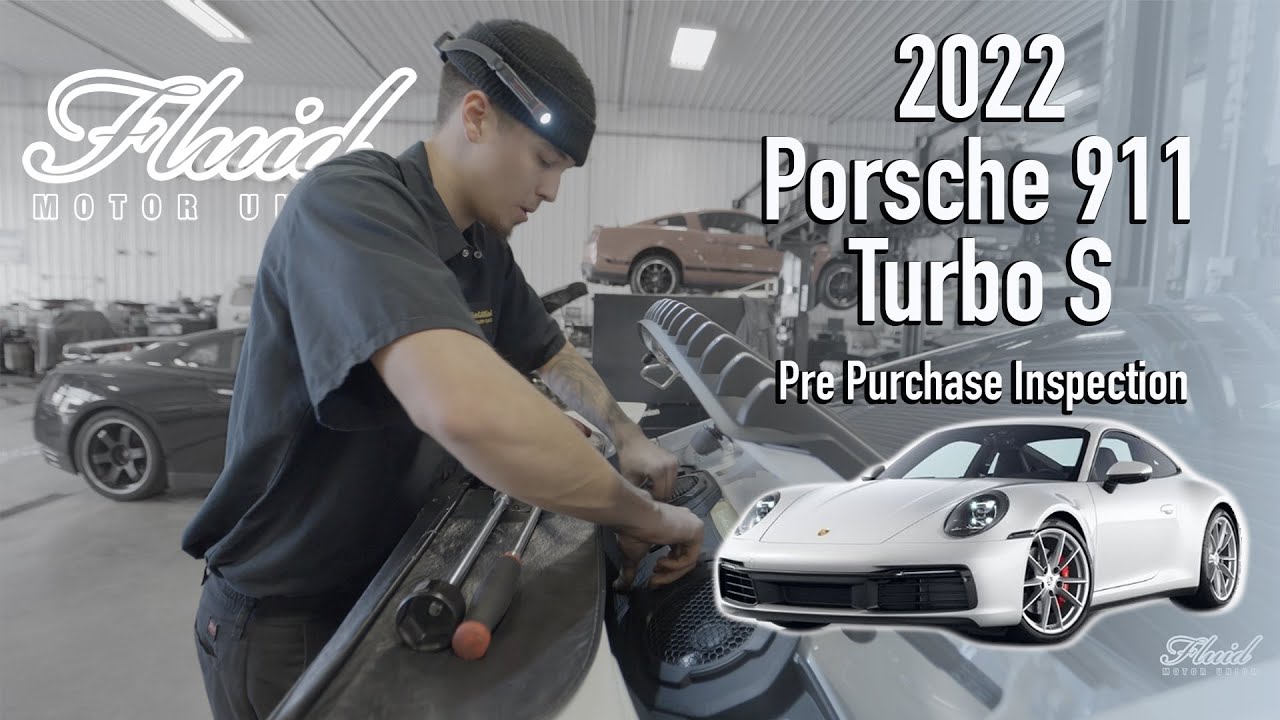
A pre-purchase inspection isn't about being paranoid or insulting the seller. It's about the fact that modified cars get modified by humans, and humans cut corners. A motor that's been beaten on for four years of pulls can look, sound, and even drive fine right up until the day it doesn't. A rebuilt title can be worded so carefully in the ad that you don't clock it until you're reading the title itself. A "fresh clutch" claim means nothing without a receipt.
This is the checklist that catches the stuff a test drive alone won't. Fifteen minutes of doing this right can save you from a five-figure mistake, and it costs you nothing but a Saturday morning.
📄 Start With the Paper Trail, Not the Car
Before you even look at the car, look at what's supposed to prove its history.
- Pull the title yourself. Don't trust a photo the seller sends. Run the VIN through your state's DMV site or a title-check service and confirm it's clean, salvage, rebuilt, or flood, and confirm the seller's name actually matches it.
- Run a vehicle history report. Carfax and similar services won't catch every mod, but they'll flag accidents, odometer rollbacks, and salvage events that a seller conveniently forgot to mention.
- Ask for maintenance and mod receipts, not screenshots. A build thread with photos is a good sign, but photos alone don't prove parts were installed correctly or when they claim. A shop invoice with a date and a torque spec does.
- Check the VIN plate against the door jamb, engine bay, and title. On a swapped or heavily modified car, mismatched VINs or missing plates are a real red flag, not just paperwork sloppiness.
If a seller gets cagey about any of this, that's information too. A legitimate build has paperwork. A car with "everything done right here, just trust me" and no receipts is a car you should assume needs everything redone.
🔧 The Cold Start Test Nobody Skips (Except the People Who Get Burned)
This is the single most important five minutes of the entire inspection, and it's the one step sellers hate the most because it's the hardest one to fake.
Insist on seeing the car started completely cold, meaning the engine hasn't run in at least a few hours. If the seller "already warmed it up for you" before you arrived, that's not hospitality. That's covering for a cold-start rattle, a hard-starting fuel system issue, or a knock that only shows up before the oil's up to temperature.
While it's cold, listen for:
- Any knock, tick, or rattle in the first 10-20 seconds, especially one that fades as RPMs settle. That's often a rod knock or lifter issue trying to hide from you.
- Excessive white or blue smoke on startup. A little condensation vapor on a cold morning is normal. Thick white smoke that lingers, or blue smoke that means burning oil, is not.
- How long it takes to catch and idle smoothly. A modified fuel system or tune that struggles to start clean is telling you something about how it's actually been maintained.
If a seller refuses to let you see a cold start, or the car is already running when you show up "to save time," walk. There's no good reason to hide this step, and the people who insist on it are almost always hiding something.
🛠 Under the Car: Where the Real Truth Lives
Anyone can wipe down an engine bay for photos. Almost nobody details the underside, which is exactly why it's the most honest part of the car.
Get it on ramps or a lift if you can, or at minimum use a flashlight and get down low.
- Check for fresh oil, coolant, or transmission fluid drips anywhere along the underside, not just directly under the engine. A recently "cleaned" undercarriage on an otherwise dirty car is a classic tell that a leak was just wiped down before your visit.
- Look at the exhaust for rust patterns and gasket residue that suggest a leak that's been going on longer than the seller's story.
- Inspect subframe and mounting points for rust-through, especially on cars that have spent winters in salt states. Structural rust is a dealbreaker, not a negotiating point.
- Check suspension bushings and control arms for tears, play, or obvious mismatched aftermarket parts that don't match what the ad claims was installed.
- Look for signs of a frame or unibody repair: fresh undercoating in one specific area, mismatched paint overspray, or weld marks that don't look factory.
Spota tip: if you're checking out a car you found through someone's Garage on the app, ask them to walk you through their own mod timeline before you go look at it in person. A seller who's genuinely proud of a build will usually show you exactly how it evolved, receipts and all, without you having to pull it out of them.
🏎 Drivetrain-Specific Checks That Separate a Real Inspection From a Test Drive
A test drive tells you the car moves. It doesn't tell you how much life is left in the parts doing the work.
Clutch and transmission:
- Have the seller demonstrate the friction point with the car stationary. A friction point that's crept near the top of pedal travel usually means a clutch nearing the end of its life, whatever the seller tells you about "tons of life left."
- Listen for grinding on shifts, especially into reverse, which often points to worn synchros.
- On a modified car running more power than stock, ask directly whether the clutch has been upgraded to match. A stock clutch behind a tune making real extra power is a ticking clock, not a bonus.
Engine and forced induction:
- If it's turbocharged or supercharged, ask for boost gauge readings and whether it's been logged. A seller who can pull up logs on their phone is a seller who actually understands their car.
- Check for oil in the intercooler piping, which can point to turbo seal wear.
- Ask specifically what fuel it's been tuned for and run on. A car tuned for race gas that's been fed pump gas for months is a car that's been living on borrowed time, quietly.
Brakes and tires:
- Uneven tire wear can point to an alignment issue or worse, a bent component from a hit the seller never mentioned.
- Check rotor condition and pad life. Upgraded brakes with worn-out pads still count as worn-out brakes, whatever the parts are behind them.
🚗 The Test Drive: What to Actually Pay Attention To
By the time you're driving it, you've already caught the big stuff. The test drive is where you confirm feel and catch anything left.
- Drive it on a rough road, not just smooth pavement. Suspension noises, rattles, and alignment issues hide well on a freshly paved test loop and show up immediately on anything with texture.
- Brake hard from a moderate speed in a safe spot. Pulling to one side under braking is a real problem, not a quirk.
- Get it up to highway speed if you safely can. Vibrations that only show up at speed, wheel balance issues, and driveline vibration often don't appear in a parking lot.
- Pay attention to how it idles at every stop, not just how it drives. A rough or hunting idle on a modified car often points back to a tune or sensor issue nobody's bothered to chase down.
🚩 Red Flags That Mean Walk Away, No Matter How Good the Price Is
Some issues are negotiable. Some aren't worth the discount.
- A seller who won't allow a cold start or an independent mechanic's inspection. This alone should end the conversation.
- Mismatched VIN plates or a title that doesn't match the paperwork story.
- Structural rust or evidence of a poorly repaired accident.
- A "rebuilt" engine or transmission with zero documentation of who did the work.
- Pressure to decide today, especially paired with "I've got three other people looking at it." A car that's actually right for you will still be right for you tomorrow, after your mechanic's looked at it.
None of these mean the car is definitely bad. They mean you don't have enough information to know, and buying a performance car on hope instead of information is how driveway ornaments get made.
🏁 A Good PPI Costs You an Afternoon. A Bad Purchase Costs You a Year
The cars that turn into money pits almost never fail dramatically on the test drive. They fail quietly, three months later, when the thing nobody checked finally gives out. A real pre-purchase inspection, cold start included, is the cheapest insurance you'll ever buy on a car.
Bring a flashlight, bring a mechanic if you can, and don't let a clean paint job talk you out of checking underneath it.
If the car checks out and you're building your first one, check out our guide on how to choose your first project car without regretting it, or browse how-tos for more before you sign anything.