
🏁 Every Car Club Starts the Same Way. Most End the Same Way Too
Someone posts "who's trying to start a car club?" in a local Facebook group. Fifteen people say yes. Eight show up to the first meet. Three show up to the second. By month four it's a group chat nobody reads.
You've probably watched this happen at least once. Maybe you've been the guy who tried to start it.
The problem was never the idea. Car people want a crew. What kills most clubs is that nobody treats the first ninety days like the actual product. They treat the club like a hangout that organizes itself once enough people say they're interested.
It doesn't. Here's how to actually build one that's still meeting up a year from now.
🎯 Decide What Kind of Club You're Actually Building
"Car club" means five different things depending on who you ask, and skipping this step is why half of them fall apart by meet three: half the members showed up expecting one thing and got another.
Pick a lane before you recruit anyone:
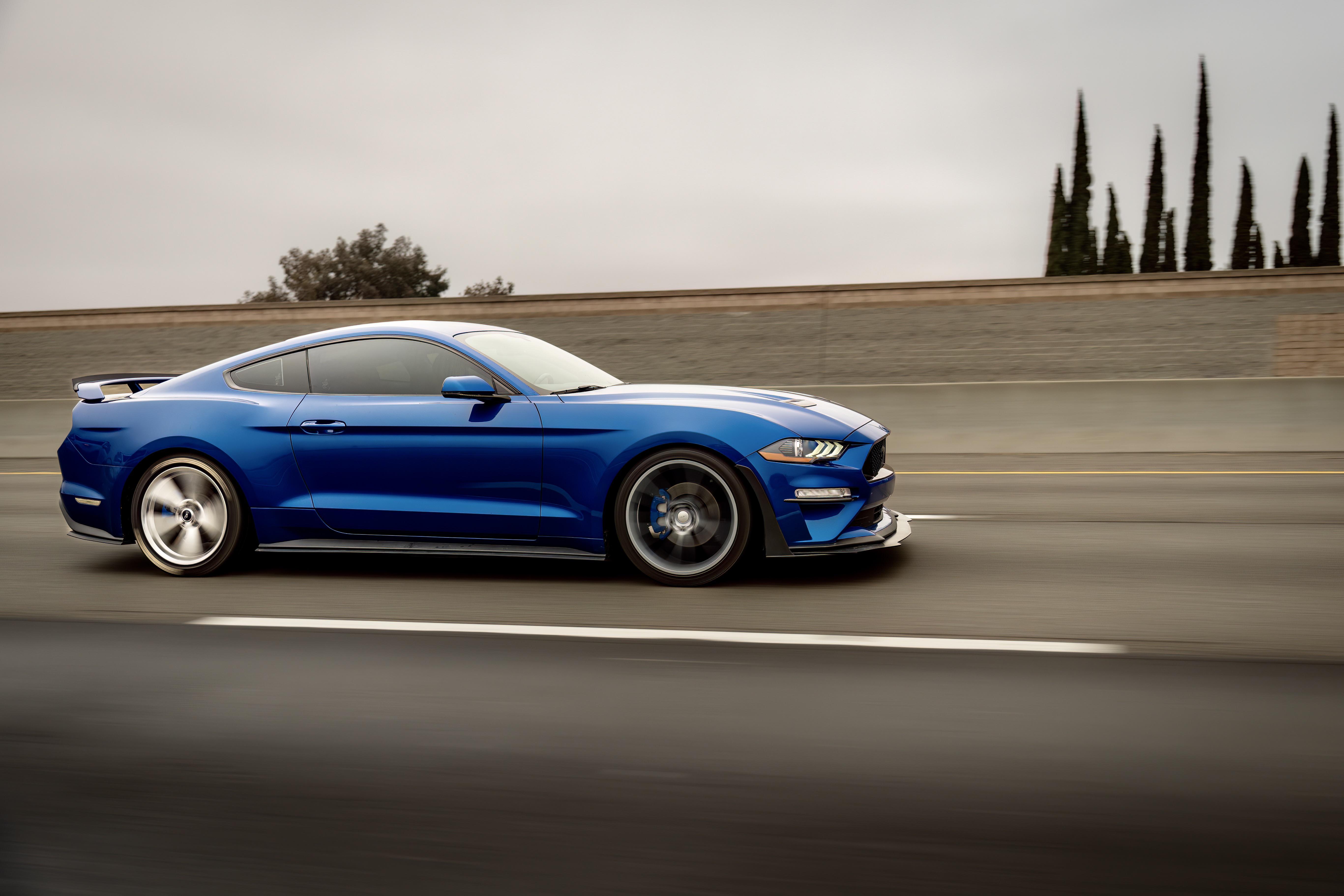
- Marque or model clubs: Miata people, Mustang people, JDM-only, EV-only. Built-in identity, built-in knowledge sharing, easiest to keep focused.
- Local cruise crews: loosely organized around a city or region, weekly or biweekly meetups, low commitment, high turnover. Good starter format.
- Track/performance clubs: organized around HPDE days, autocross, or drag events. Higher barrier to entry, but members who join tend to stay because there's a shared goal, not just a shared hobby.
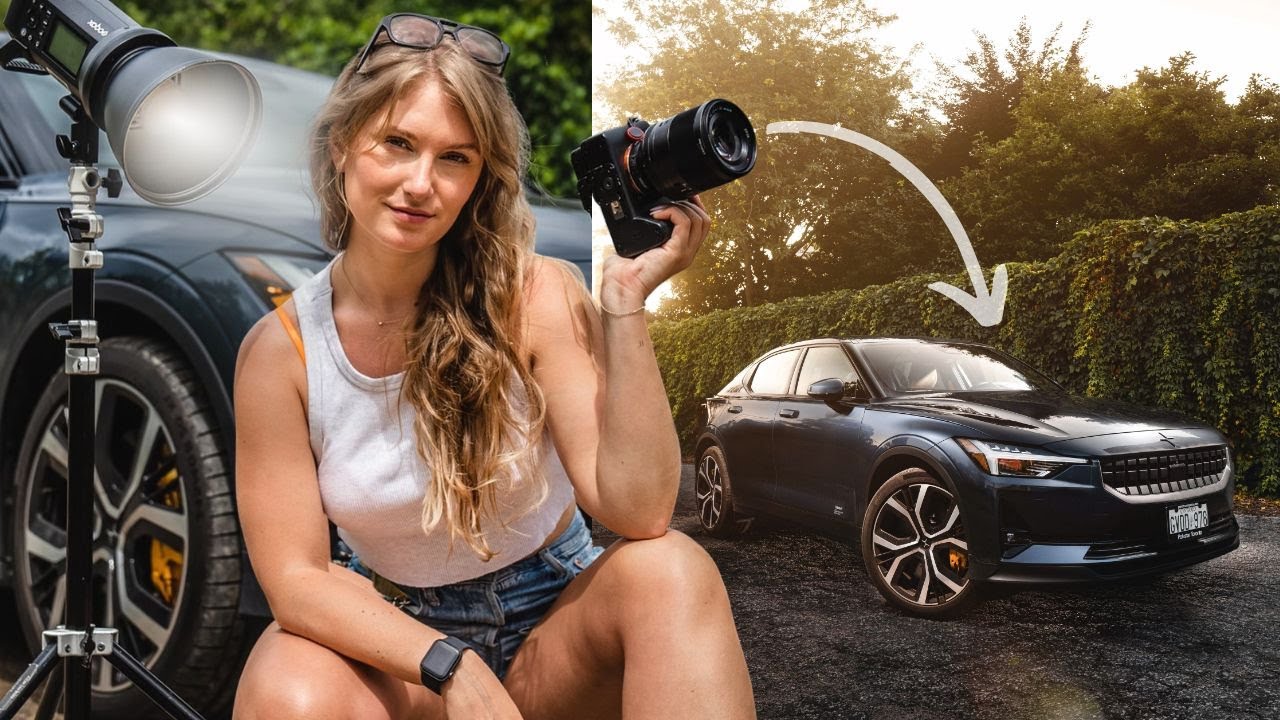
- Photography-forward crews: car people and car photographers who organize shoots together. Different rhythm than a meet-up club: fewer people, more planning per event.
- Build-focused crews: centered on active projects, garage nights, wrenching together. Smallest and most durable of the five because the club has a reason to exist even when nobody's driving anywhere.
The narrower the identity, the easier the club is to keep alive. "Cars and coffee for everyone" sounds inclusive but it's actually the hardest version to sustain, because nobody feels ownership over something that broad.
🪧 Naming and Identity Isn't Vanity, It's Retention
A club with no name, no logo, and no consistent meeting spot is just a group chat that happens to talk about cars. People don't show up for group chats. They show up for things that feel like they belong to something.
You don't need a designer or a budget. You need three things nailed down before the first meet:
- A name that says what the club is, not just "[City] Car Club." Specificity signals identity. "Midwest Rotary Collective" tells you exactly who's welcome. "Chicago Car Club" tells you nothing.
- One consistent meeting location and cadence. Same lot, same night of the week or month, every time. Inconsistent locations are the single biggest silent killer of new clubs, because people stop bothering to check.
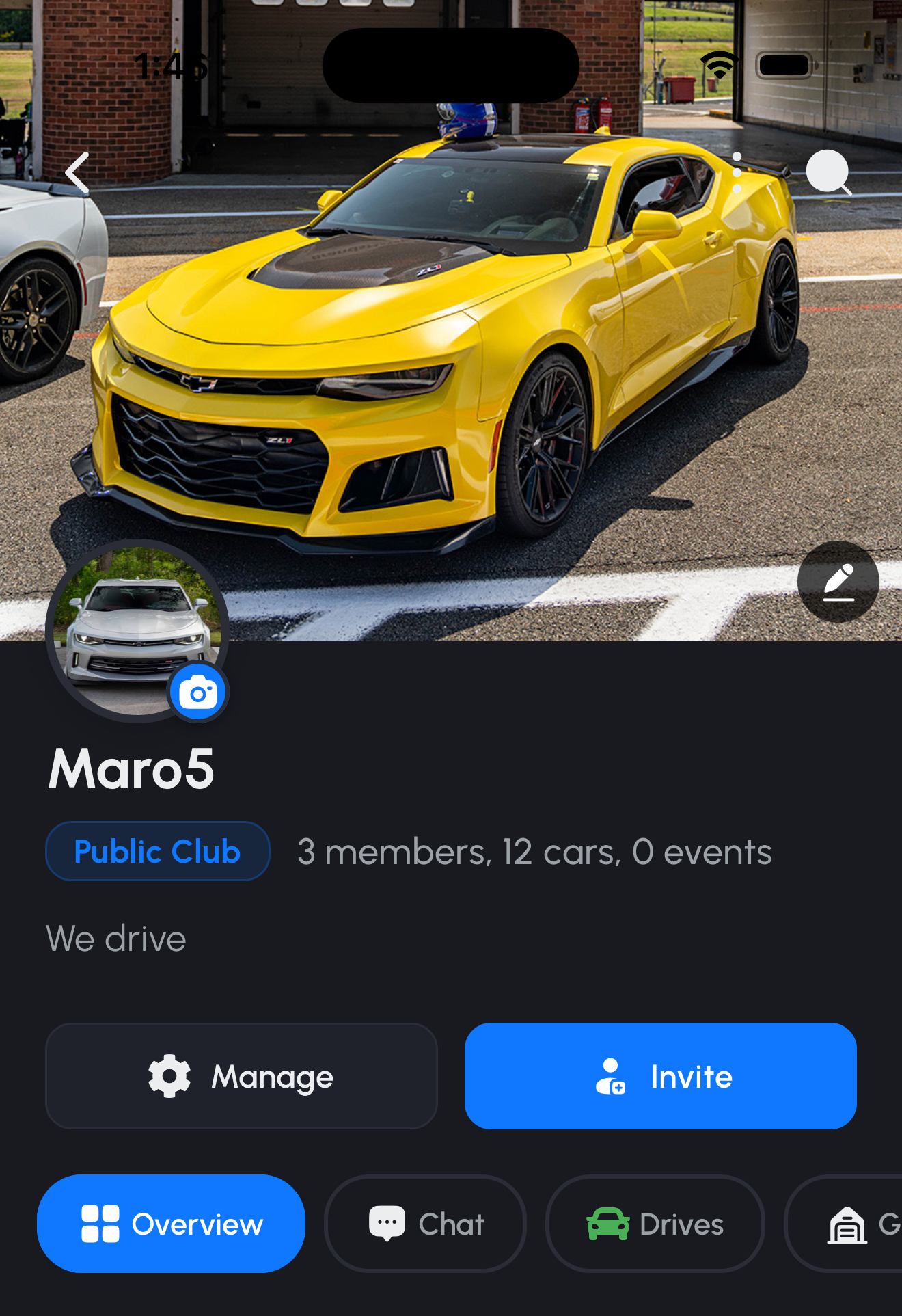
- One place people actually check. Not five platforms. Pick a group chat or a Spota Club page and make it the source of truth. Splitting coordination across Discord, a Facebook group, and a group text guarantees half your members miss every update.
📋 The First Meet Is a Test, Not a Party
Your first meet isn't the club, it's the audition. Treat it like a pilot episode: tight, clear, and over before people get bored.
- Cap the first meet at 90 minutes. Long, aimless meets exhaust the exact people you want to keep, the ones with actual builds and actual schedules.
- Have one thing on the agenda. A specific topic (best mod under $500, next event planning, who's tracking their car this season), a specific activity, or a specific destination. "Just hang out" works for group four, not group one.
- Get contact info before people leave, not after. Most no-shows to meet two happen because nobody actually captured who showed up to meet one.
- Follow up within 48 hours. Photos, a quick recap, a date for next time. Momentum dies in silence.
🧱 Structure Beats Vibes, Even for a Casual Crew
You don't need bylaws to keep a car club alive, but you do need a few decisions made in advance so they don't turn into arguments later.
- Who's actually organizing? One person or a small core team, not a leaderless group where everyone assumes someone else is handling logistics. Leaderless clubs stall out the moment the original hype fades.
- What's the entry bar, if any? Some clubs are open to anyone who shows up. Others want a build in progress, a specific make, or an invite from an existing member. Neither is wrong, but decide before someone asks and you're improvising an answer in the group chat.
- How do you handle the meet-shutdown problem? Big, unpermitted gatherings in parking lots draw complaints and cops fast. Smaller, more frequent meets in venues that welcome you (car-friendly restaurants, dealerships happy for the foot traffic, private lots with permission) last a lot longer than one big monthly spectacle that eventually gets shut down.
- What happens when someone's disruptive? Revving through residential streets, burnouts in a shared lot, reckless driving on the way out. One bad night can get a whole club banned from a location. Decide the ground rules up front and enforce them, even if it's uncomfortable.
📈 Growing Without Losing What Made It Good
The second real danger point (after month one) is month six, when a small tight crew suddenly has an opportunity to double in size. Growing too fast dilutes the exact culture that made people want to join.
- Grow through vouching, not open blasts. Members bringing friends who already fit the vibe keeps quality control built in.
- Protect the core ritual. If your thing is a Thursday night lot meet, don't let it balloon into something unrecognizable just because more people showed up. Add a second event type instead of stretching the original past what made it work.
- Give members something to do, not just something to attend. Photo lead, event planner, the person who handles the venue relationship. Clubs with distributed ownership survive leadership burnout. Clubs that depend on one person to run everything usually die when that person gets busy.
A Spota tip here: running a club on a Spota Club page instead of a scattered group chat keeps the meeting schedule, member list, and event history in one place new members can actually find, and it makes it easy for people scrolling their city's map to discover you're active and join in.
🕰 The Real Test Is Month Twelve
Anyone can throw a good first meet. The clubs that matter are the ones still rolling a year later, the ones with an actual history: inside jokes, a build that got finished with the group's help, a member who met their business partner at a meet.
That doesn't happen by accident. It happens because someone treated the boring parts, consistent location, real follow-up, clear structure, as seriously as the fun parts.
Start narrow. Show up on time. Follow up every time. That's the whole playbook, and almost nobody actually does it, which is exactly why the clubs that do stand out.
If you're building your own garage and looking for people to build alongside, check out how to find car enthusiasts nearby or read how Clubs work on Spota to see how existing crews are organizing today.