
☔ Portland Doesn't Wait for Good Weather to Show Up
Every car city has a personality. Miami flexes. Detroit remembers. Portland just shows up, every single Saturday, rain or shine, because the rain almost never stops long enough to wait for.
That's the thing outsiders get wrong about the Pacific Northwest car scene. They assume the weather kills it. It doesn't. It filters it. The people who still roll out at 8am in a light drizzle to stand around a parking lot drinking coffee and staring at someone's fender aren't doing it for the Instagram lighting. They're doing it because they actually love cars, and that's baked into everything about how Portland's scene operates: less chrome, less ego, more substance.
This isn't a cruise-and-be-seen city like Miami or a muscle-heritage story like Detroit. Portland's identity is JDM-heavy, DIY-minded, and quietly one of the most durable import scenes in the country, for reasons that start with the weather and end up somewhere much bigger.
Let's get into what's actually happening.
🌧️ Why the Rain Made Portland an Import Stronghold
Here's the part that sounds like a myth until you actually think about it: Oregon and Washington don't salt their roads the way the Midwest and Northeast do. Winters here are wet, not icy in the same corrosive way, so the road de-icing chemicals that eat through rocker panels and subframes across the Rust Belt barely factor into the equation.
That single fact has quietly shaped decades of car culture here. A 20-year-old Japanese import that would be a rust bucket in Ohio can still be clean, straight, and rust-free in Portland. Collectors and importers know it. So do the people flipping 25-year-rule imports the moment they become legal to bring in. Portland and the broader Pacific Northwest have become a landing zone for exactly the kind of clean, unmolested JDM metal that's getting harder to find anywhere else in the country.
Combine that with a climate that rewards all-wheel drive (this is Subaru and Rally America country for a reason) and you get a scene that leans heavily import, heavily function-first, and genuinely allergic to anything that looks like a trailer queen.
Spota tip: if you're chasing clean, rust-free imports for your own Garage, the Pacific Northwest is one of the most underrated hunting grounds in the country. Worth a Playlist detour if you're ever in the region.
☕ The Cars & Coffee Circuit That Never Cancels
Portland's meet scene runs on a rotation, not a single flagship event, and that's part of the culture. There's no one meet that defines the city. Instead there's a weekly grind spread across the metro:
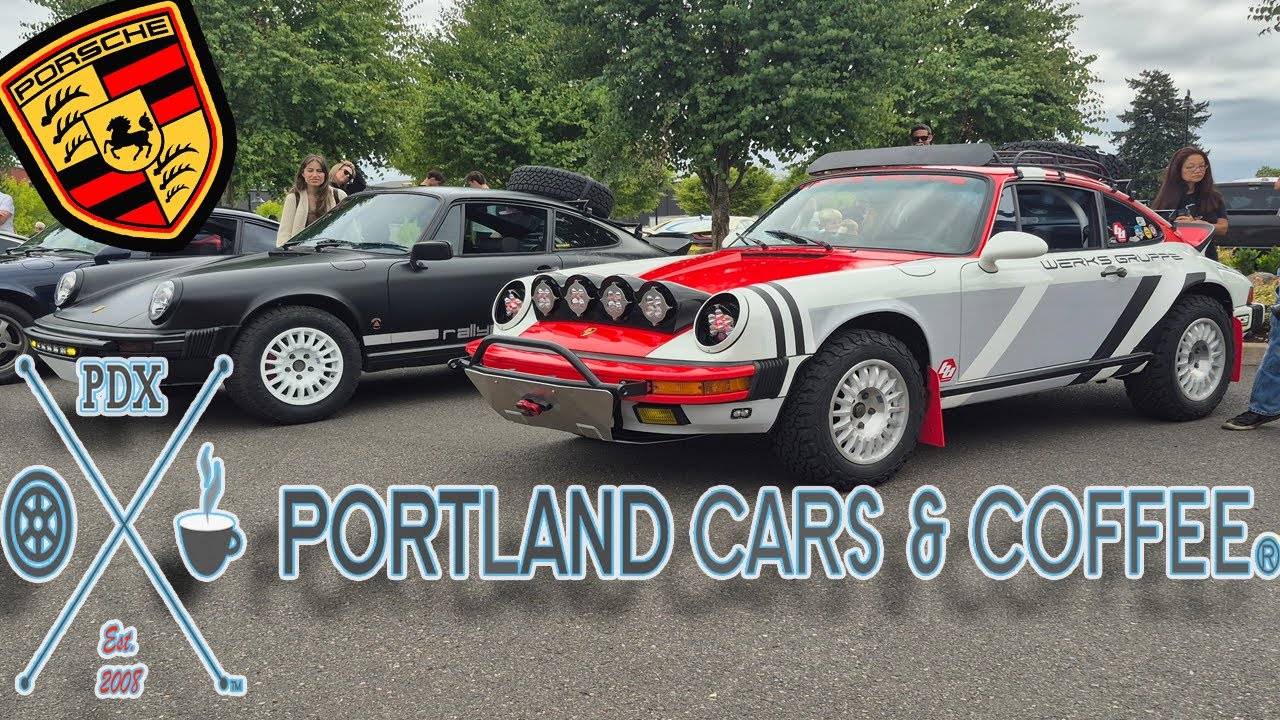
- Portland Cars & Coffee, which gathers Saturday mornings at Langer's Entertainment Center in Sherwood, southwest of the city.
- Cascade Cars and Coffee, posted up near Cascade Station by the airport, pulling from the east side and the airport-adjacent industrial crowd.
- A wider calendar of smaller meets and cruise-ins tracked by Oregon Car Culture, the community hub that's become the de facto events board for everything from small-town cruise-ins in Stayton and Dallas to full car shows further out in the valley.
None of it has the velvet-rope energy of a big coastal meet. Show up, park where you're told, talk to whoever's standing next to your car. That's the whole format, and it's exactly why the scene has stayed healthy for as long as it has. Nobody's gatekeeping a meet that happens in a parking lot in the rain.
Spota tip: if you're new to a meet-heavy scene like this one, prepping properly before your first car meet makes the whole thing less intimidating, and a Club is the fastest way to find your regular crew instead of showing up solo every week.
🏁 Portland International Raceway: 60-Plus Years of Actual Racing History
If Portland's meet scene is the culture, Portland International Raceway is the backbone. The track opened in June 1961, built on the site of the old city of Vanport, which had been wiped out by a catastrophic flood in 1948. Early races literally ran on the leftover street grid, potholes, foundations, and all, before the circuit was properly paved through the 1970s to meet modern sanctioning standards.
From there it became a genuine open-wheel institution. CART and Champ Car raced there from 1984 to 2007, and the track is still remembered for hosting two of the closest finishes in Indy car history, including Mario Andretti beating his own son Michael by 0.070 seconds in 1986. IndyCar itself has kept coming back, and this August the series ran the OnlyBulls Grand Prix of Portland right there at PIR, keeping a 40-plus-year relationship with open-wheel racing alive in the city.
But PIR isn't just a pro-series stop. It's a working track for the local scene: SCCA and ICSCC road racing, autocross days, OMRRA motorcycle racing, a drag strip, and community cruise-ins like Hot Summer Nights that turn the paddock into a full car show after hours. If you're a Portland enthusiast who wants actual seat time instead of just standing around admiring other people's cars, PIR is where that happens.
🏎️ Woodburn Dragstrip Keeps the Quarter-Mile Alive South of the City
About 30 miles south of Portland, Woodburn Dragstrip has been running straight-line racing for decades, and it's still a serious stop on the national calendar. NHRA's Lucas Oil Series ran its 49th annual event there this year, drawing sportsman racers from across the region for a multi-day meet that's as much a reunion as a competition.
It's a different energy than PIR's road course, more grassroots, more working-class drag culture, but it's the same underlying thing: Portland-area enthusiasts who'd rather be doing something with their car than just photographing it.
🔧 Function Over Flash, Every Time
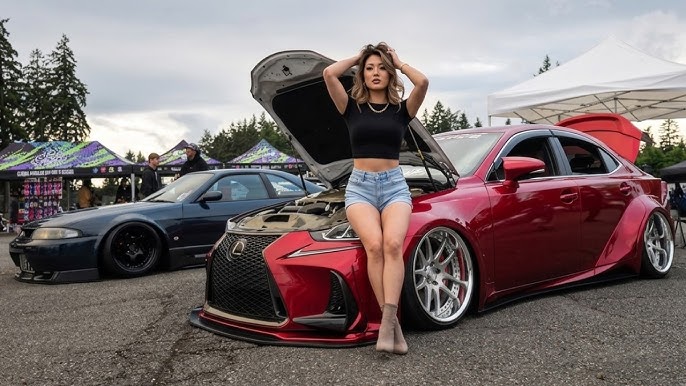
Ask anyone who's spent real time in Portland's scene what separates it from LA or Miami, and you'll get some version of the same answer: nobody here is building a car purely to be looked at. The city's broader "keep Portland weird" streak shows up in the builds too. DIY swaps over shop-bought perfection. Function-first mods over show-car polish. A genuine soft spot for the unglamorous stuff: rally-inspired Subarus, well-sorted Hondas, imports that have clearly been driven hard in weather that would make a show car owner nervous.
That ethos connects directly to one of the oldest debates in car culture, and Portland's scene tends to land firmly on one side of it. If you want the full breakdown of why that fight never actually ends, why import vs. domestic is car culture's oldest rivalry is worth the read, and if you're wondering why so many of the imports rolling through Oregon right now are only just legally landing in the US, the 25-year import rule explains the whole pipeline.
And for the rust question that hangs over every used-import purchase, no matter how clean the seller claims it is, why rust is every car guy's worst nightmare is the piece to actually check the car against before you buy.
🚗 The Bottom Line
Portland isn't trying to be the loudest car city in the country, and that's exactly the point. It's a scene built on people who show up in the rain because they actually care, a track with more real racing history than most cities twice its size, and an import culture that's been quietly stockpiling some of the cleanest JDM metal left in America. No hype required. Just get there before everyone else figures it out.