
🚗 The Eternal Meme
You've seen it. You've laughed at it. You've probably experienced it.
BMW driver cuts you off. No turn signal.
BMW driver changes lanes. No turn signal.
BMW driver turns left. No turn signal.
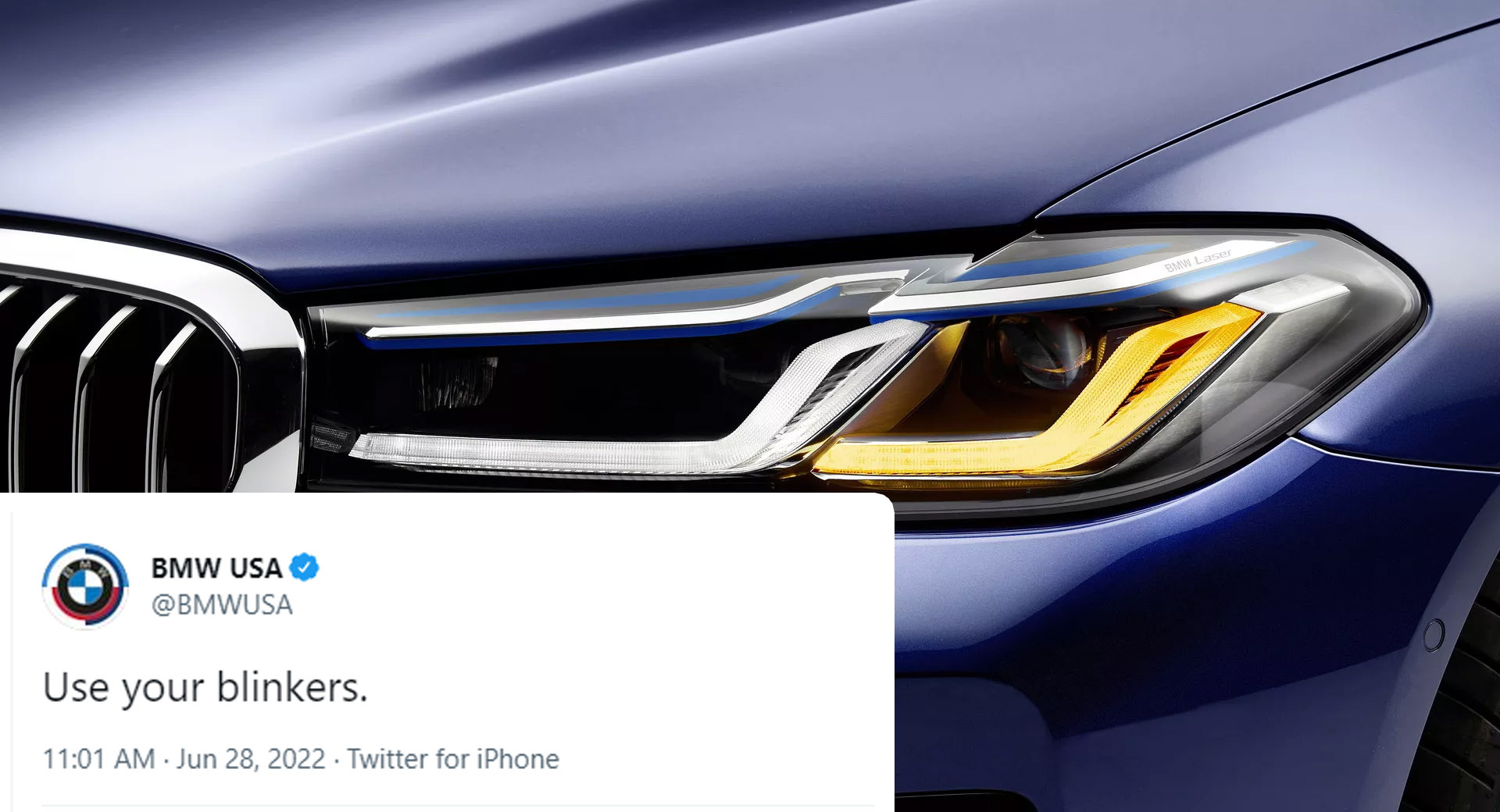
It's one of car culture's most persistent memes: the BMW driver who treats turn signals like they're optional equipment that didn't come with the car.
But is it real? Is there actual data? Or is it just confirmation bias and internet jokes?
The answer is complicated. Because while the stereotype is definitely exaggerated, there's some truth behind the meme. And understanding why requires diving into psychology, culture, economics, and even the cars themselves.
Let's explore the real reasons BMW drivers (allegedly) don't use turn signals, and what it says about car culture, stereotypes, and human behavior.
📊 The Data: Is It Actually True?
What Studies Say
Research is mixed:
- Some studies show BMW drivers use turn signals less frequently than average
- Other studies find no significant difference between brands
- Most data is anecdotal rather than scientific
- Confirmation bias likely amplifies the perception
But here's what we know: The stereotype exists for a reason, even if the data isn't definitive.
The Confirmation Bias Problem
Humans notice patterns:
- When a BMW doesn't signal, we remember it
- When a Toyota doesn't signal, we forget it
- We actively look for BMWs not signaling
- We ignore other brands doing the same thing
This creates a self-reinforcing perception, even if reality is more nuanced.
The Meme Amplification
Internet culture magnifies stereotypes:
- Memes spread the idea
- Social media reinforces it
- Jokes become "common knowledge"
- Perception becomes "reality"
The meme is definitely real. Whether the behavior is more common among BMW drivers? That's debatable.
🧠 The Psychology: Why People Skip Signals
The "I'm Important" Factor
Some drivers feel entitled:
- "I'm in a nice car, I don't need to signal"
- "Other drivers should just know what I'm doing"
- "Signaling is for peasants"
- "I'm too important to follow basic rules"
This isn't exclusive to BMW drivers, but luxury car ownership can amplify entitlement.
The "I'm Invisible" Factor
Some drivers feel anonymous:
- "No one knows who I am"
- "I'll never see these people again"
- "There are no consequences"
- "I can do whatever I want"
Luxury cars can create a sense of anonymity, like wearing a mask.
The "I'm Better" Factor
Some drivers feel superior:
- "I'm a better driver than everyone"
- "I don't need signals, I'm skilled"
- "Signals are for bad drivers"
- "I know what I'm doing"
Overconfidence leads to risky behavior, and skipping signals.
The "It's Optional" Factor
Some drivers see signals as suggestions:
- "It's not that important"
- "Everyone does it"
- "It's just a minor thing"
- "No one really cares"
When signals feel optional, they get skipped.
💰 The Economics: Who Buys BMWs?
The Demographics
BMW buyers tend to be:
- Higher income: Luxury car = more money
- Younger professionals: Status symbol for success
- Urban/suburban: More traffic = more opportunities to skip signals
- Status-conscious: Car as identity marker
These demographics correlate with certain driving behaviors, but correlation isn't causation.
The "New Money" Factor
Some BMW owners are newly successful:
- First luxury car
- Proving something
- Overcompensating
- Showing off
New money can lead to aggressive driving, including skipping signals.
The "Lease Culture" Factor
Many BMWs are leased:
- Short-term ownership
- Less investment in the car
- "It's not really mine"
- Less care about maintenance/behavior
Lease culture might create less responsible driving habits.
The "Status Symbol" Factor
BMW as identity:
- Car defines the person
- Driving style matches brand image
- "I drive a BMW, I'm important"
- Aggressive = confident
When a car is a status symbol, driving becomes performance.
🏎️ The Brand Image: What BMW Represents
The "Ultimate Driving Machine"
BMW's marketing emphasizes:
- Performance
- Precision
- Control
- Dominance
This messaging can influence driving behavior, including the perception that signals are "unnecessary."
The "Sporty" Factor
BMW = sporty driving:
- Aggressive acceleration
- Quick lane changes
- Confident maneuvering
- "Sporty" = less signaling?
Sporty driving culture sometimes conflicts with defensive driving habits.
The "Luxury" Factor
Luxury = privilege:
- Premium experience
- Special treatment
- Rules don't apply
- Entitlement
Luxury branding can create entitlement in driving behavior.
The "German Engineering" Factor
German cars = precision:
- "I don't need signals, my car is perfect"
- "German engineering = I'm always right"
- "Precision driving = no signals needed"
Brand perception influences driver behavior.
🔧 The Technical: Do BMW Signals Work?
The "Expensive to Fix" Theory
BMW turn signals are expensive:
- Bulb replacement costs more
- Labor costs are higher
- "I'll fix it later" becomes "never"
- Broken signals = can't use them
This is partially true, though most BMWs have working signals.
The "Complicated" Theory
BMW signals are harder to use:
- Stalk placement is different
- Reset mechanisms are complex
- "I don't know how to use them"
- "They're too complicated"
This is mostly false. BMW signals work like everyone else's.
The "They Break Often" Theory
BMW signals break more:
- More complex systems
- More things to go wrong
- Higher failure rates
- "Mine are broken"
This is anecdotal. No data supports it.
The "Hidden" Theory
BMW signals are less visible:
- Design prioritizes aesthetics
- Signals blend into bodywork
- Less obvious when activated
- "People can't see them anyway"
This is partially true. Some BMW designs make signals less prominent.
🎭 The Culture: Car Community Perceptions
The Meme Culture
Internet memes create reality:
- Jokes become "facts"
- Stereotypes become "truth"
- Perception becomes behavior
- Memes influence driving
Meme culture can actually influence behavior. People play into stereotypes.
The "Own the Stereotype" Factor
Some BMW drivers embrace it:
- "Yeah, I don't signal, so what?"
- "It's funny"
- "I'm living the meme"
- "It's part of the brand"
When stereotypes become identity, people perform them.
The Car Community
Car people know the meme:
- It's discussed at meets
- It's joked about online
- It's part of car culture
- It's self-reinforcing
Car community keeps the meme alive.
The "Us vs. Them" Factor
BMW drivers vs. everyone else:
- Brand loyalty creates tribalism
- "We're different"
- "We don't follow your rules"
- "We're special"
Tribalism can lead to rule-breaking as identity.
🚦 The Safety: Why Signals Matter
Communication is Key
Turn signals communicate intent:
- They tell other drivers what you're doing
- They prevent accidents
- They create predictability
- They reduce confusion
Signals are communication. Skipping them is like refusing to talk.
The Accident Risk
No signals = higher accident risk:
- Other drivers can't anticipate moves
- Sudden lane changes surprise people
- Rear-end collisions increase
- Side-swipe accidents happen
Skipping signals directly increases accident probability.
The Legal Consequences
No signals = tickets:
- It's illegal in all states
- Police can and do ticket for it
- Insurance rates increase
- Points on license
Skipping signals has real legal consequences.
The Courtesy Factor
Signals are basic courtesy:
- They show respect for other drivers
- They make roads safer for everyone
- They're the minimum expected behavior
- They're part of being a good driver
Signals are respect. Skipping them is disrespectful.
🎯 The Real Reasons: What's Actually Happening
Reason 1: Entitlement
Some BMW drivers feel entitled:
- Luxury car = special treatment
- "Rules don't apply to me"
- "I'm more important"
- "I don't need to signal"
Entitlement is a real factor, but not exclusive to BMW drivers.
Reason 2: Overconfidence
Some BMW drivers are overconfident:
- "I'm a great driver"
- "I don't need signals"
- "I know what I'm doing"
- "Signals are for bad drivers"
Overconfidence leads to risky behavior.
Reason 3: Distraction
Some BMW drivers are distracted:
- Phone use
- Infotainment systems
- Navigation
- Just not thinking about it
Distraction affects all drivers, but luxury cars have more distractions.
Reason 4: Habit
Some BMW drivers just don't form the habit:
- Never learned properly
- Never enforced
- Just forget
- It's not automatic
Habit formation is key, and some people never form it.
Reason 5: The Meme Effect
Some BMW drivers play into the meme:
- "It's funny"
- "It's expected"
- "I'm living the stereotype"
- "It's part of the brand"
Meme culture can influence actual behavior.
🌍 The Global Perspective: Is It Just America?
European BMW Drivers
In Europe, BMW drivers signal more:
- Stricter enforcement
- Higher fines
- Different culture
- Better driver education
Enforcement makes a difference.
Asian Markets
In Asia, behavior varies:
- Some countries strict enforcement
- Others more lenient
- Cultural factors matter
- Economic factors matter
Culture and enforcement both matter.
The American Factor
America has unique factors:
- Less strict enforcement
- Lower fines
- Car culture emphasis
- Status symbol importance
American car culture might amplify the behavior.
📱 The Social Media: How Memes Spread
TikTok and Instagram
Social media amplifies stereotypes:
- Viral videos of BMWs not signaling
- Memes get millions of views
- Perception becomes "reality"
- Behavior gets reinforced
Social media spreads and reinforces the meme.
Car Community Platforms
Car forums and groups:
- Jokes about BMW drivers
- Stories shared
- Stereotypes reinforced
- Culture created
Car community keeps stereotypes alive.
The Feedback Loop
Memes create behavior:
- People see the meme
- They expect the behavior
- They notice it more
- They perform it themselves
Feedback loops can create self-fulfilling prophecies.
🎓 The Education: Driver Training Matters
Driver's Ed Quality
Driver education varies:
- Some programs emphasize signals
- Others don't enforce it
- Quality varies by state
- Some people skip training
Education quality affects driving habits.
Parental Influence
Parents model behavior:
- If parents don't signal, kids don't
- Habits form early
- Modeling matters
- Enforcement matters
Parental modeling shapes driving behavior.
The "Advanced Driver" Myth
Some think signals are for beginners:
- "I'm advanced, I don't need them"
- "Signals are for new drivers"
- "I'm skilled enough"
- "I know what I'm doing"
Misconception that skill = no signals needed.
🚗 The Car-Specific: Do BMWs Make It Harder?
Stalk Design
BMW stalks are different:
- Some models have unique placement
- Reset mechanisms vary
- Some feel "sticky"
- Some require more force
Design differences might affect usage, but it's minor.
Indicator Sounds
BMW indicator sounds:
- Some are quieter
- Some are less noticeable
- Easy to forget they're on
- Easy to not notice they're off
Audio feedback might affect signal usage.
Auto-Reset Features
Some BMWs auto-reset:
- Signals turn off automatically
- Some drivers rely on this
- When it doesn't work, they forget
- Creates dependency
Auto-reset can create dependency and forgetfulness.
The "Lane Change Assist" Factor
Modern BMWs have assist features:
- Blind spot monitoring
- Lane change warnings
- Some drivers rely on tech
- "The car will warn me"
Technology reliance can reduce signal usage.
🎪 The Performance: Living the Stereotype
The "I'm That Guy" Factor
Some drivers embrace it:
- "Yeah, I'm that BMW driver"
- "I don't signal, deal with it"
- "It's part of who I am"
- "I'm living the meme"
Identity performance can drive behavior.
The Social Proof
If everyone expects it:
- People perform expected behavior
- Stereotypes become self-fulfilling
- Social pressure creates behavior
- "I'm supposed to not signal"
Social expectations influence behavior.
The Brand Loyalty
BMW owners are loyal:
- Strong brand identity
- "We're different"
- "We don't follow rules"
- "We're special"
Brand loyalty can create tribal behavior.
🛡️ The Defense: What BMW Drivers Say
"It's Not Just Us"
BMW drivers point out:
- "Everyone does it"
- "Other brands do it too"
- "It's not exclusive to BMW"
- "You just notice us more"
This is partially true, but doesn't address the stereotype.
"It's Confirmation Bias"
BMW drivers argue:
- "You look for it"
- "You remember when we don't"
- "You forget when others don't"
- "It's not real"
Confirmation bias is real, but doesn't explain everything.
"My Signals Work"
BMW drivers insist:
- "I use my signals"
- "Not all of us are like that"
- "I'm a good driver"
- "Don't generalize"
Individual responsibility matters, but stereotypes exist for reasons.
"It's Just a Meme"
BMW drivers dismiss it:
- "It's just internet jokes"
- "It's not serious"
- "It's harmless"
- "Don't take it seriously"
But memes can influence behavior, and safety matters.
🎯 The Solutions: How to Fix It
Education and Awareness
Teach proper signaling:
- Emphasize in driver's ed
- Remind in licensing
- Public service campaigns
- Car community education
Education can change behavior.
Enforcement
Strict enforcement works:
- Ticket for no signals
- Higher fines
- Points on license
- Insurance consequences
Enforcement creates consequences and changes behavior.
Technology Solutions
Modern tech can help:
- Lane change reminders
- Automatic signaling (future)
- Driver monitoring
- Feedback systems
Technology can assist or enforce proper signaling.
Cultural Change
Change the culture:
- Car community leadership
- Positive reinforcement
- Make signaling "cool"
- Shift perceptions
Culture change requires community effort.
🏁 The Car Community: Our Responsibility
Setting Examples
Car enthusiasts should lead:
- Use signals always
- Call out bad behavior
- Set positive examples
- Educate others
Car community can influence behavior positively.
The Spota Community
Spota users can help:
- Share safe driving tips
- Organize responsible meets
- Promote good habits
- Build positive culture
Technology platforms can promote safe driving.
Breaking Stereotypes
Challenge the meme:
- Don't play into stereotypes
- Use signals always
- Be a good driver
- Change perceptions
Individual actions can change stereotypes.
📊 The Statistics: What We Actually Know
Insurance Data
Insurance companies track behavior:
- Some data suggests BMW drivers file more claims
- But data is mixed
- Many factors involved
- Not definitive proof
Insurance data is inconclusive.
Traffic Violation Data
Traffic tickets by brand:
- Hard to get comprehensive data
- Varies by region
- Many factors involved
- Not clear patterns
Traffic data doesn't definitively support the stereotype.
The Anecdotal Evidence
Everyone has stories:
- Personal experiences
- Friend's experiences
- Viral videos
- Memes
Anecdotal evidence is strong but not scientific.
🎭 The Humor: Why We Love the Meme
It's Relatable
Everyone has experienced it:
- We've all been cut off
- We've all seen it
- It's universal
- It's funny
Relatability makes memes stick.
It's Harmless (Mostly)
It's just a joke:
- No one gets hurt
- It's lighthearted
- It's car culture
- It's fun
Humor makes stereotypes palatable.
It's Community
Car people bond over it:
- Shared experiences
- Inside jokes
- Community building
- Culture creation
Memes create community.
🚦 The Bottom Line
The "BMW drivers don't use turn signals" meme is partially true, mostly exaggerated, and definitely persistent.
Real factors include:
- Entitlement and overconfidence
- Brand image and culture
- Confirmation bias and memes
- Economic and demographic factors
- Habit formation and education
But the truth is:
- Not all BMW drivers skip signals
- Other brands do it too
- Confirmation bias amplifies perception
- Memes influence behavior
- Safety matters regardless
The solution:
- Education and awareness
- Enforcement and consequences
- Cultural change
- Individual responsibility
- Community leadership
Because at the end of the day, turn signals aren't optional. They're essential communication that keeps everyone safe.
And whether you drive a BMW, a Toyota, or anything else, using your signals is just good driving.
Because the best drivers aren't the ones who skip signals to prove something. They're the ones who use them to keep everyone safe.
❓ FAQs
Do BMW drivers actually not use turn signals more than other drivers?
Data is mixed. Some studies suggest slightly higher rates, but confirmation bias likely amplifies the perception. The stereotype exists, but it's probably exaggerated.
Why do people think BMW drivers don't use turn signals?
The meme is self-reinforcing. People notice when BMWs don't signal, remember it, and share it. Social media amplifies the stereotype, making it seem more common than it might actually be.
Is it illegal to not use turn signals?
Yes, in all US states, failing to use turn signals when required is illegal and can result in tickets, fines, and points on your license.
Do BMW turn signals break more often?
There's no definitive data supporting this. Some BMW owners report higher maintenance costs, but signal failure rates aren't significantly different from other brands.
Why would someone not use turn signals?
Reasons include entitlement, overconfidence, distraction, habit formation, playing into stereotypes, or simply forgetting. It's rarely because signals are broken.
Does the BMW brand image encourage this behavior?
BMW's "Ultimate Driving Machine" marketing emphasizes performance and control, which some interpret as permission for aggressive driving. Brand image can influence behavior, but it's not deterministic.
How can I encourage better signaling behavior?
Lead by example, use your signals always, call out bad behavior respectfully, and promote safe driving in car communities. Education and awareness help change culture.
Are there technical reasons BMW signals might be harder to use?
BMW stalk designs vary, and some models have different placement or reset mechanisms. However, most BMW signals work similarly to other brands, so technical factors are minor.
Does this happen in other countries?
The stereotype is most prominent in America, where enforcement is less strict. In Europe, where enforcement is stricter, the behavior is less common. Cultural and legal factors matter.
What's the best way to respond to a BMW (or any car) not signaling?
Stay calm, maintain safe distance, don't retaliate, and focus on your own safe driving. Road rage helps no one. Report dangerous behavior if necessary, but prioritize safety.
The turn signal is the simplest form of communication on the road. It costs nothing. It takes a second. And it can prevent accidents. So use it. Always. No matter what you drive. Because good driving isn't about the car. It's about the driver.