
🚇 The Universal Ritual
You've seen it on Instagram. You've heard it at 2 AM. You've probably done it yourself.
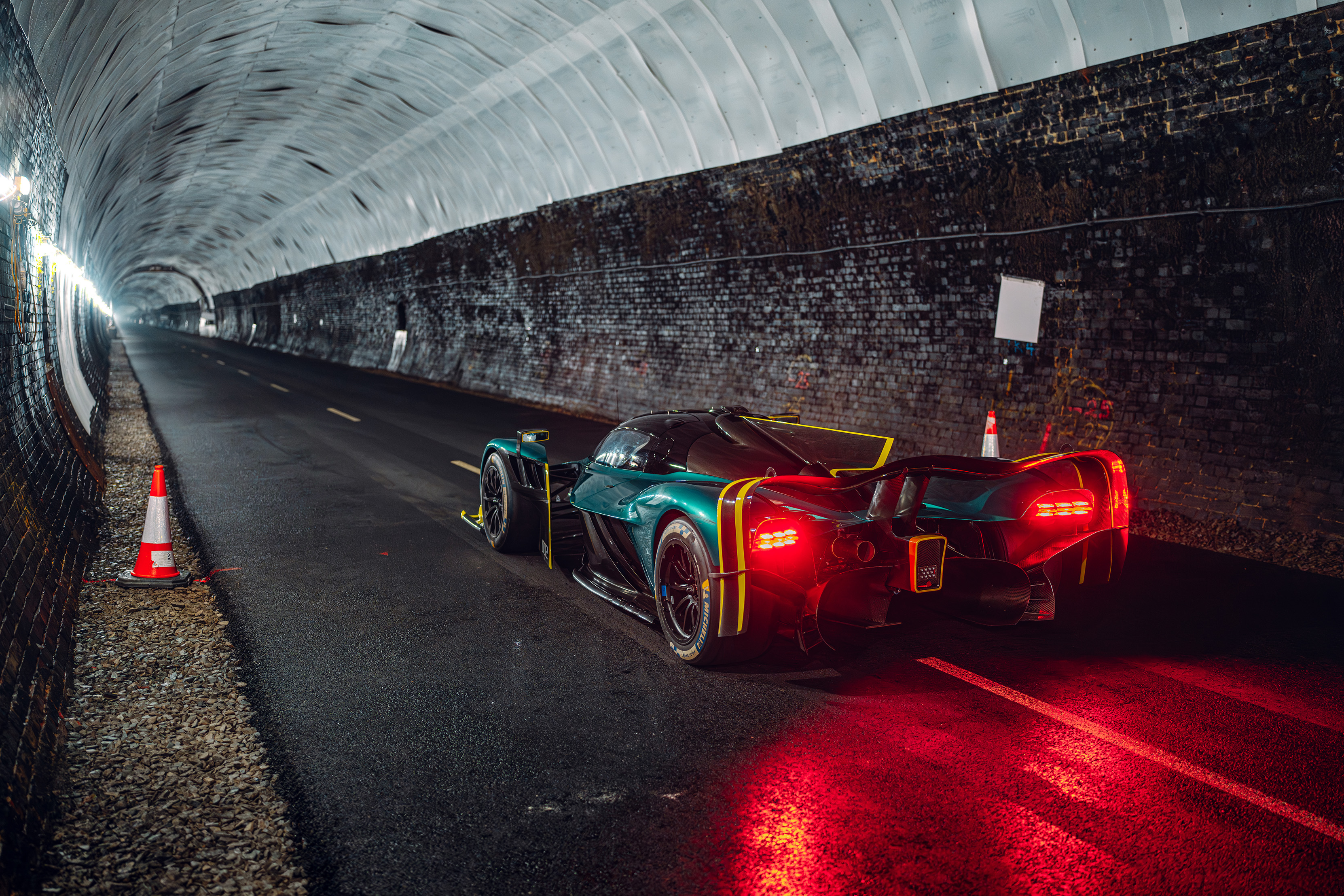
A car enters a tunnel, the driver downshifts, and then: BANG. The engine screams, exhaust flames pop, and the entire tunnel becomes a concert hall for horsepower.
But why? Why do car people always rev in tunnels?
It's not just about being loud. There's actual science, psychology, and decades of car culture behind this ritual. Let's break it down.
🔬 The Science: Why Tunnels Make Everything Sound Better
Acoustic Amplification 101
Tunnels are basically natural sound amplifiers. Here's the physics:
Sound waves bounce off hard surfaces, and tunnels are made of concrete, steel, and asphalt. Every surface reflects your exhaust note back at you, creating what audio engineers call "reverberation."
When you rev in an open space, sound waves travel outward and dissipate. But in a tunnel? Those same waves hit the walls, ceiling, and floor, bounce back, and create a cascading echo effect that makes your car sound 10x louder and more dramatic.
The Frequency Magic
Different exhaust notes hit different frequencies. A V8 rumble sits around 100-200 Hz (low and throaty). A high-revving inline-4 screams at 300-500 Hz (sharp and aggressive).
Tunnels amplify these frequencies differently:
- Low frequencies (V8s, V6s) get that deep, rumbling echo
- High frequencies (4-cylinders, rotaries) create that sharp, ricocheting sound
- Mid-range (V10s, V12s) fill the entire tunnel with a balanced roar
It's like the difference between playing music in your bedroom vs. a concert hall. The tunnel becomes the instrument.
Why It Sounds So Much Better Than Open Roads
On the highway, your exhaust note gets lost in wind noise, traffic, and distance. But in a tunnel?
- Contained space = no sound escape
- Hard surfaces = maximum reflection
- Cylindrical shape = natural acoustic focus
The result? Your car doesn't just sound good. It sounds legendary.
🧠 The Psychology: Why We Can't Resist
The Ego Boost
Let's be honest: revving in a tunnel feels incredible.
There's something primal about hearing your car's full potential amplified back at you. That deep rumble or high-pitched scream isn't just noise. It's validation. It's proof that your build, your mods, your entire project was worth it.
Psychologists call this "acoustic feedback." When you hear your car's amplified sound, your brain releases dopamine. You're not just hearing the car. You're feeling the power.
The Performance Test
For many enthusiasts, tunnels are the ultimate real-world dyno.
You can hear:
- How your exhaust note changes at different RPMs
- Whether your downpipe is working correctly
- If your tune is hitting the right power bands
- How your blow-off valve sounds under load
It's like a free, instant audio diagnostic. Your ears become the tool.
The Social Signal
Revving in a tunnel isn't just about you. It's about being seen and heard.
When you hit that tunnel and let it rip, you're broadcasting to everyone nearby:
- "I'm here"
- "This is my car"
- "This is what I built"
In car culture, sound is identity. Your exhaust note is your signature. And tunnels are the megaphone.
🌍 The Culture: From Underground to Mainstream
The Origins: Underground Racing Culture
Tunnel runs didn't start on Instagram. They started in the underground racing scene of the 1980s and 1990s.
Street racers discovered that tunnels were perfect for:
- Testing top speed (no traffic, long straightaways)
- Hearing engine issues (amplified sound reveals problems)
- Avoiding police (harder to monitor, multiple exits)
But it wasn't just practical. It was ceremonial. Hitting a tunnel became a rite of passage. If your car could scream through a tunnel without breaking, you'd earned your stripes.
The JDM Influence
Japanese car culture took tunnel runs to another level.
In Japan, where space is limited and car meets are rare, tunnels became mobile car shows. Groups of modified cars would cruise through tunnels together, creating a rolling symphony of exhaust notes.
Videos of R34 Skylines, RX-7s, and Supras blasting through Japanese tunnels went viral, and the trend spread globally.
The Social Media Explosion
Instagram and TikTok turned tunnel runs into content gold.
Suddenly, every rev was a potential viral moment:
- Flames shooting out of exhausts
- Multiple cars revving in harmony
- The perfect echo effect
- Slow-motion captures
Tunnel runs became less about testing and more about performance art. The tunnel became the stage, the car became the performer, and social media became the audience.
🎯 Famous Tunnel Spots Around the World
The Cahuenga Pass (Los Angeles)
The Cahuenga Pass Tunnel on the 101 Freeway is legendary. It's where Hollywood meets horsepower. You'll hear everything from Teslas to Lamborghinis echoing through its walls.
The Queens Midtown Tunnel (New York)
NYC's Queens Midtown Tunnel is a rite of passage for East Coast car culture. The acoustics are perfect, and the late-night runs are part of the city's automotive DNA.
The Caldecott Tunnel (San Francisco Bay Area)
The Caldecott Tunnel has three bores, creating a unique triple-echo effect. Bay Area car people know it as the ultimate sound test.
The Tokyo Bay Aqua-Line (Japan)
Japan's Tokyo Bay Aqua-Line is a 9.6km tunnel that's become a pilgrimage site for JDM enthusiasts. The length means you can hold a rev for nearly a minute.
The Chunnel (UK/France)
The Channel Tunnel isn't just for trains. Car enthusiasts have made it a destination. The 50km length creates an otherworldly acoustic experience.
⚠️ Safety and Legal Considerations
The Reality Check
Let's be real: revving in tunnels can be dangerous and illegal.
Safety risks:
- Reduced visibility from exhaust smoke
- Startling other drivers
- Potential accidents from distraction
- Hearing damage (seriously, wear ear protection)
Legal risks:
- Noise violations
- Reckless driving charges
- Disturbing the peace
- Potential vehicle impoundment
How to Do It Responsibly
If you're going to do it, do it right:
1. Know the tunnel:
- Check for traffic
- Avoid rush hour
- Know the exits
- Understand the acoustics
2. Be aware:
- Don't rev near other cars
- Watch for pedestrians
- Respect residential areas
- Keep it short
3. Know the law:
- Research local noise ordinances
- Understand the consequences
- Consider track days instead
- Use designated areas when possible
4. Protect yourself:
- Wear ear protection
- Ensure your car is safe
- Have an exit plan
- Don't do it alone
📸 The Social Media Phenomenon
Why Tunnel Content Goes Viral
Tunnel rev videos hit different because they combine:
- Visual appeal (flames, smoke, lighting)
- Audio appeal (amplified sound)
- Emotional appeal (raw power, freedom)
- Relatability (every car person understands)
Platforms like Instagram, TikTok, and YouTube are flooded with tunnel content because it's instantly shareable and universally understood.
The Spota Connection
Here's where it gets interesting: Spota makes tunnel runs discoverable.
Instead of hoping to find a good tunnel spot, you can:
- See which tunnels have active car activity
- Find other enthusiasts doing tunnel runs
- Discover new tunnel spots in your city
- Share your tunnel moments with the community
When you Go Live on Spota and hit a tunnel, nearby users get notified. They can see you on the map, hear the revs, and even spot your car in action.
It's the modern evolution of tunnel culture: from underground to on the map.
🎵 The Different Sounds: What Each Engine Type Does
V8s: The Deep Rumble
American muscle in a tunnel is thunder. The low-frequency rumble of a V8 creates that chest-thumping bass that you feel as much as hear.
Think: Hellcats, Mustangs, Camaros echoing through concrete.
V10s/V12s: The Symphony
Exotic supercars in tunnels are orchestral. The high-revving V10s and V12s create a complex, layered sound that fills every frequency.
Think: Lamborghinis, Ferraris, McLarens creating harmonic chaos.
Inline-4s: The Scream
Turbocharged 4-cylinders in tunnels are aggressive. The high-pitched scream, combined with blow-off valve sounds, creates that ricocheting effect.
Think: WRXs, Evos, Focus STs creating that sharp, bouncing echo.
Rotaries: The Unique Howl
Rotary engines in tunnels are otherworldly. The unique rotary sound doesn't echo. It multiplies. It's like nothing else in the automotive world.
Think: RX-7s, RX-8s creating that signature brap-brap-brap.
🏁 The Ritual: Step by Step
The Approach
- Spot the tunnel: You see it coming
- Check traffic: Make sure it's clear
- Downshift: Get into the right gear
- Position: Center lane for maximum echo
The Moment
- Enter the tunnel: Feel the acoustics change
- Hold the rev: Let it build
- Let it rip: Full throttle or aggressive rev
- Listen: Hear the echo cascade
The Exit
- Coast out: Let the sound fade
- Smile: Because you just did it
- Check for content: Did anyone film it?
- Do it again: Because once is never enough
🧪 The Technical Side: Exhaust Systems and Tunnel Acoustics
How Exhaust Mods Change Tunnel Sound
Straight pipes:
- Maximum volume
- Raw, unfiltered sound
- Can be overwhelming
Cat-back systems:
- Balanced tone
- Still loud but refined
- Best for daily tunnel runs
Resonated exhausts:
- Deeper, richer tone
- Less harsh on the ears
- Professional sound
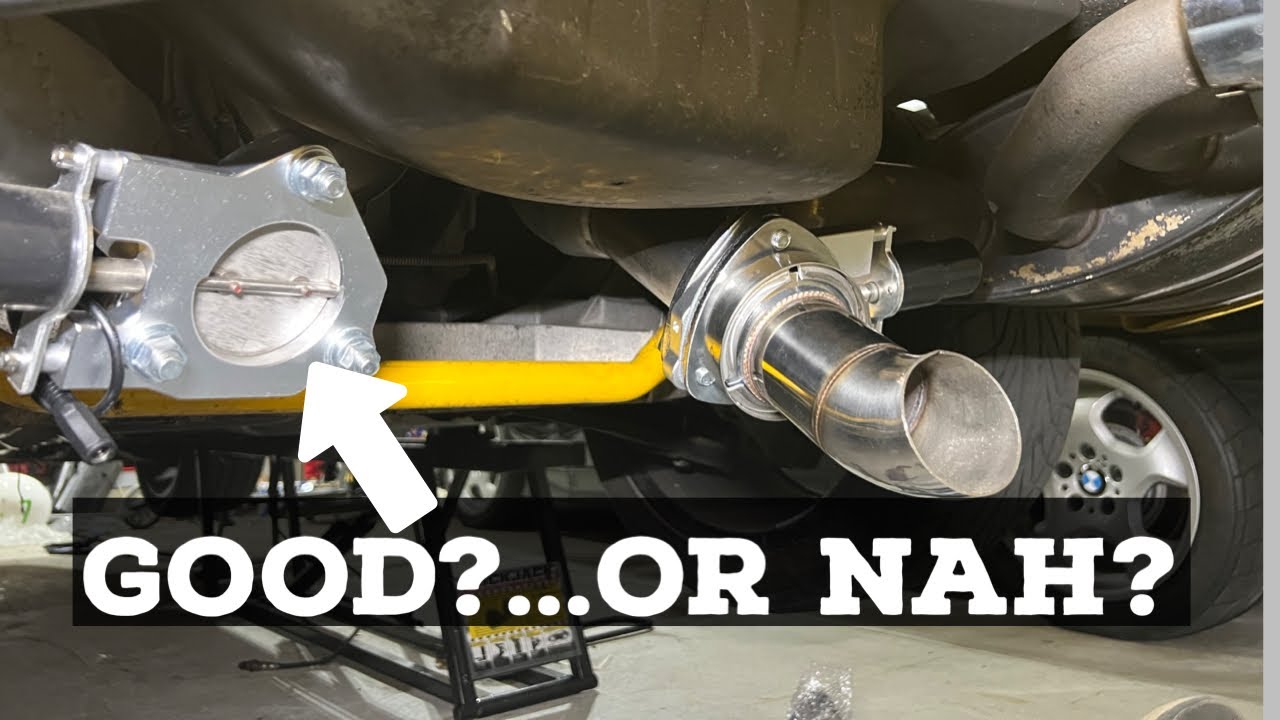
Active exhausts:
- Switch between quiet and loud
- Best of both worlds
- Modern solution
The Perfect Tunnel Setup
For the ultimate tunnel experience:
- High-flow downpipe: More sound, more power
- Resonator delete: Sharper tone
- Quality muffler: Deep, not droning
- Proper tune: Hit the right RPM bands
🌃 The Night vs. Day Difference
Night Tunnel Runs: The Classic
Night tunnel runs are iconic because:
- Less traffic
- Better visibility of flames
- More dramatic lighting
- Feels more exclusive
The darkness amplifies the experience. You're not just hearing the sound. You're seeing the fire, the smoke, the glow.
Day Tunnel Runs: The Practical
Day tunnel runs are safer because:
- Better visibility
- More traffic = slower speeds
- Less likely to disturb
- More acceptable socially
But they lack the drama. The flames don't show, the lighting is flat, and it feels less special.
🎬 The Content Creation Angle
Why Filmmakers Love Tunnels
Tunnels are perfect for car content because:
- Natural lighting: Even, diffused light
- Clean background: No distractions
- Acoustic quality: Professional sound
- Dramatic effect: Built-in atmosphere
Every car YouTuber, Instagrammer, and TikToker has tunnel content because it's guaranteed engagement.
The Perfect Tunnel Shot
For the ultimate tunnel video:
- GoPro on the bumper: Capture the flames
- Interior mic: Record the echo
- Slow motion: Dramatic effect
- Multiple angles: Cut between shots
🚗 The Community Aspect
Tunnel Runs as Social Events
Tunnel runs aren't always solo. They're often group activities:
- Car clubs organize tunnel cruises
- Friends meet up for tunnel sessions
- Photographers position themselves for shots
- Spotters wait to capture the moment
It's car culture in its purest form: people coming together around a shared experience.
The Spota Advantage
With Spota, tunnel runs become discoverable events:
- See who's doing tunnel runs nearby
- Join other enthusiasts in real-time
- Share your tunnel moments
- Build a community around the ritual
When you Go Live and hit a tunnel, you're not just revving. You're broadcasting to the community.
🎯 The Psychology of Sound and Identity
Why Your Exhaust Note Matters
Your exhaust note is your sonic signature. It tells people:
- What kind of car you drive
- What mods you've done
- What your build philosophy is
- Who you are as an enthusiast
In tunnels, that signature gets amplified. It's not just sound. It's identity.
The Tribal Aspect
Revving in tunnels creates tribal connection:
- You recognize other car people
- You share a common experience
- You understand the ritual
- You're part of something bigger
It's why tunnel culture transcends borders, languages, and car types. A rev in Tokyo sounds different than a rev in LA, but the feeling is the same.
🔥 The Evolution: From Necessity to Art
The Practical Origins
Tunnel runs started as practical necessity:
- Testing cars without tracks
- Diagnosing engine issues
- Avoiding police attention
- Finding safe spaces to drive
The Cultural Shift
They evolved into cultural ritual:
- Rite of passage for new builds
- Social bonding activity
- Content creation opportunity
- Global car culture phenomenon
The Modern Era
Today, tunnel runs are performance art:
- Carefully planned content
- Social media moments
- Community events
- Cultural expression
💡 Pro Tips for the Ultimate Tunnel Experience
1. Know your tunnel:
- Research the acoustics
- Check traffic patterns
- Understand the layout
- Know the exits
2. Prepare your car:
- Ensure exhaust is secure
- Check for leaks
- Verify tune is safe
- Have backup plans
3. Time it right:
- Late night = less traffic
- Early morning = better lighting
- Weekends = more acceptable
- Avoid rush hour = safety
4. Respect the space:
- Don't block traffic
- Don't rev near pedestrians
- Don't disturb residents
- Don't be reckless
5. Capture the moment:
- Set up cameras beforehand
- Use multiple angles
- Record audio separately
- Edit for maximum impact
🏁 The Bottom Line
Revving in tunnels isn't just about being loud. It's about:
- Hearing your build at its full potential
- Feeling the power amplified back at you
- Connecting with car culture on a primal level
- Creating moments that define the experience
- Sharing identity through sound
It's science, psychology, culture, and community all rolled into one universal ritual.
Whether you're in a Hellcat, a Supra, or a Miata, the tunnel calls. And when you answer, you're not just making noise. You're participating in car culture history.
So next time you see that tunnel ahead, you know what to do.
Downshift. Rev. Listen. Feel.
And if you're on Spota, Go Live. Because the best tunnel runs are the ones you share.
❓ FAQs
Why do tunnels make cars sound louder?
Tunnels amplify sound through acoustic reflection. Hard surfaces (concrete, steel) bounce sound waves back, creating reverberation and echo effects that make exhaust notes significantly louder.
Is it legal to rev in tunnels?
It depends on local laws. Many areas have noise ordinances that prohibit excessive revving. Always check local regulations and be respectful of others.
What's the best time to do tunnel runs?
Late night or early morning typically have less traffic and are more socially acceptable. Always prioritize safety and legality.
Do different exhaust systems sound different in tunnels?
Yes. Straight pipes are loudest, cat-back systems are balanced, and resonated exhausts have deeper tones. The tunnel amplifies the characteristics of each system.
Why do car people love tunnel runs?
It combines acoustic science (amplified sound), psychology (ego boost, identity expression), and culture (ritual, community) into a single, powerful experience.
How can I find good tunnel spots?
Use Spota to see where other car enthusiasts are active, search local car groups, or explore your city's infrastructure. Always prioritize safety and legality.
The tunnel doesn't judge. It just amplifies. And in that amplification, we find something universal: the sound of passion, the echo of culture, and the roar of community.