
🚗 The Universal Ritual
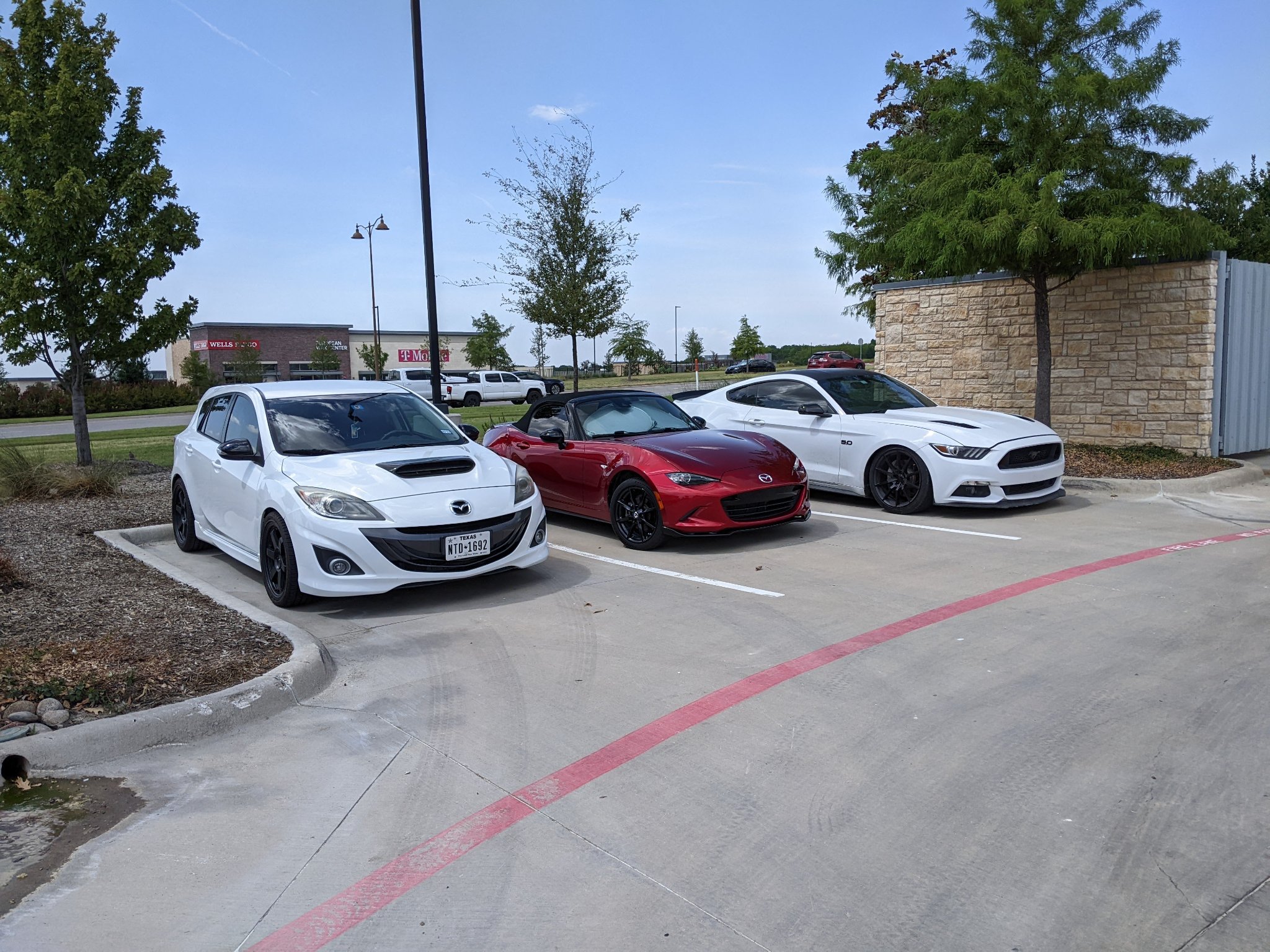
You've seen it everywhere — car meets, shopping centers, gyms, coffee shops. A modded car pulls up to a parking spot, stops short, shifts into reverse, and backs in perfectly.
It's not just a parking technique. It's a statement.
For car enthusiasts, backing into a spot isn't about difficulty or showing off. It's about practicality, safety, culture, and identity. But why has this become such a universal ritual in car culture?
The answer isn't simple. It's a complex mix of practical benefits, safety considerations, cultural signals, and yes — a little bit of flex.
Let's break down why car guys always back into parking spots.
🎯 The Practical Reasons: Why It Actually Makes Sense
Easier Exit (The Main Benefit)
Forward parking = hard exit:
- Blind spots when reversing out
- Can't see oncoming traffic
- Pedestrians hidden from view
- Tight spaces difficult to navigate
- Backing out into traffic is dangerous
Reverse parking = easy exit:
- Full visibility when leaving
- See everything in front of you
- No blind spots when exiting
- Quick getaway if needed
- Safer in tight parking lots
When you back in, you're setting up for success later. The hard part (reversing) happens when you arrive and have time. The easy part (driving forward) happens when you're leaving and might be rushed.
Better Visibility When Leaving
Reversing out is dangerous because:
- Your field of vision is limited
- Mirrors don't show everything
- Blind spots are larger when reversing
- Oncoming traffic moves faster than you think
- Pedestrians appear suddenly
Driving forward out is safer because:
- Full forward vision
- Natural head movement covers all angles
- Better peripheral vision
- Faster reaction time
- More predictable for other drivers
This isn't just theory — insurance companies and safety organizations recommend backing into spots because it reduces accidents.
Protection for Your Front End
Front-end damage is expensive:
- Bumpers are expensive to repair
- Grilles and headlights cost thousands
- Radiators and cooling systems are vulnerable
- Hood damage is highly visible
- Front-end damage is harder to hide
Rear-end damage is often cheaper:
- Rear bumpers are simpler
- Less visible when minor
- Tail lights are cheaper than headlights
- Trunk damage less critical than engine damage
Backing in puts your less expensive, less critical rear end toward traffic, protecting your valuable front end.
Space Efficiency
Reverse parking = more precise:
- Better spatial awareness when backing in
- Can park closer to curbs
- Easier to center in the spot
- More consistent positioning
- Better for tight spaces
Forward parking = less precise:
- Often overshoot or undershoot
- Harder to judge distance
- Less consistent positioning
- Wastes space in tight lots
Enthusiasts appreciate precise parking — it shows attention to detail.
🛡️ The Safety Reasons: Why Experts Recommend It
Accident Prevention
Statistics tell the story:
- Backing-up accidents are common in parking lots
- Forward exit reduces backing incidents by ~80%
- Insurance companies see fewer claims from reverse parking
- Safety organizations recommend backing in
- Commercial drivers are required to back in (DOT regulations)
When you back in, you're reversing in a controlled environment (parking lot, no traffic) instead of reversing into potential traffic when leaving.
Emergency Situations
Forward parking = faster emergency response:
- Quick exit if needed
- No reversing under pressure
- Better visibility for escape
- Faster vehicle access
- Less likely to hit obstacles when stressed
Reverse parking = slower emergency response:
- Must reverse carefully
- Blind spots when stressed
- Slower exit under pressure
- More likely to make mistakes
In emergency situations, forward momentum is faster and safer.
Pedestrian Safety
Parking lots are dangerous for pedestrians:
- People walk between cars
- Children are hard to see
- Shopping carts block views
- Distracted drivers everywhere
- Low visibility at night
When you reverse out, you're backing into a space where pedestrians might be. When you drive forward out, you can see pedestrians and stop.
Reduced Liability
Reversing out creates liability:
- "Failure to yield right of way" citations
- At-fault accidents when backing out
- Higher insurance premiums
- Legal complications
- Damage to other vehicles
Forward exit reduces liability:
- Better visibility = fewer accidents
- Right of way easier to determine
- Fewer citations
- Lower insurance risk
- Less legal exposure
Backing in is risk management for your wallet.
🎨 The Cultural Reasons: Why It Became a Thing
The Flex Factor (Let's Be Honest)
Backing in shows skill:
- Requires more precision
- Demonstrates driving ability
- Shows you care about your car
- Suggests experience and confidence
- Separates "car guys" from "regular drivers"
There's a cultural element here. Backing in isn't just practical — it's a signal that you're part of the car community.
The Professional Driver Influence
Professional drivers back in:
- Truck drivers
- Race car drivers
- Emergency responders
- Commercial vehicle operators
- Military personnel
When enthusiasts see professionals backing in, they adopt the practice. It's aspirational — "If the pros do it, I should too."
The JDM Influence
Japanese car culture popularized it:
- Common practice in Japan
- Space-efficient parking culture
- Precision and attention to detail
- Cultural emphasis on proper technique
- Viral social media content
Japanese car culture videos showing perfect reverse parking went viral, influencing global car culture.
The Car Meet Culture
Car meets created the standard:
- Show off your car's front end
- Better for photos
- Consistent parking creates clean rows
- Demonstrates respect for the space
- Part of the "car guy" identity
At car meets, everyone backs in. It becomes part of the culture, then spreads to everyday parking.
🧠 The Psychology: Why It Feels Right
Control and Preparation
Forward parking = reactive:
- Deal with problems when leaving
- React to situations as they happen
- Less control when stressed
- Makes leaving more difficult
Reverse parking = proactive:
- Handle difficult part upfront
- Set yourself up for success
- Control the situation
- Make leaving easier
Proactive behavior feels more in control, and car enthusiasts value control.
Attention to Detail
Backing in requires:
- Careful positioning
- Spatial awareness
- Patience
- Precision
- Pride in your work
Car enthusiasts appreciate precision. Perfect reverse parking is a small detail that matters — it shows you care about doing things right.
Identity and Belonging
Backing in signals:
- "I'm a car person"
- "I know what I'm doing"
- "I care about my car"
- "I'm part of this community"
- "I understand the culture"
It's a small cultural marker that creates belonging. When you see other cars backed in, you recognize fellow enthusiasts.
Ritual and Routine
Consistent behavior creates routine:
- Same technique every time
- Muscle memory develops
- Becomes second nature
- Part of the ritual
- Comforting in its predictability
Rituals are powerful — they create identity and belonging. Reverse parking becomes part of the "car guy ritual."
🏁 The Performance Angle: Why It Matters for Modded Cars
Protecting Modifications
Front-end mods are expensive:
- Aftermarket bumpers
- Custom grilles
- LED headlights
- Intercoolers and radiators
- Body kits and splitters
Rear-end mods are often simpler:
- Rear bumpers
- Exhaust tips
- Tail lights
- Diffusers
- Less critical components
Backing in protects your most expensive and visible modifications from parking lot damage.
Better Airflow (Seriously)
Front-facing airflow matters:
- Better cooling when parked
- Intercoolers need airflow
- Radiators need ventilation
- Prevents heat soak
- Better for turbocharged engines
When you back in, your front end faces outward — better for airflow, especially on modified cars.
Easier Access for Modifications
Front-end mods need access:
- Pop the hood for shows
- Show off engine bays
- Access intercoolers and intakes
- Display radiator setups
- Better for photography
Backed-in cars = better front-end access for working on or showing off modifications.
The Parking Lot Showoff
Backing in shows off:
- Front end (more impressive)
- Wheels and stance
- Front splitter
- Headlights
- Overall presence
When you back in, your car faces outward — better for impressing people or taking photos.
🚦 The Different Scenarios: When It Matters Most
Car Meets and Shows
Perfect reverse parking is expected:
- Creates uniform rows
- Better for photography
- Shows respect for the event
- Part of the culture
- Demonstrates attention to detail
At car meets, not backing in is almost disrespectful. It's the standard.
Shopping Centers and Malls
High-traffic areas benefit from forward exit:
- Lots of pedestrian traffic
- Busy parking lots
- Multiple exits
- Better visibility needed
- Quicker, safer departure
Reverse parking makes sense in high-traffic areas.
Tight Parking Spaces
Reverse parking = better precision:
- Can park closer to obstacles
- Better spatial awareness
- Easier to center
- More consistent positioning
- Better for narrow spaces
Tight spaces benefit most from reverse parking.
Street Parking
Urban street parking:
- Parallel parking requires precision
- Backing in creates easier exit
- Better for tight spots
- Reduces risk when leaving
- Safer in busy streets
Street parking especially benefits from reverse parking.
🎓 The Technique: How to Master Reverse Parking
The Approach
1. Identify your spot:
- Look ahead while driving
- Identify target spot early
- Check for obstacles
- Plan your approach
- Position yourself correctly
2. Signal and position:
- Use turn signal
- Slow down appropriately
- Stop short of the spot
- Leave room to maneuver
- Check mirrors
3. Set up for success:
- Straighten your wheels
- Position car correctly
- Leave adequate space
- Check surroundings
- Prepare for reverse
The Reverse
4. Shift to reverse:
- Check mirrors
- Look over both shoulders
- Confirm clear
- Begin reversing slowly
- Use mirrors for guidance
5. Steer and position:
- Turn wheel toward spot
- Adjust as needed
- Use reference points
- Keep it slow and controlled
- Monitor all sides
6. Center and straighten:
- Straighten wheels
- Center in the spot
- Position correctly
- Check clearance
- Make final adjustments
The Finish
7. Complete the park:
- Stop in correct position
- Straighten wheels
- Check final position
- Ensure proper clearance
- Turn off engine
8. Exit preparation:
- Note your position
- Remember obstacles
- Plan your exit
- Check mirrors one more time
- You're ready for easy exit
💡 Pro Tips for Perfect Reverse Parking
Use Your Mirrors
Mirrors are your friend:
- Adjust before parking
- Use all three mirrors
- Check frequently
- Trust what you see
- Combine with looking
Mirrors + looking = best visibility.
Find Reference Points
Create your system:
- Use fixed reference points
- Know your car's dimensions
- Practice with cones
- Develop muscle memory
- Trust your instincts
Consistent reference points = consistent parking.
Take Your Time
Slow is smooth, smooth is fast:
- No need to rush
- Better to be careful
- Fewer mistakes
- More precise
- Professional appearance
Haste makes waste — especially in parking.
Practice Makes Perfect
Get comfortable:
- Practice in empty lots
- Try different scenarios
- Build confidence
- Develop skills
- Make it second nature
Practice creates mastery.
Use Technology (If You Have It)
Modern aids help:
- Backup cameras
- Parking sensors
- 360-degree cameras
- Automatic parking
- Proximity alerts
Technology assists — but don't rely on it completely.
🚫 Common Mistakes: What to Avoid
Rushing the Process
Common mistake:
- Trying to park too fast
- Not checking surroundings
- Cutting corners
- Impatience leads to errors
- Rushed parking looks bad
Slow down — better to take an extra 10 seconds.
Not Using Mirrors
Common mistake:
- Only looking over shoulder
- Ignoring mirrors
- Not checking all angles
- Tunnel vision
- Missing obstacles
Use all your tools — mirrors and looking.
Poor Positioning
Common mistake:
- Starting too close
- Starting too far
- Wrong angle
- Not leaving room
- Bad setup = bad result
Position matters — get it right from the start.
Not Checking Surroundings
Common mistake:
- Not checking for pedestrians
- Missing other cars
- Ignoring obstacles
- Focusing only on spot
- Tunnel vision
Awareness prevents accidents.
🌍 Cultural Variations: How It Differs Globally
North America
Popular in car culture:
- Very common at meets
- Standard practice for enthusiasts
- Less common for general public
- Cultural marker
- Part of car identity
North American car culture fully embraces reverse parking.
Japan
Standard practice:
- Common everywhere
- Cultural norm
- Space efficiency important
- Precision valued
- Part of driving culture
Japanese culture made reverse parking standard.
Europe
Variable adoption:
- Common in some countries
- Less common in others
- Depends on culture
- Urban vs. rural differences
- Mixed practices
European adoption varies by country.
Asia-Pacific
Growing popularity:
- Influenced by Japan
- Car culture adoption
- Social media influence
- Younger drivers embracing
- Becoming standard
Asia-Pacific is adopting the practice.
🏆 The Professional Perspective: Why Experts Do It
Commercial Drivers
DOT regulations require it:
- Safety standard
- Easier exit
- Better visibility
- Industry best practice
- Required for trucks
Commercial drivers must back in — it's law.
Emergency Responders
First responders back in:
- Faster emergency response
- Quick exit needed
- Safety critical
- Standard procedure
- Saves lives
Emergency responders back in for speed and safety.
Race Car Drivers
Track drivers back in:
- Easier pit exit
- Faster response
- Better visibility
- Standard practice
- Part of routine
Race car drivers do it for performance.
Car Enthusiasts
Enthusiasts adopt professional practices:
- Learning from experts
- Adopting best practices
- Demonstrating skill
- Cultural adoption
- Identity building
Enthusiasts follow the pros.
📱 The Spota Connection: Modern Parking Culture
Parking Lot Discovery
Spota helps find good spots:
- See where enthusiasts park
- Find meet locations
- Discover parking patterns
- Connect with others
- Build community
Spota makes parking part of the social experience.
Sharing Parking Moments
Content creation:
- Photo opportunities
- Show off your car
- Share parking skills
- Connect with community
- Build presence
Reverse parking creates better content angles.
Community Standards
Cultural markers:
- Recognize fellow enthusiasts
- Identify car people
- Build community
- Create connections
- Share experiences
Spota helps identify cultural markers like reverse parking.
🎯 The Bottom Line: Why It Really Matters
Reverse parking isn't just a parking technique — it's a complex cultural ritual that combines:
- Practical benefits — Easier exit, better visibility, safety
- Cultural identity — Signaling belonging to car community
- Professional influence — Learning from experts
- Psychological comfort — Control, precision, ritual
- Performance considerations — Protecting mods, better access
But at its core, it's about doing things the right way.
Car enthusiasts don't back in to be difficult or show off. They back in because:
- It's safer — Statistics prove it
- It's smarter — Easier exit later
- It's better — Protects your investment
- It's right — Professionals do it
- It's culture — Part of the community
So next time you see a modded car backing into a spot, remember: It's not showing off. It's showing up.
Because the best car guys don't just drive — they prepare.
❓ FAQs
Why do car guys back into parking spots?
Car enthusiasts back in for practical benefits (easier exit, better visibility), safety reasons (reduced accidents, better pedestrian safety), cultural identity (signaling belonging to car community), and to protect expensive front-end modifications.
Is backing into parking spots safer?
Yes. Statistics show backing in and driving forward out reduces parking lot accidents by ~80%. Insurance companies and safety organizations recommend backing in because reversing into potential traffic is more dangerous than reversing in a controlled parking lot.
Do professionals back into parking spots?
Yes. Commercial truck drivers are required by DOT regulations to back in. Emergency responders, race car drivers, and military personnel also back in for safety and efficiency. Car enthusiasts adopt these professional practices.
Is it harder to back into a parking spot?
It requires more initial effort and precision, but becomes easier with practice. The benefit is that the difficult part (reversing) happens when you arrive with time, while the easy part (driving forward) happens when you're leaving and might be rushed.
Why is reverse parking a cultural thing?
It signals belonging to car culture, demonstrates skill and attention to detail, shows respect for your vehicle, and creates identity within the enthusiast community. Social media and car meets have popularized it as a cultural marker.
Does reverse parking protect your car?
Yes. It protects expensive front-end modifications (bumpers, grilles, headlights, intercoolers) by putting your less expensive rear end toward traffic. Front-end damage is also more visible and expensive to repair.
Is reverse parking required by law?
No, for regular drivers. However, commercial truck drivers are required by DOT regulations to back in. Some parking lots may have rules, but it's generally optional for regular vehicles.
How do I get better at reverse parking?
Practice in empty lots, use all mirrors plus looking over shoulders, find reference points, take your time, and use backup cameras if available. Consistent practice builds muscle memory and confidence.
The difference between parking and parking right? It's not just about the technique. It's about the thought behind it. Because car culture isn't about what you drive — it's about how you treat it.