
🗃️ The Corner of the Garage Nobody Talks About
Walk into any modified car owner's garage and you'll find it. Not the car. The other thing. A stack of cardboard boxes, a set of steel wheels wrapped in a trash bag, a factory exhaust leaning against the wall collecting dust since 2019.
Ask what it is and you'll get the same answer every time: "That's my stock stuff."
Nobody asked. Nobody needs to know. They're keeping it anyway.
This is the parts bin, and it exists in some form in almost every enthusiast's garage, attic, storage unit, or long-suffering parent's basement. It's never organized. It's rarely labeled. And it never, ever gets thrown away.
Let's talk about why.
📦 What Actually Ends Up in There
The parts bin isn't random junk. It's a very specific category of item: the factory piece that got replaced by a better one.
Common parts bin inhabitants:
- The stock exhaust, swapped for a cat-back
- Factory wheels, replaced by something lighter or wider
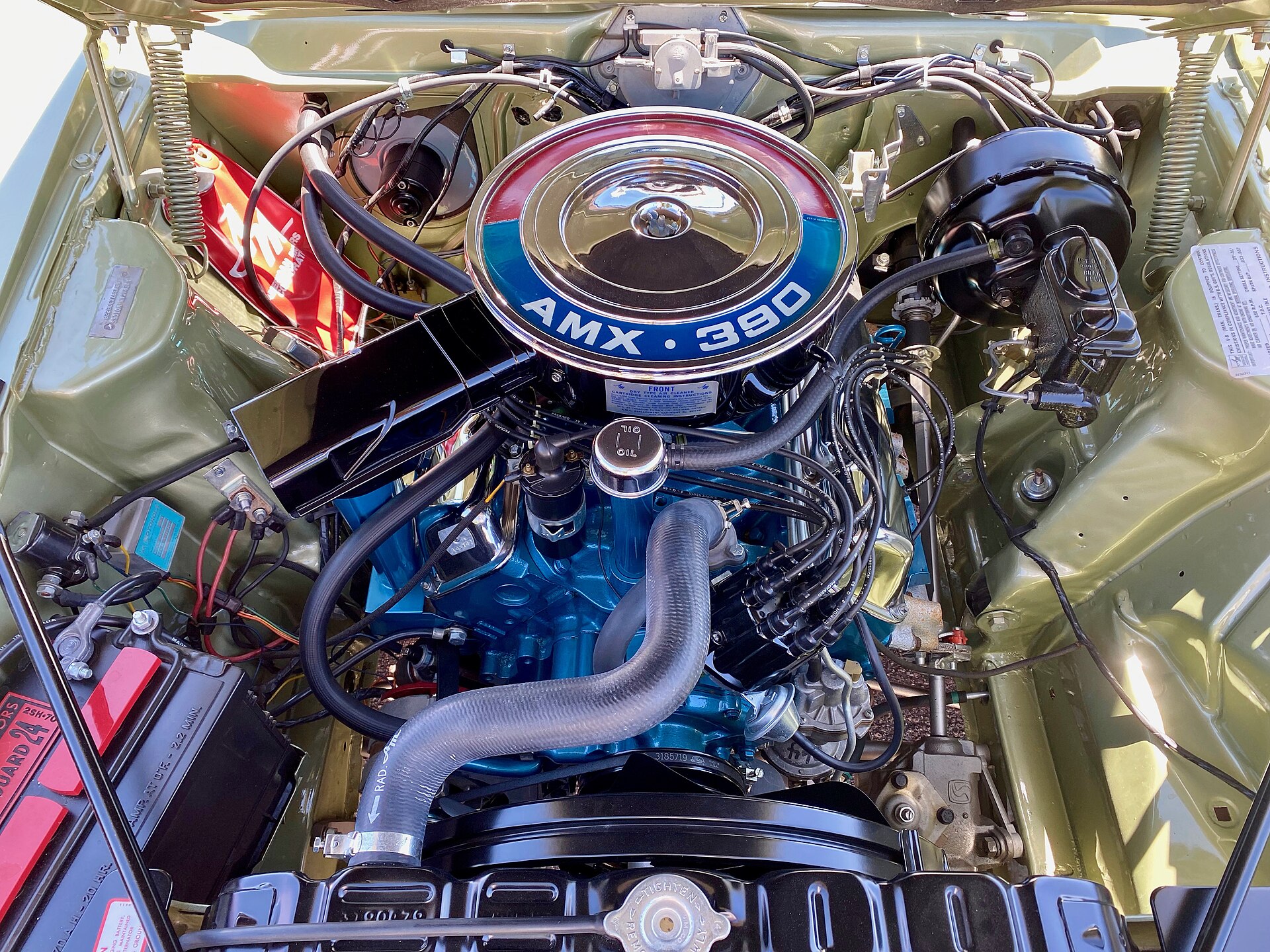
- The original intake, pulled for a cold air setup
- Stock springs or the whole strut assembly, before coilovers went in
- The factory ECU or tune, before the car got flashed
- Interior trim pieces removed for a stripped-out build
- The original front bumper, before the aftermarket one showed up
- Stock seats, benched for buckets
- A perfectly good factory radio, replaced by an aftermarket head unit nobody uses half the features of
Notice the pattern. None of it is broken. All of it works fine. It just isn't what's on the car anymore.
🧠 The Real Reasons Nobody Can Let Go
"What if I need to sell it stock?"
This is the number one reason, and it's not irrational. Resale value is real, and a lot of buyers specifically want the option to return a car to stock.
- Some markets pay a premium for a "numbers matching," unmolested example
- Insurance and financing can get weird on heavily modified cars, especially anything financed or leased
- A buyer who wants the aftermarket look might not want your specific parts
- Reverting to stock before a sale can widen your buyer pool significantly
So the stock exhaust sits in the corner for three years "just in case," even though the car was never going back to stock and everybody in the garage knows it.
The warranty and inspection safety net
Modified cars and factory warranties do not mix well. A lot of owners keep every stock part specifically so they can swap back to stock before a dealership visit.
- Warranty claims can get denied if a shop spots aftermarket parts near the failure
- Emissions and safety inspections in stricter states can fail a car with certain mods installed
- Some owners fully revert before every single inspection cycle, then remod the same week
If you've ever put your stock intake back in the night before a smog test, you already understand this entirely.
It cost money, and throwing it away feels like throwing away money
Parts aren't free. Even the boring factory ones represented a chunk of the car's original sticker price. Tossing a $400 factory wheel in the trash feels wrong on a level that has nothing to do with logic.
The math that keeps parts bins full:
- "I could sell this for $150 eventually"
- "This cost the dealer $600 to replace, why would I throw it out"
- "Someone on the forum needs exactly this part"
Most of these parts never actually get sold. But the possibility that they could is enough to keep them stacked in the corner indefinitely.
Sentimental weight nobody admits to out loud
Ask a car guy why he still has the seats from his first build and you'll get a shrug and a "dunno, just never got rid of them." Push a little and the real answer comes out: those seats were in the car the first time he drove it after finishing the swap. That matters, even if it's inconvenient to store.
Parts carry memory the same way the car itself does. The factory exhaust you pulled off with your dad in the driveway isn't just a pipe. It's the day you did that together.
💸 What the Hoarding Actually Costs You
Before this turns into a full defense of never throwing anything away, the honest counterpoint: the parts bin has a real cost.
- Storage space you're paying for one way or another, whether it's garage square footage or a storage unit bill
- Value decay. A factory part sitting outside or in a damp garage for five years is worth a fraction of what it was when it came off the car
- Missed selling windows. Parts are worth the most right after removal, when demand for that specific generation is highest. Wait long enough and even a good part becomes unsellable clutter
- The part you actually need gets buried. Every car guy has dug through six boxes looking for one bolt, only to find it under a decade-old bumper cover he forgot he owned
The parts bin doesn't feel like it's costing anything because the cost is invisible: a little bit of space, a little bit of value, spread out over years. That's exactly what makes it so easy to keep growing.
🌐 The Underground Economy That Feeds the Bin
Part of why the hoarding instinct is so strong is that car culture has spent decades building an entire economy around exactly this kind of part.
- Marketplace Facebook groups and model-specific forums exist almost entirely for take-off parts: stock wheels, factory exhausts, OEM headlights, trim pieces from cars that got modded or parted out
- "Take-off" is a whole category of listing. Search any platform for "Civic take off wheels" or "WRX stock exhaust take off" and you'll find thousands of listings, because this exact scenario plays out constantly
- Some parts get more valuable once they're discontinued, especially trim pieces and interior parts for cars that are no longer in production, which is exactly why some owners hold onto pieces that look worthless today
- Restoration and numbers-matching culture keeps demand alive for parts that seem irrelevant to a modified build but matter enormously to someone doing a stock resto on the same platform years later
That last point is worth sitting with. The stock manifold that's dead weight in your garage might be the exact part someone three states away is searching junkyards for to finish a numbers-matching restoration. The parts bin isn't just personal storage. It's unlisted inventory in a market that already exists, whether the owner realizes it or not.
This is also why some of the most respected builders in any community aren't the ones with the cleanest garages. They're the ones with a labeled, organized stash of take-off parts they can pull from, trade, or sell the moment someone in the group needs exactly the thing they happen to have.
🚗 It's Not Just Enthusiasts. Shops Do This Too
Walk into any independent shop that specializes in a specific platform and you'll find the exact same behavior, just at a larger scale. Tuner shops keep shelves of take-off downpipes. Restoration shops keep bins of trim clips, factory badges, and interior hardware sorted by model year. Track-focused shops keep take-off suspension components because customers ask for them constantly.
The difference is organization, not instinct. A shop's parts bin is inventory with a system: labeled, shelved, and priced. A car guy's home garage parts bin is the same impulse without the system, which is exactly why it turns into clutter instead of an asset.
That gap is really the whole story. The hoarding instinct itself is completely rational. What separates a useful stash from a garage-eating pile is whether anyone ever goes back and actually organizes it.
🛠️ When You Should Actually Sell or Toss It
There's a simple gut check that cuts through most of the hoarding instinct:
- If the car is sold or gone, and you have no specific plan for the part, sell it within a season. Value only goes down from there.
- If you've had the part for over two years and haven't listed it, you're not going to. Be honest with yourself.
- If it's specific to a generation or trim that's genuinely rare, that's different. A hard-to-find factory piece for a limited-production car is worth holding, especially if it's stored properly.
- If storage is actively costing you money or space you need, the math is already made up for you.
The parts that are actually worth keeping long-term are a small slice of what ends up in most bins: rare trim-specific pieces, anything tied to a build you're documenting for history, and parts you have a real, dated plan to reinstall.
Everything else is just weight.
📲 Spota Tip: Track What Came Off, Not Just What Went On
One thing that makes the parts bin worse over time is that nobody remembers what actually came off the car, when, or why. A Garage profile solves that quietly: log each mod as it happens and you've got a running timeline of the build, including what got replaced. When you're finally deciding whether that stock exhaust is worth keeping, you can look back and see exactly how long it's been sitting there instead of guessing.
🏁 The Bottom Line
The parts bin isn't a mess. It's a decision nobody wants to make.
Every box in there represents a real, if slightly irrational, calculation: resale value, warranty coverage, money already spent, or a memory attached to a piece of plastic and metal. None of those reasons are stupid. Most of them are actually pretty reasonable, right up until the bin takes over half the garage and you can't find the one bolt you actually need.
The fix isn't throwing everything away. It's being honest about which parts are actually worth the space, and letting the rest go while they're still worth something to somebody else.
Your build deserves the garage space more than a decade-old bumper cover does.
❓ FAQs
Should I keep my stock parts after modifying my car? Keep anything you have a real plan to reinstall, anything genuinely rare for your car's generation, and anything you're planning to sell soon. Everything else loses value the longer it sits, so sell or donate it within a season of removal if you're not using it.
Do stock parts affect resale value? Yes, in a lot of markets. Having the original parts available, even if they're not installed, widens your buyer pool and can support a higher asking price, especially for cars where an unmolested, numbers-matching example commands a premium.
Why do car guys keep their factory exhaust after installing an aftermarket one? Mostly for warranty and inspection reasons. Swapping back to stock before a dealership visit or emissions test is common enough that keeping the factory exhaust around "just in case" is standard practice, even for owners who never plan to actually go back to stock.
How long should I keep parts before selling them? As soon after removal as possible. Demand and price are highest right when a part comes off, especially for common generations. Parts that sit for years usually end up sold for a fraction of what they'd have brought early on, if they sell at all.
What's the best way to store old car parts? Keep them off bare concrete, out of direct sun, and out of moisture if possible. Wheels and suspension parts especially degrade fast in damp storage. If you're serious about reselling later, treat stored parts the way you'd treat parts you're about to install.
Every garage has a parts bin. The good ones just know which pieces are actually worth the shelf space.