
🖐️ You Know The Wave. You've Given It. You've Been Left Hanging.
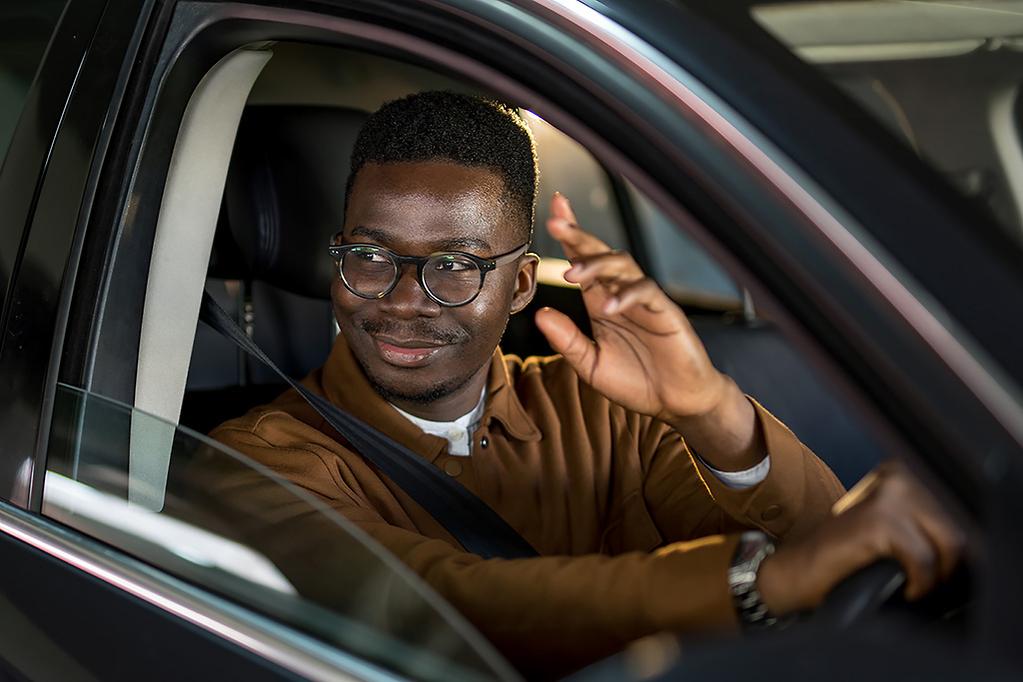
You're rolling down a back road, windows cracked, and a clean E46 M3 comes the other way. Before you've even fully processed the car, your hand is already off the wheel: two fingers up, quick nod, gone. No eye contact needed. No words exchanged. Just acknowledgment.
Sometimes you get the wave back. Sometimes you don't, and it bothers you way more than it should for a stranger you'll never see again.
This tiny ritual (the enthusiast wave, the Miata nod, the Jeep wave, the motorcycle-style two-finger salute between modified cars) is one of the oldest pieces of unwritten car culture etiquette there is. Nobody taught you the rules. You just absorbed them, the same way every car person eventually does.
Let's actually break down where it came from, who's "supposed" to wave at who, and why getting snubbed still stings.
🏍️ The Wave Didn't Start With Cars
The enthusiast wave has a clear ancestor: motorcycle culture. Riders have been throwing the low, two-fingers-off-the-handlebar wave at each other since long before car people picked it up. It's a recognition that you're both out here exposed to the same risks, chasing the same feeling, part of the same small club.
Jeep owners scaled that idea up in a big way. The Jeep Wave became so codified it has its own etiquette threads on forums going back decades: four fingers off the wheel for a Wrangler, two for a full-size Cherokee, a nod if your hands are busy on a trail. Miata owners followed with the "Miata nod," famously understated, because nobody wants to look too enthusiastic about waving at a Miata, even other Miata owners.
From there it spread everywhere: Subaru WRX owners wave at other WRX/STI drivers. Porsche 911 owners give each other a knowing look at stoplights. Manual transmission drivers sometimes wave at other manual drivers specifically, because rowing your own gears has become rare enough to feel like a shared secret. Any car culture with a strong identity eventually invents its own wave.
🧭 The Unwritten Rules (That Somehow Everyone Knows)
Nobody sat car people down and explained the rules. And yet ask ten different enthusiasts and you'll get remarkably consistent answers:
- Modified beats stock. A visibly built car (coilovers, wheels, a tune, anything showing effort) earns a wave from another built car almost automatically.
- Rarity earns extra credit. See something genuinely uncommon (an NSX, an old Skyline, a manual wagon) and the wave becomes closer to a reflex.
- Same-model loyalty is real. Miata-to-Miata, WRX-to-WRX, Wrangler-to-Wrangler waves happen at a much higher rate than cross-brand waves. There's an in-group effect at work.
- Context matters. A car meet parking lot is a wave-everyone free-for-all. A highway at 75 mph is a quick nod at best, because your hand needs to stay on the wheel.
- Daily drivers get a pass either way. Nobody expects a wave from someone clearly commuting in their modified car half-asleep at 7am. Enthusiasts read the room.
The rules aren't written down because they don't need to be. They're social proof of a shared identity: the same instinct behind any subculture's inside handshake, just translated into a two-second window at 40 mph.
🧠 Why Getting Snubbed Actually Stings
Here's the part that's genuinely interesting: getting left hanging by another car guy triggers a real, disproportionate little sting of rejection, and there's actual psychology behind why.
Humans are wired to read in-group signals constantly, even in tiny, low-stakes interactions. A wave (or a lack of one) functions as a micro-signal of belonging. When you wave at another enthusiast, you're not really saying "nice car." You're saying "I see you, we're the same kind of person, we get it." Getting ignored reads, on some subconscious level, as "you don't count." It's such a small interaction that most people would never admit it stings. But ask any car guy and they'll tell you a story about the one car that blew right past their wave.
It cuts both ways, too. Plenty of enthusiasts have accidentally left someone hanging because they were mid-shift, checking a mirror, or just didn't clock the other car in time, and felt genuinely bad about it afterward. That guilt only makes sense if the wave actually means something to the people doing it.
🌆 The Wave Is a Small Piece of a Bigger Problem
Here's the thing about the wave, though: it only works if you actually cross paths with another enthusiast in the first place, and on a random errand run, the odds of that happening are basically luck. You might pass three interesting builds a week and never know who's behind the wheel, where they meet up, or whether there's a scene in your city at all beyond what you stumble into.
That's the exact gap Spota is built to close. Instead of relying on a lucky pass on a back road, Spota turns your city into a map of the actual car culture around you: Clubs full of people who'd wave back every time, Photo Ops at the spots where builds actually show up, and a Garage where you can see exactly what someone's rolling before you ever meet them in person. The wave is a nice moment. Spota is how you find the people behind it more than once a month by accident.
🛣️ The Wave Isn't Going Anywhere
As cars get more anonymous (more crossovers, more identical EVs, more vehicles designed to disappear into traffic), the wave matters more, not less. It's a small, voluntary act of standing out on purpose and choosing to acknowledge someone else who did the same thing.
So next time a clean build passes you going the other way: give the wave. Worst case, it goes unanswered and you forget about it in ten seconds. Best case, you just had the entire car culture conversation in under a second flat.
For more on what actually holds this community together, check out What Is a Car Enthusiast? or browse more culture breakdowns in Under the Hood.