
🔩 The Sound Every Owner Dreads
You start your car and it sounds like a NASCAR entry. No warning, no check engine light the day before, nothing. Just a fifteen-minute job someone did in your driveway overnight with a battery-powered saw, and now your quiet commuter car sounds like it's got straight pipes and a grudge.
That's catalytic converter theft, and it's not some rare fluke anymore. Insurance claims for converter theft went from a few thousand a year in the early 2010s to well over 150,000 annually at the epidemic's peak, with some years seeing month-over-month spikes that made national news. If you've owned a Prius, a pickup truck, or basically anything with decent ground clearance in the last several years, you've either had it happen to you or you know someone it happened to.
Car people talk about this constantly because it sits right at the intersection of two things enthusiasts already obsess over: exhaust systems and the platinum-group metals hiding inside them. Understanding why this became such a massive problem, and what actually works against it, matters whether you drive a beater or something you'd never forgive yourself for losing the exhaust note on.
💰 It's Not Random. It's Commodities Trading With A Sawzall
Here's the part most people miss: catalytic converter theft isn't really about cars. It's about metal prices.
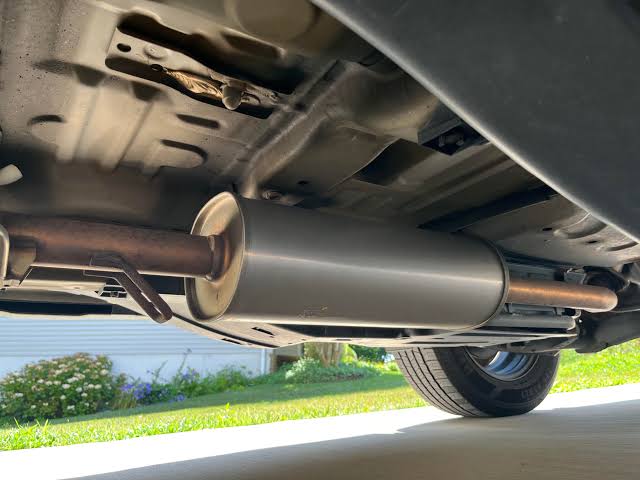
A catalytic converter's job is to chemically convert toxic exhaust gases (carbon monoxide, nitrogen oxides, unburned hydrocarbons) into less harmful stuff before it leaves the tailpipe. To do that job, the honeycomb substrate inside gets coated with platinum, palladium, and rhodium, the platinum-group metals that actually drive the chemical reaction.
Those three metals aren't cheap, and they got a lot less cheap in a hurry. Rhodium in particular went on one of the wildest runs of any commodity in recent memory, at one point trading for more than gold, more than platinum, more than almost anything else you could hold in your hand. Palladium wasn't far behind. When a chunk of metal the size of a coffee can suddenly contains a few hundred to over a thousand dollars worth of some of the rarest elements on the periodic table, and it's bolted to the underside of a car in a parking lot with zero security, you've built the perfect conditions for a crime wave.
The theft itself takes almost no skill. A cordless reciprocating saw, a jack or just enough ground clearance to slide under, and less time than it takes to pump a tank of gas. Professional theft rings figured out the economics fast: hit a parking lot at 3 AM, cut ten converters in under an hour, sell them to a scrap buyer who doesn't ask questions, and walk away with more cash than most legitimate day jobs pay. Some rings got organized enough to specialize by vehicle, know exactly which VIN ranges have the highest-yield converters, and move stolen metal across state lines before anyone even notices the theft.
🎯 Why Some Cars Get Hit And Others Never Do
If you've wondered why your neighbor's Prius got hit twice and your daily-driven sedan never has, it comes down to three things: ground clearance, converter yield, and how many of that specific car exist on the road.
Hybrids are the number one target, and it's not close. Because hybrid engines run less often and stay cooler, their converters corrode less and retain more of the precious metal coating over the car's life, which means a higher-yield converter than an equivalent gas-only vehicle. The Toyota Prius specifically became such a common target that some scrap networks reportedly paid a premium just for Prius converters by name, because buyers knew exactly what they were getting.
Trucks and SUVs are close behind, for the boring but obvious reason that they sit higher off the ground. A thief doesn't need a jack for a Ford F-250 or a Chevy Suburban. They can slide straight under standing up, cut, and be gone in under two minutes. High-clearance trucks parked in commuter lots, hospital lots, and dealership overflow lots became such reliable targets that some dealerships started welding cages around converters on their own inventory just to protect it overnight.
Older Hondas and Toyotas round out the list, mostly because they're everywhere. Sheer population density on the road means more targets in any given parking lot, and older units are easier to access without navigating newer underbody shielding.
What almost never gets hit: cars sitting low to the ground with minimal clearance, and cars where the factory design tucks the converter up tight against the frame. It's not that thieves respect a nice build, it's that time is the whole game and anything that adds thirty seconds to the job makes them move to an easier target three spots over.
🛠️ What Actually Works (And What's Mostly Theater)
Car forums are full of anti-theft advice, and a lot of it ranges from genuinely effective to almost useless. Here's what the data and the shops that deal with this daily actually back up.
Catalytic converter shields and cages are the single most effective physical deterrent that exists. These are welded or bolted steel cages that wrap around the converter and make it take five to ten times longer to cut through, sometimes requiring an angle grinder instead of a reciprocating saw, which is loud and slow enough that most opportunistic thieves bail. Several manufacturers and aftermarket shops sell direct-fit cages for the most-targeted models, and insurance companies in high-theft states have started offering premium discounts for installing one.
Etching the VIN onto the converter doesn't stop the theft, but it does two things that matter: it makes the converter traceable if police recover a batch from a scrap yard, and it makes some buyers refuse to touch it because a marked part is evidence. Several police departments run free VIN-etching events specifically because it's cheap and measurably reduces re-sale value for stolen units in that area.
Parking smart sounds too simple to matter, but it's genuinely one of the biggest factors. Thieves want speed and low visibility. A car parked nose-out against a wall, in a well-lit spot, near a camera, or in a garage instead of street parking is a meaningfully worse target than one sitting in a dark, empty lot corner. This is the free option and it works.
Alarms tuned to vibration or tilt can catch the cutting or the jacking motion and trigger before the job's finished, which is often enough to make a thief cut their losses and run without finishing. Standard factory alarms usually aren't sensitive enough to catch this on their own, which is why aftermarket shock sensors exist specifically for this.
What doesn't do much: painting the converter a bright color (a popular trend for a while, mostly cosmetic since a thief working by feel under a car in the dark isn't checking color), and standard door-based alarms that only trigger on entry, since the thief never opens a door.
📉 The Actual Timeline, Because It Happened Fast
This wasn't a slow creep. If you weren't paying attention, it's worth seeing how compressed the whole thing was.
Through most of the 2000s and early 2010s, converter theft existed but stayed a rounding-error crime, mostly hitting commercial fleets and vehicles sitting in long-term storage lots. Insurers barely tracked it as its own category because the payout for a stolen converter didn't justify the risk for most opportunistic thieves.
Then precious metal prices started climbing hard in the back half of the 2010s, and by the early 2020s rhodium had gone from a few thousand dollars an ounce to a number that made gold look cheap by comparison. Palladium followed a similar, if less extreme, curve. Insurance data trackers that had logged a few thousand converter theft claims a year suddenly logged tens of thousands, then well over a hundred thousand in a single year at the peak. Some individual metro areas reported year-over-year increases well into the triple digits.
What made it spread so fast wasn't just the price. It was how little specialized knowledge the crime required compared to the payout. Stealing a car requires bypassing an alarm, dealing with an immobilizer, finding a buyer for a hot vehicle with a traceable VIN. Stealing a converter requires a $60 cordless saw and forty-five seconds of nerve. That asymmetry between effort and reward is exactly why it became the crime of choice for opportunistic theft rings instead of a niche specialty.
🏚️ The Insurance And Legal Mess Nobody Warns You About
Getting your converter stolen isn't just a repair bill, it's a whole secondary headache most owners don't see coming until they're in it.
Comprehensive coverage typically covers converter theft, but plenty of owners running liability-only coverage (common on older paid-off cars, which are exactly the cars most likely to get hit) discover they're paying full replacement cost out of pocket. A stolen converter isn't a cheap part either. Factory-spec replacement converters, especially the ones meeting emissions requirements for your specific state, can run anywhere from several hundred to well over two thousand dollars installed, and that's before you factor in the sensors and exhaust piping that often get damaged in the cut.
Even with comprehensive coverage, there's a real gap most people don't budget for: the deductible, the rental car costs while the shop orders a compliant converter (which can take weeks depending on your state's emissions rules and the part's availability), and the fact that filing a claim, even a justified one, can nudge your premium up at renewal. Some insurers in high-theft metro areas started requiring anti-theft devices as a condition of keeping comprehensive coverage on specific high-target models, which tells you how seriously the actuarial side started taking this.
Then there's the emissions angle, which trips up a surprising number of owners. Aftermarket replacement converters have to meet EPA and, in stricter states, CARB emissions standards to be street legal. A cheap off-brand converter that isn't certified for your state can fail an inspection, leaving you back at square one after already paying for a repair. Always confirm the shop is installing a converter certified for wherever the car is actually registered, not just wherever the repair happens.
🕵️ Buying Used? Check Underneath Before You Check Carfax
There's a quieter version of this problem that hits the used car market specifically. A car that's had its converter stolen and replaced isn't inherently a red flag, plenty of perfectly good vehicles have been through it and gotten a proper factory-spec repair. But a rushed, cheap, or improperly welded aftermarket fix is a real thing to watch for when you're evaluating a used car, especially a high-target model like an older Prius or a lifted truck.
Signs worth checking before you buy: fresh weld marks or mismatched exhaust piping under the car that doesn't match factory finish, a check engine light tied to an emissions-related code (common when a non-OEM converter isn't properly matched to the car's oxygen sensors), or a seller who's vague about why there's obviously newer metal in the exhaust system next to older, rustier factory piping. None of these are dealbreakers on their own, but they're worth a direct question to the seller and, ideally, a look from someone who knows what factory exhaust work looks like versus a rushed post-theft patch job.
🚗 Where It's Headed
The good news, if there is any, is that the numbers have actually started coming down from the peak. Palladium and rhodium prices cooled off significantly from their highs, which directly softened the black-market payout per converter and made the whole crime less lucrative. Several states also passed legislation specifically targeting the sale side: requiring scrap buyers to log seller ID, VIN, and photo documentation before purchasing a converter, which closes off the easy no-questions-asked resale that made the whole scheme fast and low-risk.
None of that means it's solved. It means the economics shifted, and car culture has a long memory for how fast that can shift back. Anyone who's owned a high-clearance truck or a hybrid through the worst years of this remembers checking under their car out of habit before every drive, the same reflexive paranoia enthusiasts have about door dings and parking lot dents, just with a much more expensive repair bill attached.
If you're rolling something on Spota's playlists or hitting a Photo Op in a mall parking lot at dusk, this is exactly the kind of unglamorous, real-world car knowledge that actually matters more than horsepower numbers. Spota tip: when you're scouting a Photo Op location or parking for a meet, the same instincts that keep your converter intact (well-lit, visible, not tucked in a dead corner) also make for better shots anyway.
For more on protecting a build you've put real money into, check out the maintenance side of things in Maintenance Mistakes That Kill Cars Slowly, or browse more culture and ownership deep-dives over in Under the Hood.
Cars don't get stolen piece by piece because thieves love a challenge. They get stolen because somewhere down the chain, it's profitable and it's easy. Take away either one, and the crime wave stops finding new victims.