
🔊 That Sound You Hear Before You See the Car
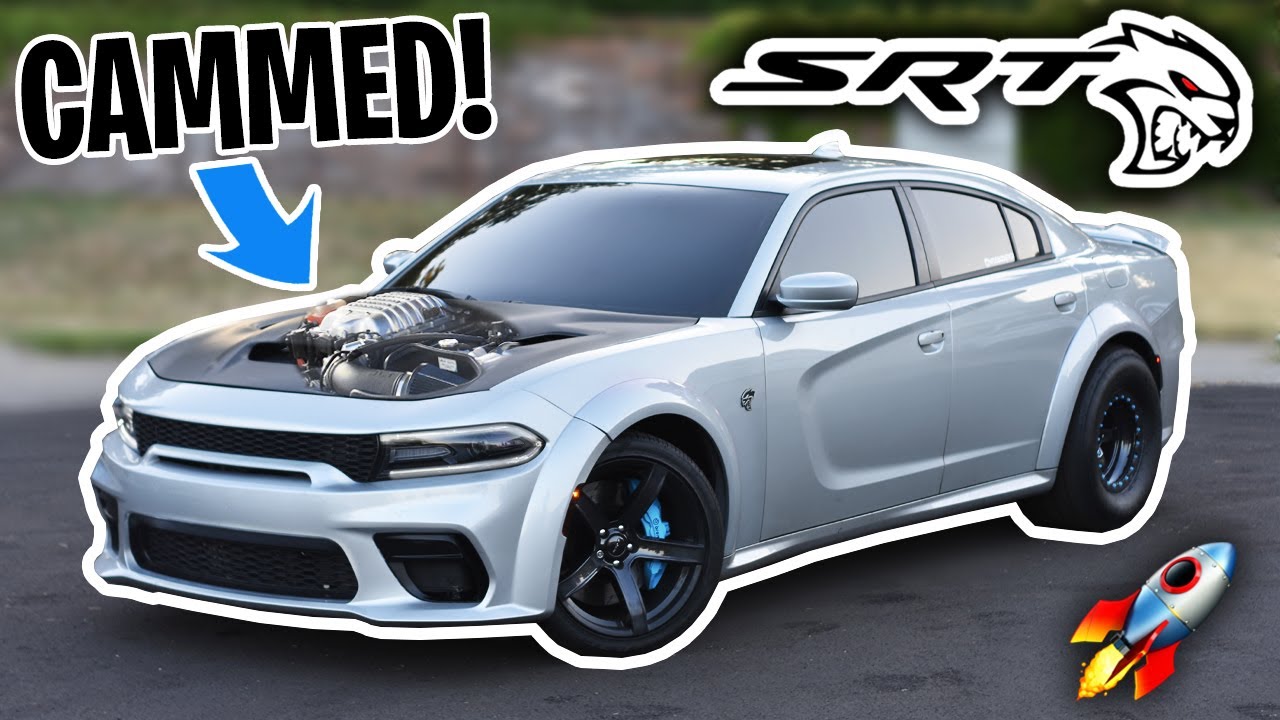
You know the sound before the car even rounds the corner. A choppy, uneven idle that sounds like the engine is fighting itself. Lopey, aggressive, almost angry at idle, then it clears up and sounds completely normal the second the driver touches the throttle.
That's a cammed engine. And that sound isn't a malfunction. It's the entire point.
Car people will drop $1,500 to $5,000 (parts and labor) to make their engine idle worse. On paper that sounds insane. You're paying real money to make your car sound like it's about to die at every stoplight. But once you understand what's actually happening inside the engine, the lopey idle stops looking like a flaw and starts looking like the most honest sound in car culture: proof that something inside is built for a different job than sitting still.
Here's the full breakdown of camshaft overlap, why it makes that sound, what you're trading away to get it, and why car guys have been chasing that idle for seventy years and counting.
⚙️ What a Camshaft Actually Does
Before overlap makes sense, you need the basics.
Every valve in your engine, intake and exhaust, opens and closes on a schedule controlled by the camshaft. Lobes on the cam push against lifters (or rockers) to open the valves at precise moments, then springs snap them shut. The shape and positioning of those lobes determines:
- Duration: how long each valve stays open, measured in degrees of crankshaft rotation
- Lift: how far each valve opens
- Lobe separation angle (LSA): the timing relationship between the intake and exhaust lobes on each cylinder
- Overlap: the period where the intake valve is opening before the exhaust valve has fully closed
A stock cam is a compromise. It's ground to make the engine idle smoothly, get decent fuel economy, pass emissions, and still make reasonable power everywhere from idle to redline. It's an engineer trying to please everybody, and like most compromises, it doesn't excel at any one thing.
An aftermarket performance cam throws that compromise out. It's ground to make big power in a specific RPM range, usually higher in the rev range, at the direct cost of low-RPM manners. And the single biggest reason it costs you those manners is overlap.
🔁 Overlap: The Part That Actually Causes the Sound
Here's the mechanism, in plain terms.
For a brief window measured in crankshaft degrees, both the intake valve and the exhaust valve are open at the same time. The exhaust valve hasn't fully closed on the previous cycle while the intake valve has already started opening for the next one. That window is overlap, and it exists on every four-stroke engine to some degree. Stock cams run a small amount, usually somewhere in the 10 to 30 degree range depending on the engine. Aggressive performance cams can push overlap well past 60 to 100+ degrees on a serious build.
Why does more overlap wreck the idle? At idle, manifold vacuum is high and the engine wants a clean, predictable charge of air and fuel in each cylinder with no interference. But with a lot of overlap:
- Exhaust gas gets pulled backward into the intake tract during that shared window (called reversion)
- That reversion disrupts the incoming air-fuel charge, making combustion inconsistent cylinder to cylinder and cycle to cycle
- Manifold vacuum drops and fluctuates instead of holding steady
- The engine computer (or carburetor, on older builds) is trying to meter fuel for a vacuum signal that won't sit still
The result is combustion events that don't happen with the same strength or timing every single time. Cylinder to cylinder, and even lap to lap in the same cylinder, you get slightly different burns. That's the mechanical root of the "lope": it's not one thing malfunctioning, it's dozens of small, inconsistent combustion events per second all fighting for control of engine speed at once. The engine is constantly hunting for a stable idle and never quite finding it, which is exactly what you hear as that chopped, uneven rhythm.
The instant you get into the throttle and RPM climbs, that same overlap starts working for you instead of against you. Higher up the rev range, that reversion effect helps scavenge exhaust gas out of the cylinder and pull a denser intake charge in behind it, which is precisely why a cammed engine that idles like garbage can make serious power at 5,000+ RPM. The lope and the power are the same trait, viewed at two different points on the tachometer.
🎯 Lobe Separation Angle: The Dial That Tunes the Lope
If overlap decides whether you get lope, lobe separation angle decides how much.
LSA is the angle between the centerlines of the intake and exhaust lobes, and it's one of the main levers cam manufacturers use to shape a cam's personality.
- Wide LSA (like 112-116 degrees): Less overlap, smoother idle, broader powerband, more streetable. Common on cams marketed as "mild" street cams.
- Tight LSA (like 106-110 degrees): More overlap, a deeper, choppier lope, narrower and often higher-RPM powerband. Common on the cams people actually buy for the sound.
This is why two cars with the same duration numbers can idle completely differently. It's not just how long the valves stay open, it's how the intake and exhaust events line up relative to each other. A tuner who wants a wild idle for show, or a racer who genuinely needs the top-end scavenging, will spec a tighter LSA on purpose, fully accepting the rough idle as the cost of doing business.
Spota tip: if you're building a cammed car specifically to turn heads at a meet, LSA is the spec to actually understand before you buy a cam off a forum recommendation. Duration gets all the attention in comment sections, but LSA is doing most of the work on how it sounds sitting still.
🐍 The Small-Block Chevy Made This Sound Famous, But It's Not the Only One
Ask most people to picture a lopey idle and they'll picture a small-block Chevy with a mild aftermarket cam: that classic American hot rod idle that's been the soundtrack of car shows since the 1960s. It's iconic for a reason, and a huge amount of the aftermarket cam industry still exists to sell that exact sound to LS and small-block guys building anything from a resto-mod to a swapped project car.
But overlap-driven lope isn't a small-block-only phenomenon. It shows up anywhere a cam is ground for high-RPM output at the cost of low-RPM smoothness:
- Domestic muscle (small-blocks, LS engines, big-blocks): the classic, most recognizable lope, deep and mechanical
- Import performance builds (B-series and K-series Hondas, Subaru boxer engines, Mitsubishi 4G63s): sharper, higher-pitched lope, often paired with aggressive intake and exhaust setups that make it even more pronounced
- Naturally aspirated race builds across the board, where a wild solid-roller or mechanical cam is basically mandatory to hit peak power, and a smooth idle simply isn't part of the design brief
If you've spent any time in a Discord server, a forum thread, or standing in a parking lot at a meet arguing about the "best sounding" cammed idle, you've probably noticed people get tribal about which platform lopes best. That's a real debate with real engineering differences behind it (bore/stroke, firing order, and exhaust design all shape the tone), but the underlying cause, overlap disrupting idle-speed combustion stability, is identical across every single one of them.
💰 What You're Actually Trading Away
This is the part that gets glossed over in build threads that only show off the sound clip. A lopey cam is a genuine engineering trade-off, not a free mod, and it's worth being honest about the downsides before you spend the money.
Fuel economy takes a real hit. An engine idling on an unstable combustion cycle isn't burning fuel efficiently, and the same cam that hurts low-RPM manners usually hurts low-RPM torque and part-throttle drivability too. Don't expect a cammed daily to match its old mileage numbers.
Emissions compliance gets harder. That reversion effect and inconsistent combustion play badly with catalytic converters and factory emissions equipment. A lot of aggressive cams are sold explicitly as "off-road use only" for a reason, and depending on your state's smog laws, a wild lope can be a genuine liability at inspection time.
Low-speed drivability suffers. Stop-and-go traffic, parking lot maneuvering, sitting at idle in the drive-thru: a heavily cammed engine is worse at all of it. Some builds are lopey enough that they'll actually stall if you're not managing the throttle and idle air control carefully.
It's not free, and it's not simple. A cam swap on most engines means pulling the intake manifold at minimum, and often the timing cover, valve covers, and more depending on the platform. It's a real job, and if you're pairing a wild cam with the right valve springs, a tune, and supporting mods to actually make use of it, you're realistically looking at $1,500 to $5,000+ depending on the engine and how far you take it. A cheap cam swap done wrong (wrong springs, no tune, mismatched components) is one of the more common ways to turn a fun sound project into an expensive lesson.
Idle quality is genuinely unpredictable without a proper tune. This is why "just throw a cam in it" advice on forums gets so many people in trouble. Get the supporting mods wrong and instead of a clean, aggressive lope you get a rough, stalling mess that idles poorly and doesn't make the power gains you were chasing in the first place.
🏁 Why Car Guys Pay For It Anyway
None of that stops people from doing it, and honestly, it shouldn't.
The lopey idle survives as one of car culture's most enduring flexes because it's an honest signal. You can't fake it with a speaker or an app. A lopey idle means somebody opened up the engine, made a real mechanical decision, and accepted a real daily downside in exchange for a specific kind of character and, usually, a specific kind of power delivery higher in the rev range. It's the mechanical equivalent of choosing form and function, where the "form" happens to be an audible signature that broadcasts what's under the hood before anyone even sees the car.
There's also a status layer to it that's impossible to separate from the sound itself. A rough idle at a stoplight is a flex precisely because it's inconvenient. Anyone can bolt on a loud exhaust. Fewer people are willing to live with a car that idles like it might die every time they're stuck behind a light, which is exactly why the ones who do it get respect for it in enthusiast circles.
And there's a real functional case underneath the flex, especially on cars actually built to be driven hard. If you're building a naturally aspirated engine to make power at 6,000+ RPM, whether it's headed to the drag strip, an autocross course, or just a canyon road on the weekend, a cam ground for high-RPM overlap isn't a vanity choice. It's genuinely how you get there. The rough idle is a side effect of a real performance decision, not the goal by itself, even if plenty of builders will happily tell you otherwise at a meet.
🔗 Where This Fits in the Bigger Picture
The lopey idle sits right alongside a handful of other "sounds and looks" that car culture has turned into full-blown identity markers, the same way big turbos have their own culture of debated sounds and modifications, or the way a built LS swap signals a very specific kind of build philosophy before you even hear it run. If you're deep enough into engine builds to be considering a cam swap, you're probably also the kind of person who'd get something out of Spota's Garage feature: it's built for logging exactly this kind of mod history, from the cam spec and LSA you chose down to the tune revision, so the story of the build (and the reasoning behind every trade-off) doesn't just live in your memory or a forum post that gets buried in six months.
If you're chasing this build and want to actually hear a few in person before committing your own money to a cam kit, that's a legitimate reason to go find a meet. Spota's Playlists and Photo Ops are built around exactly that kind of real-world car hunting, minus the guesswork of hoping the right builds show up.
🎤 The Bottom Line
A lopey idle isn't a defect and it isn't an accident. It's camshaft overlap, a deliberate engineering trade-off where the same valve timing that scavenges exhaust and packs in intake charge at high RPM also wrecks the engine's ability to hold a clean, stable idle. Wider overlap and a tighter lobe separation angle mean a deeper, choppier lope and (usually) a narrower, higher-RPM powerband. Less overlap and a wider LSA mean a smoother idle and less drama, at the cost of that unmistakable sound.
Nobody buys a cammed engine because they misunderstood the trade-off. They buy it because the trade-off, in their opinion, is worth it. The rough idle is the receipt.
❓ FAQs
What causes a lopey idle in cammed engines?
Camshaft overlap, the period where both the intake and exhaust valves are open at the same time. It causes exhaust gas reversion into the intake tract at idle, which makes combustion inconsistent cylinder to cylinder and creates the choppy, uneven idle speed people call "lope."
Does a lopey cam hurt gas mileage?
Yes, generally. The same overlap that disrupts idle combustion also tends to reduce low-RPM torque and part-throttle efficiency, so most cammed engines see a real fuel economy hit compared to their stock cam, especially in daily stop-and-go driving.
Is a lopey idle bad for the engine?
Not inherently. A properly matched cam, valve springs, and tune don't damage the engine, they just change its power delivery and idle characteristics. Problems usually come from mismatched components or a missing tune, not from the lope itself.
How much does it cost to install a performance camshaft?
Most cam swaps with supporting parts (valve springs, gaskets, a tune, and labor) run somewhere between $1,500 and $5,000, depending on the engine platform and how aggressive the build gets. Doing it without a proper tune is a common and expensive mistake.
What is lobe separation angle and why does it matter?
Lobe separation angle (LSA) is the timing relationship between a cylinder's intake and exhaust cam lobes. A tighter LSA increases overlap and produces a deeper, choppier idle and often a narrower powerband. A wider LSA reduces overlap for a smoother idle and broader, more streetable power.
Can you make a cammed engine idle smoothly?
To an extent. Idle air control adjustments, a proper tune, and choosing a cam with less aggressive overlap and a wider LSA can all smooth things out. But a genuinely wild lope is a direct result of the overlap needed for serious top-end power, so there's always a real trade-off between idle smoothness and high-RPM output.
Every lopey idle is a small confession: somebody decided that sounding like this at a stoplight was worth it. Camshaft overlap is the mechanism. The rest is just car culture doing what it does best, turning an engineering compromise into a flex.