
😰 The Question Every Car Guy Asks Before They Buy a Single Part
You just picked up a bolt-on intake. Maybe a cat-back exhaust. Maybe you're staring at a $600 tune file wondering if today's the day you finally unlock the power your car's been hiding since the factory choked it out.
Then the thought creeps in: "Wait, does this void my warranty?"
It's the single most common question in every car forum, every subreddit, every group chat with a build thread attached to it. And the honest answer is messier than anyone wants to admit. There's a federal law that's supposed to protect you. There's what dealerships actually do in practice. And there's a giant gray zone in between where most enthusiasts get burned.
This isn't legal advice. It's the reality of how warranty denials actually play out for car people, and what you can do to stack the odds in your favor before you ever pop the hood.
⚖️ The Law Everyone Half-Remembers: Magnuson-Moss
What It Actually Says
Back in 1975, Congress passed the Magnuson-Moss Warranty Act. Every car guy has heard of it. Almost nobody has actually read it, and that's where the confusion starts.
The core idea is simple: a manufacturer cannot void your entire warranty just because you installed aftermarket parts. Full stop. A dealer can't legally say "you have a cold air intake, so your powertrain warranty is dead" and leave it there.
Here's the actual standard the law sets:
- The manufacturer (or dealer) has to prove the aftermarket part caused the specific failure you're claiming under warranty.
- They can only deny the claim for the component that was actually damaged, not your entire vehicle warranty.
- The burden of proof is on them, not you.
So if you've got a cat-back exhaust and your transmission fails, that exhaust has nothing to do with your transmission. Under Magnuson-Moss, that claim should be covered. If your supercharger tune fried a piston, that's a different story, and they'd have a real case.
Why It Doesn't Feel Like That in Real Life
Here's the disconnect. The law says the dealer has to prove causation. In practice, a lot of service advisors and techs either don't know the law that well, don't care, or bank on the fact that you don't know it either.
Walk in with a visible intake, a tune, or an aftermarket exhaust, and it's incredibly common to hear some version of "well, you modified the car, so that's on you now." That's not how the law works, but it works often enough as a scare tactic that most people just eat the repair cost and walk away.
This is the core tension that makes every enthusiast nervous about mods: the law protects you, but enforcement depends on you knowing your rights and being willing to fight for them.
🔧 What Dealers Actually Look For
Not every mod gets the same scrutiny. Service departments have informal (and sometimes very formal) checklists for what raises a red flag during a warranty inspection.
High-scrutiny mods (almost always get flagged):
- ECU tunes and piggyback modules (these directly touch engine and transmission calibration, and dealers can often pull tune logs remotely)
- Forced induction upgrades (bigger turbos, superchargers, pulleys): obvious visual and dyno-detectable changes
- Suspension modifications on vehicles with electronic damping: messing with ride height sensors or adaptive suspension wiring
- Aftermarket ECUs or standalone engine management: a dead giveaway the factory tune is gone entirely
Medium-scrutiny mods (depends on the failure):
- Cat-back or axle-back exhaust systems
- Cold air intakes and intake tubes
- Lowering springs (non-electronic suspension)
- Aftermarket wheels and tires (usually fine unless there's a bearing or hub failure)
Low-scrutiny mods (rarely an issue):
- Cosmetic changes: wraps, tint, badges, interior trim
- LED interior lighting (not headlights, that's a separate legal mess)
- Floor mats, seat covers, and other non-mechanical accessories
The pattern is obvious once you see it laid out: anything that touches the powertrain's tune or airflow logic gets the most attention, because it's the easiest to argue caused a related failure. Anything purely cosmetic almost never comes up.
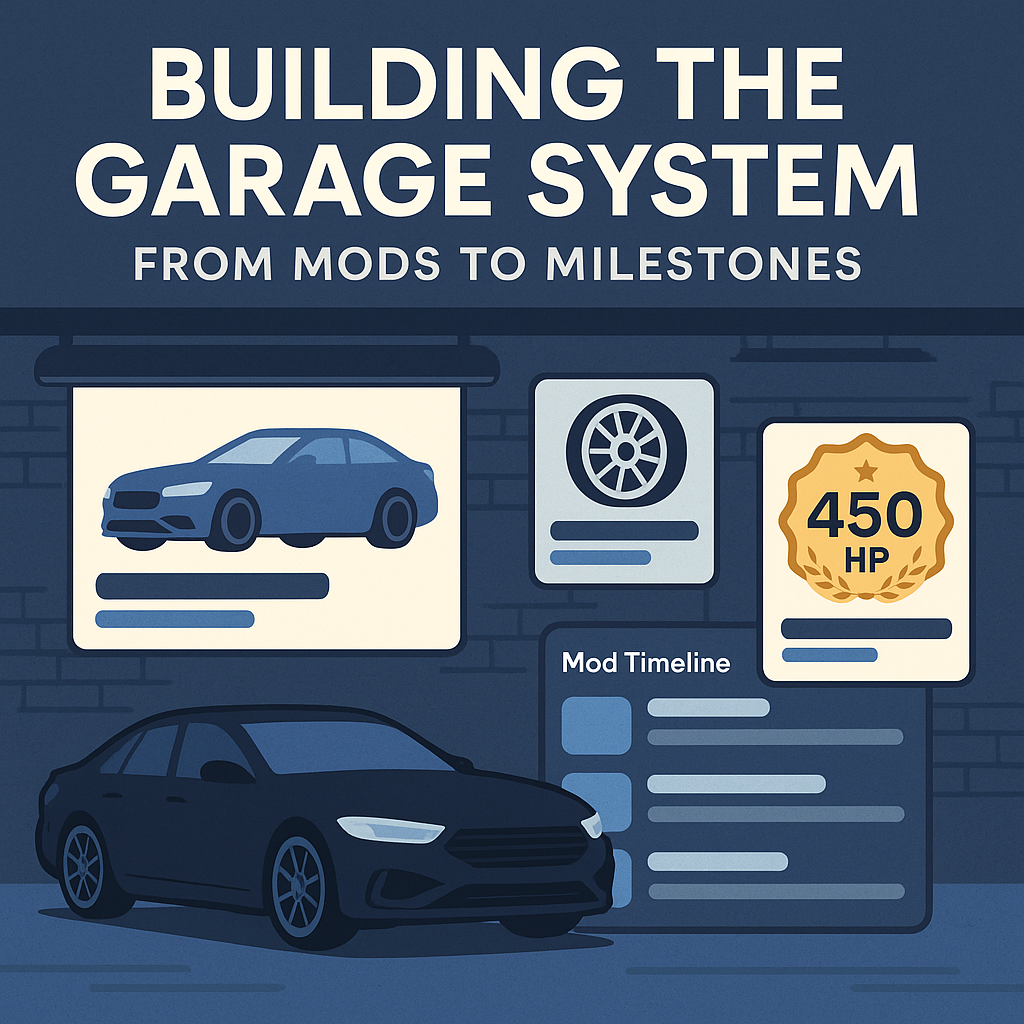
Spota tip: a lot of Garage profiles on the app track exactly this kind of mod timeline, tune date, part installed, mileage at the time. That history is genuinely useful if you ever need to show a repair happened long after a mod, not because of it.
💻 How Dealers Actually Catch a Tune
This is the part that surprises people who think they can just "flash it back to stock" before a dealer visit and get away clean.
Tune logs live in more places than you think:
- ECU flash counters: many modern ECUs log how many times they've been reflashed, even after reverting to stock. A tech pulling codes can sometimes see a flash history that doesn't match factory service records.
- Aftermarket tuning company servers: companies like HP Tuners, Cobb, and others log tune files tied to a VIN. If a dealer or manufacturer requests records (which happens more in high-dollar warranty disputes), that history can surface.
- Knock sensor and fuel trim data: even reverted to stock, a car that was run lean or with aggressive timing can show wear patterns or logged fault codes that hint at abuse.
- Visual inspection during any service visit: a tune that changes idle behavior, exhaust note, or throttle response is often obvious to a tech within seconds of a test drive.
This is why the "flash it back and hope" strategy works less often than car forums make it sound. It can work for a routine oil change. It's a much riskier bet when you're bringing the car in specifically because something broke.
🛠️ The Right Way to Protect Yourself
If you're genuinely trying to mod your car without setting yourself up for a fight, there are real, practical steps that make a difference.
1. Keep meticulous records. Every mod, every install date, every mileage reading. If a component fails that has nothing to do with your mods, you want a paper trail proving the timeline. A shared Google Doc, a spreadsheet, or a build thread with dated posts all count. So does a Garage profile that timestamps mods automatically.
2. Understand "component-level" denial. Even in a worst case, a dealer can typically only deny warranty coverage on the specific system tied to the mod, not the entire car. A cold air intake shouldn't touch your transmission warranty. A tune absolutely can touch your engine and transmission warranty, since it changes how both are commanded to behave.
3. Know when to escalate. If a dealer denies a claim you believe is unrelated to your mods, you have options beyond just accepting it:
- Ask for the denial in writing, with the specific technical reasoning
- Contact the manufacturer's regional customer service line directly, not just the dealer
- File a complaint with the Federal Trade Commission, which enforces Magnuson-Moss
- Consult a warranty-specific attorney for high-dollar disputes (many work on contingency for clear-cut cases)
4. Consider an aftermarket warranty for heavily modified builds. Once a car is modified past what most manufacturer warranties realistically cover in good faith, some enthusiasts shift to aftermarket or performance-specific warranty providers that are built around modified vehicles from the start. It's not cheap, but it removes the ambiguity entirely.
5. Time your mods strategically. Some enthusiasts wait until the factory warranty is closer to expiring, or has already expired, before doing anything that touches the ECU or forced induction. It's not the most exciting answer, but it's the lowest-risk one if you genuinely can't afford a denied claim.
🧾 The Extended Warranty Trap
There's a second layer to this that catches people off guard: third-party extended warranties and service contracts are often far stricter than the factory warranty, and far less protected by Magnuson-Moss in practice.
Some extended warranty providers write exclusions directly into the contract that say any modification voids the entire contract, not just the affected component. That's legally shakier ground for them, but if you signed a contract agreeing to those terms, you've got a much harder fight than you would with a manufacturer's original warranty.
Before buying an extended warranty on a car you plan to modify:
- Read the modification clause word for word, not the sales pitch
- Ask specifically whether it's component-level or whole-contract denial
- Look for providers that explicitly market themselves to enthusiasts and modified builds
- Get any verbal promises from the salesperson in writing
This is the single most overlooked part of the warranty conversation. People obsess over the factory warranty and completely ignore that their $3,000 extended service contract has far weaker protections than federal law gives them on the original one.
🚗 Why This Fear Runs So Deep in Car Culture
Step back from the legal specifics and there's a real cultural pattern here. Car people are constantly weighing want against risk. You want the power, the sound, the look. But you also know that one denied claim on a $4,000 transmission repair can wipe out years of careful saving.
That tension is why warranty questions dominate every car forum thread about a new part. It's not paranoia, it's pattern recognition. Enough enthusiasts have gotten burned by an overzealous service advisor that the fear has become part of the culture itself, passed down in build threads and cautionary Reddit posts the same way "always check your oil before a road trip" gets passed down.
The good news is that the actual law is more on your side than the fear suggests. The bad news is that knowing the law and getting a dealer to respect it in the moment are two very different battles.
If you're deep into a build and want a place to actually document your mod timeline (what went in, when, and at what mileage) a Garage profile does exactly that automatically, which is worth having on hand the day you actually need to prove your side of the story.
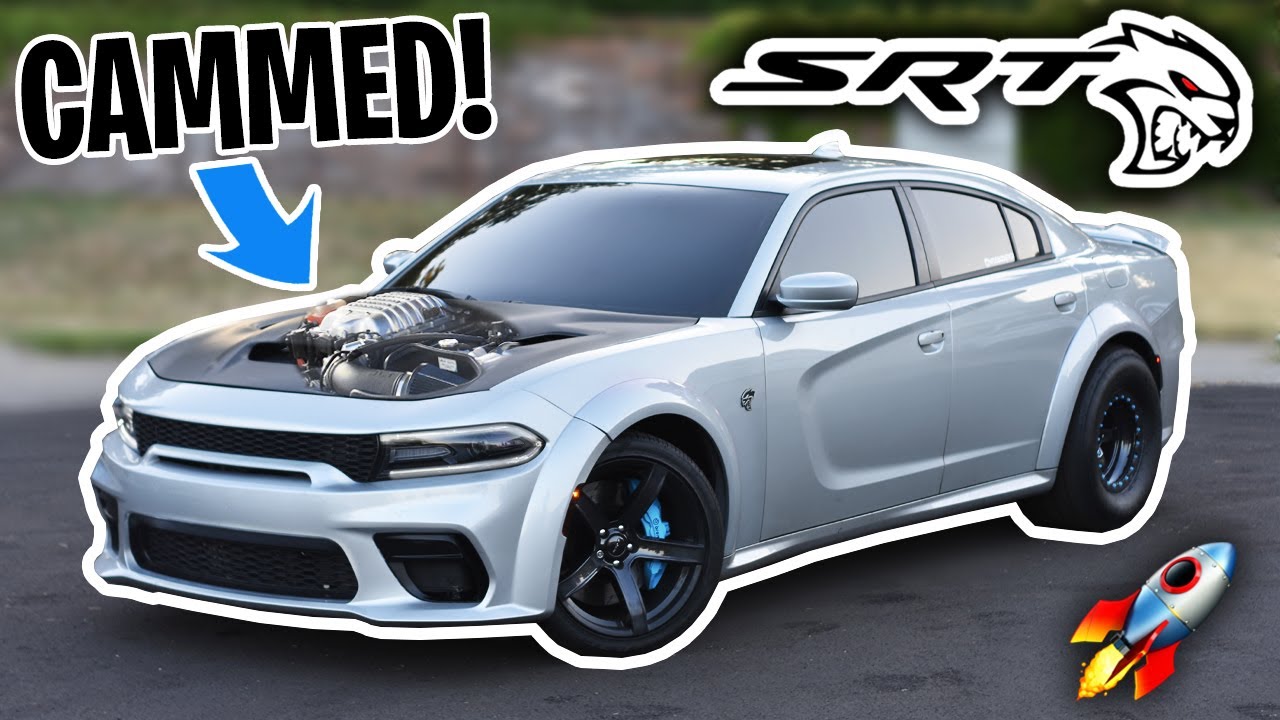
For more on where warranty concerns intersect with specific platforms, check out why every Hellcat owner is on borrowed time or browse more under-the-hood explainers.
Mod smart, keep your receipts, and don't let a scare tactic at the service counter cost you a claim you were always entitled to.