
🩹 The Five-Minute Warranty
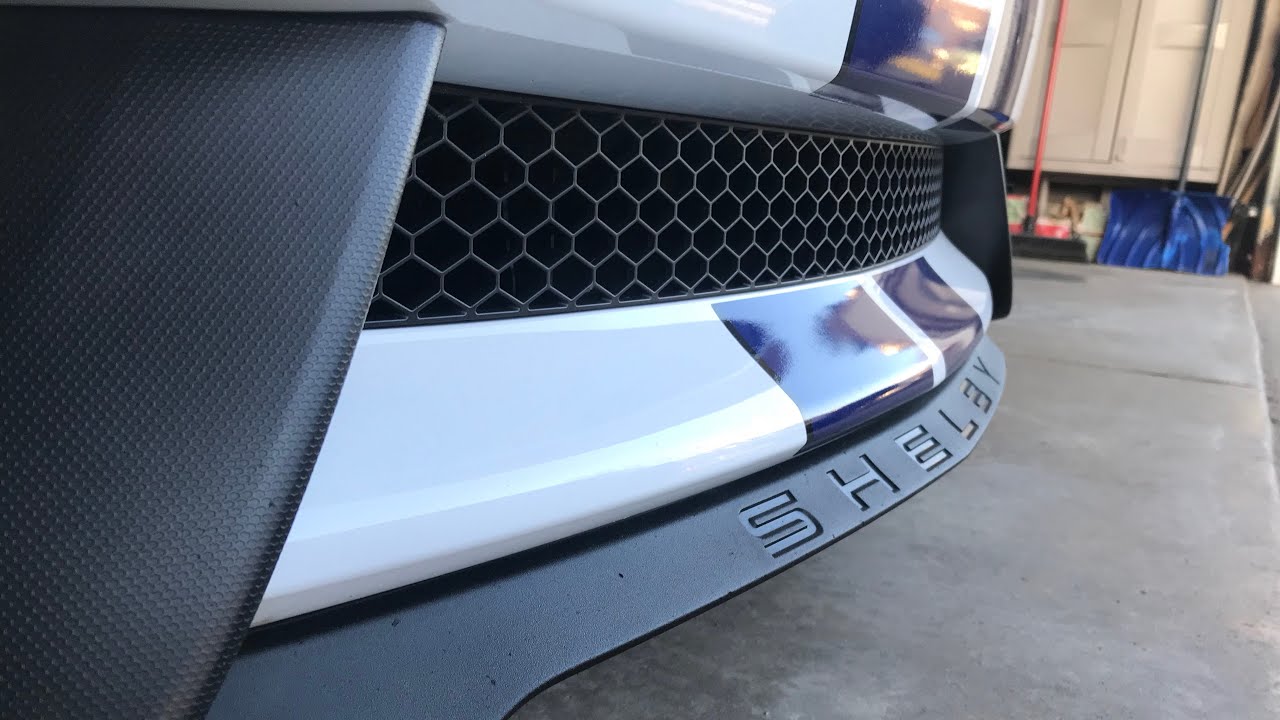
You just dropped $400 on a front lip. Maybe it's carbon fiber, maybe it's ABS plastic, maybe you paid a shop to paint-match it perfectly. It looks incredible bolted to the car. You post it. You get compliments.
Then you pull out of your own driveway and hear it: that unmistakable crunch-drag sound of fiberglass meeting concrete.
Welcome to front lip ownership. The mod with what car people jokingly call a "five-minute warranty," because that's roughly how long it survives before the first scrape.
This isn't bad luck. It isn't a badly designed part. It's physics, and once you understand it, you'll realize almost every front lip on the road is fighting a battle it can't win.
Let's break down why this happens to literally everyone, and what actually helps versus what's just expensive theater.
📐 The Math Nobody Does Before Buying
Stock Ground Clearance Isn't the Problem, Lowering Is
Most cars roll off the factory line with somewhere between 5 and 7 inches of front clearance. That's enough to clear speed bumps, steep driveways, and parking curbs without drama.
Add a front lip, and you've already eaten 1 to 3 inches of that clearance depending on how aggressive the design is. Lower the car on coilovers or springs, and you can easily be down to 3 inches or less at the very front edge, which is usually the lowest point on the entire car.
The math is brutal:
- Stock clearance: 6 inches (average)
- Minus lip depth: -2 inches
- Minus a 1.5-inch drop: -1.5 inches
- Remaining clearance: 2.5 inches
A standard speed bump is 3 to 4 inches tall. A steep driveway apron can create an effective clearance drop of 4+ inches at the transition point. You don't need to hit a pothole to destroy a lip. You need to exist in a world that has driveways.
The Angle of Attack Problem
It's not just height, it's angle. As your front bumper approaches an incline, the lip's leading edge hits the ground before the tires do, because it extends forward and down past the bumper's natural arc.
This is why cars that "should" clear something based on ground clearance numbers alone still scrape: the lip changes the geometry of the approach angle, not just the static height.
🔨 What's Actually Happening When It Scrapes
The Materials Fighting a Losing Battle
Front lips come in a handful of materials, and none of them are actually designed to survive repeated ground contact:
- ABS plastic: Cheap, flexible, but wears through and cracks with repeated flexing
- Polyurethane (PU): More flexible, bounces back better, but still abrades and can tear
- Fiberglass: Rigid and lightweight, but brittle. It doesn't flex, it cracks
- Carbon fiber: Strongest per weight, but also brittle under impact and the most expensive to replace
The cruel irony: the materials that look and sound the most premium (carbon fiber, fiberglass) are the ones that shatter instead of flex. A cheap PU lip will often survive abuse that destroys a $1,200 carbon one.
Chipping vs. Cracking vs. Ripping Off
Damage happens in stages, and most owners go through all three eventually:
- Chipping: Small edge damage from curb scrapes and light contact, mostly cosmetic
- Cracking: Stress fractures from repeated flex, usually starting at mounting points
- Full separation: The lip catches something at speed or on an incline and rips partially or completely off, sometimes taking mounting tabs and paint with it
That third one is the nightmare scenario, and it's more common than people admit. A lip that catches a parking block wrong at 15 mph doesn't just scrape, it can fold backward and tear the mounting hardware clean out of the bumper.
🛡️ What Actually Works (And What's Snake Oil)
Lip Guards and Splitter Protection Film
The single most effective fix is also the least glamorous: clear urethane film applied directly to the underside and leading edge of the lip. Brands like XPEL, 3M, and STEK make lip-specific kits.
Why it works:
- Sacrificial layer absorbs abrasion instead of the lip material
- Doesn't change ride height or clearance
- Can be replaced without removing the whole lip
- Nearly invisible when installed correctly
Cost: $80 to $250 depending on coverage and whether you DIY it or pay a shop.
Spota tip: if you're documenting a build on your Garage timeline, log the film install date. It's the kind of maintenance detail that actually matters when someone asks "how'd you keep this thing intact" in your Club chat.
Adjustable Lip Splitters and Rubber Lips
Some aftermarket lips are designed with a flexible rubber or urethane trailing section specifically so the leading edge can fold up under impact and spring back instead of cracking. These trade a small amount of aero performance and visual sharpness for durability.
Reality check: if you daily drive a car with any real lowering, a rigid carbon or fiberglass lip is a cosmetic choice you're making with your eyes open. A flexible lip is the only way to have both a lip and a functioning driveway relationship.
Front Lift Systems
For cars with real money already invested, hydraulic or air-actuated front lift kits (HeightSensing Technology from companies like Air Lift Performance, or dedicated lift systems) raise the front end 1.5 to 2.5 inches at the push of a button, then drop back down once you clear the obstacle.
Cost: $2,500 to $5,000+ installed. This is a real investment, not a casual purchase, but for anyone tracking a genuinely low, splitter-equipped car through daily driveways, it's often the only solution that doesn't involve constant repairs.
What Doesn't Really Work
- Driving at an angle over bumps: Helps marginally but doesn't solve steep driveways
- "Just be careful": You will forget, at the worst possible moment, guaranteed
- Thicker lip material: Often makes cracking worse since rigid, thick sections have less give
- Ignoring it and just replacing lips repeatedly: Common, expensive, and how most car guys actually handle it
💸 The Real Cost of Doing Nothing
Car people talk about lip damage like it's a rite of passage, and there's truth to that, but the costs add up fast if you're not proactive:
- Repaint and respray after a crack: $150 to $400 per repair
- Full lip replacement: $200 to $2,000+ depending on material and brand
- Mounting hardware and bumper repair after a full separation: $300 to $800
- Paint correction for the inevitable curb rash on the bumper itself: $150 to $500
Compare that to a $150 protection film kit applied once, and the math makes the "boring" solution look a lot smarter than the flex.
📏 How to Actually Check Your Risk Before You Buy
Most people buy a lip based on how it looks in a render, then find out the hard way what it does to their clearance. A better approach takes ten minutes.
Before installing anything:
- Measure your current lowest front point (usually the front subframe or bumper lip) with the car on level ground
- Check the lip manufacturer's spec sheet for how far down and forward it extends from the bumper's mounting point, not just its visual depth
- Subtract the lip's added depth from your current clearance to get your real-world number
- Walk your actual daily route (your driveway, your garage's ramp, the curb cuts you use most) and estimate the worst transition height you'll hit regularly
A rough safety guide:
- 4+ inches of remaining clearance: Most daily driveways and speed bumps are fine at a normal approach angle
- 2.5 to 4 inches: You'll scrape occasionally, plan on protection film as mandatory, not optional
- Under 2.5 inches: You are buying a lip that will require constant awareness, a flexible material, or a lift kit. There's no version of this where it just works out
The number that actually matters isn't your car's spec sheet ground clearance. It's the clearance at the single lowest point of the lip's leading edge, measured after the lip and any lowering springs are already installed. That's the number that meets the pavement.
The Mistake Almost Everyone Makes
The most common error isn't measuring wrong, it's not measuring at all. People buy the lip that looks best in photos, get it installed at a shop, and only discover the real clearance number the first time they pull into their own driveway. By then the crack is already there, the receipt is already signed, and the only options left are protection film after the fact or a full replacement.
Measure first. It's free, and it's the only step in this entire process that actually prevents damage instead of just managing it after it happens.
🗣️ Why Owners Keep Buying Them Anyway
Ask around any car meet and you'll hear some version of the same story: someone cracked their lip in the first week, fixed it, and cracked it again within a month. Ask why they didn't just remove it, and the answer is almost always some version of "because it makes the car look finished."
The common sentiments:
- "I've replaced this thing three times and I'd do it again"
- "The second I take it off, the car looks unfinished"
- "I know exactly which three spots in my city will kill it, and I still hit one occasionally"
- "Protection film should come standard with every lip kit, honestly"
- "It's not if it cracks, it's how many times before you stop caring"
That last one is closer to the truth than most people admit. There's a point where lip damage stops being a crisis and just becomes part of owning a lowered car with real aero, the same way stone chips are part of owning any car that actually gets driven.
🅿️ The Driveway Diplomacy Every Lip Owner Learns
Ask anyone running a real splitter setup and they'll tell you the same thing: you develop an entire mental map of every bad transition in your city. The steep apron at your own house. That one gas station with the raised curb cut. The parking garage ramp that eats front lips for breakfast.
You learn to approach everything at an angle, find the shallow spot in a curb cut, or just get out and look before committing. It's a skill, and every serious lip owner has it whether they wanted to learn it or not.
If you're hunting good, low-stress cruising routes and photo spots that won't turn your lip into confetti, that's exactly the kind of local knowledge that gets shared in Spota's city playlists and Club chats: the good ramps, the smooth lots, the places worth the drive.
🏁 The Bottom Line
Every front lip cracks eventually because the math never favors it: lowered ride height, an aggressive leading edge, and a world full of driveways, speed bumps, and parking blocks that don't care how much you paid.
The owners who keep their lips intact longest aren't the ones who got lucky. They're the ones who put protection film on day one, learned their city's bad angles, and accepted that a little flex in the material beats a lot of pride in the rigidity.
It's not a design flaw. It's the tax you pay for looking that good that low to the ground.
❓ FAQs
Why does my front lip keep scraping even on "normal" roads?
Lowering a car reduces clearance disproportionately at the front lip because it's usually the lowest point on the car and extends forward past the bumper's natural angle. What feels like a normal driveway or speed bump can easily exceed your remaining clearance.
What's the best material for a front lip that won't crack?
Flexible polyurethane (PU) lips handle repeated impact better than rigid fiberglass or carbon fiber, which are strong but brittle. If durability matters more than looks, PU is the practical choice.
Does lip protection film actually work?
Yes. Clear urethane film applied to the underside and leading edge absorbs abrasion that would otherwise chip or crack the lip material directly, and it can be replaced without removing the whole lip.
How much clearance do I lose by adding a front lip?
Most lips reduce front clearance by 1 to 3 inches depending on how aggressive the design is, on top of whatever height you've already lost from lowering springs or coilovers.
Are front lift kits worth it?
For a car with a genuinely low, splitter-equipped front end that gets driven daily, yes. They're expensive ($2,500+), but far cheaper over time than repeated lip replacements and bumper repairs.
Can a cracked front lip be repaired instead of replaced?
Small cracks in fiberglass or carbon fiber can sometimes be repaired with resin and reinforcement, but the repair rarely matches the original strength. For anything beyond minor cosmetic cracking, replacement is usually more reliable.
A front lip is proof you're willing to sacrifice practicality for presence. Just make sure you're sacrificing plastic and not your entire bumper.