
🌊 The Car That Looked Perfect Until It Didn't
You've heard the story, or lived it. Clean title. Great price. Seller says it was "garage kept." Three months later the infotainment screen starts flickering, the power windows die one at a time, and there's a smell in the carpet you can't quite place no matter how many times you shampoo it.
That's not bad luck. That's a flood car.
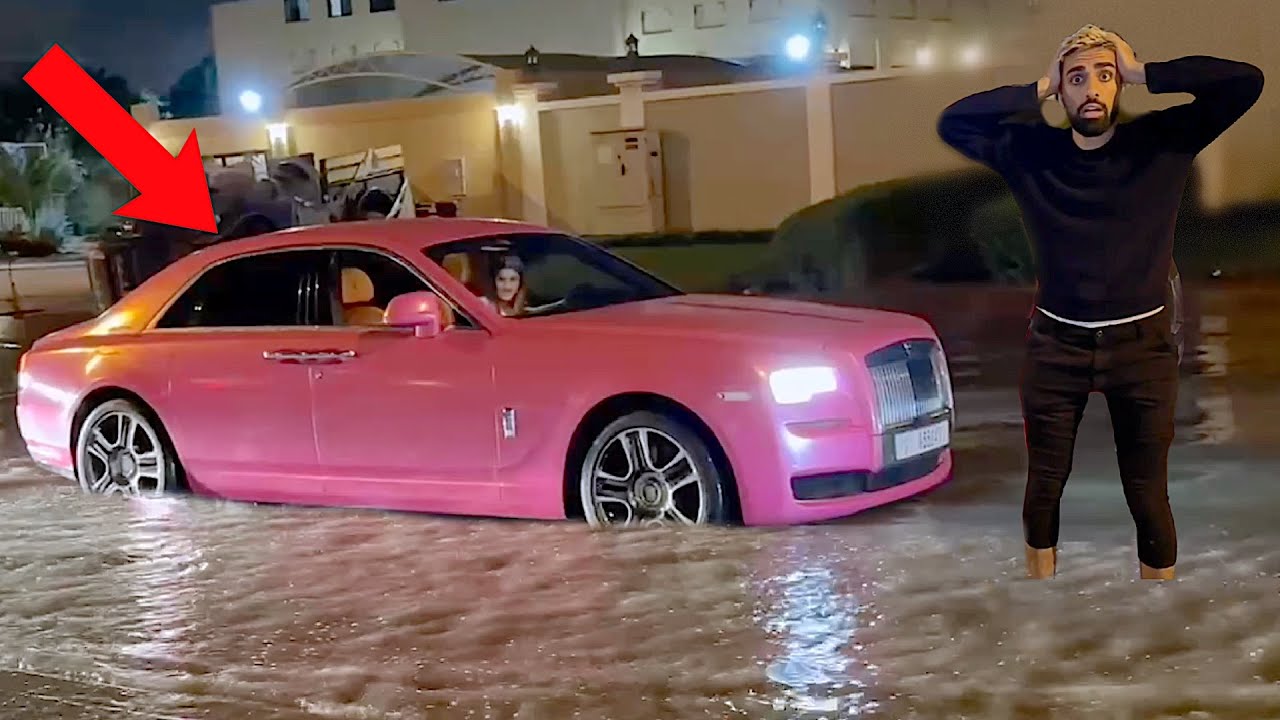
Every year, hurricanes, flash floods, and storm surges push tens of thousands of vehicles underwater in a matter of hours. Some get scrapped the right way. A huge number of them don't. They get bought at salvage auctions, dried out just enough to start, and quietly funneled back into the used market wearing a title that says nothing happened.
Car people obsess over head gaskets and rod bearings because those failures are at least honest. Flood damage is different. It's patient. It doesn't fail on day one, it fails six months in, in ten different systems at once, and by the time it does, the seller is long gone.
Here's how flood cars actually get from underwater to your driveway, why the paper trail keeps failing to stop it, and the checklist real car people use to catch one before it becomes their problem.
🏚️ How a Flooded Car Becomes "Clean" Again
The Insurance Path
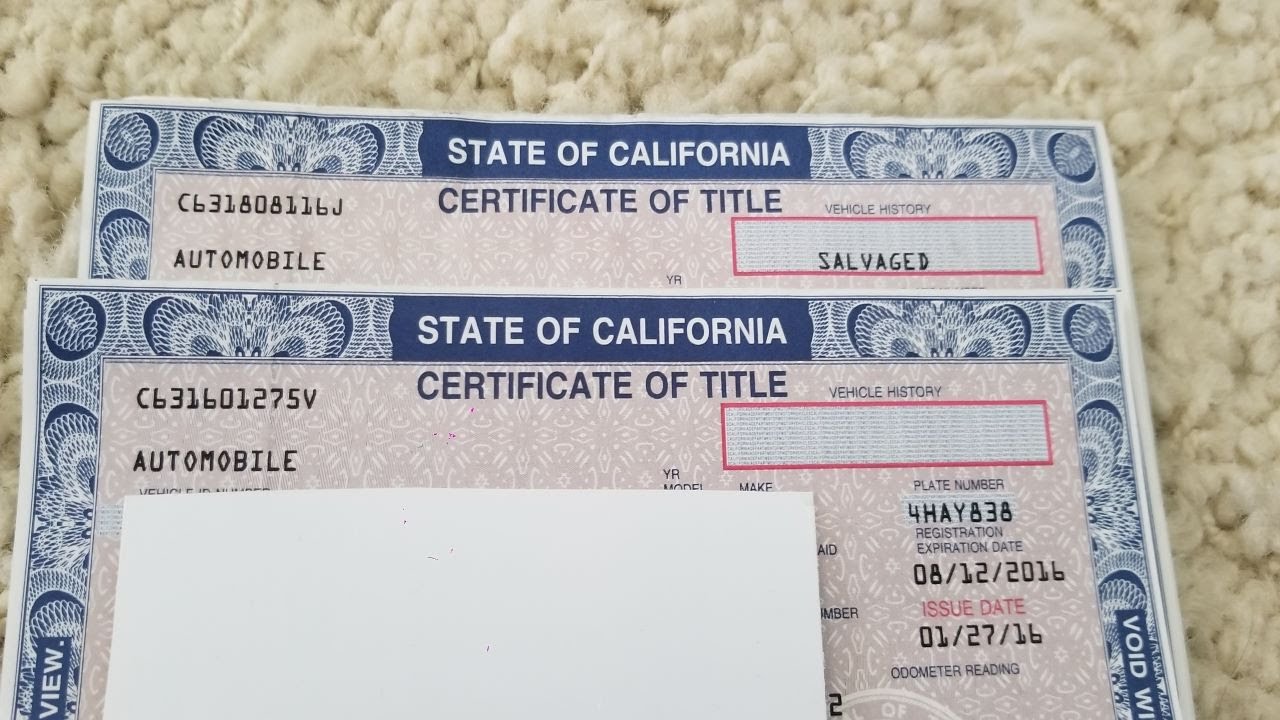
When a storm floods a neighborhood, owners file claims. If water got high enough (usually above the dashboard, sometimes just past the door sills depending on the insurer's threshold), the insurance company declares the car a total loss. That triggers a flood or salvage brand on the title in the state where the claim was filed.
In a well-regulated state, that brand is permanent. It follows the car's VIN forever, through every future title, in every state. That's the system working as designed.
Where It Breaks Down
The problem is the system isn't uniform. Branding rules, inspection requirements, and how aggressively a state's DMV enforces disclosure vary wildly. A car flooded in one state can be bought at a salvage auction, driven or trailered to a state with looser rules, and re-titled there. If the new state doesn't carry the brand forward the same way, the car can come out the other side with a title that simply doesn't mention water damage at all.
This is called title washing, and it's not a rumor. The National Insurance Crime Bureau (NICB) tracks it every hurricane season because the pattern is predictable: a major flood event hits, and within a few months, flood-damaged vehicles start showing up for sale hundreds or even a thousand miles away, in states that never saw a drop of storm water.
The Timeline You Should Actually Worry About
- Weeks 1-4 after a flood: Insurance write-offs hit salvage auctions. Buyers (some legitimate rebuilders, some not) start bidding.
- Month 2-4: Cars get dried out, detailed, and re-titled, sometimes across state lines specifically to launder the brand.
- Month 3-8: They hit Facebook Marketplace, Craigslist, small independent lots, and "as-is" private sales, usually far from where the flooding happened.
- Month 6-18: Buyers start noticing electrical problems, and by then the seller's contact info is dead.
If you're shopping used within a year or two of a major flood event anywhere in the country, you are statistically more likely to run into one of these cars than you think, even if you live nowhere near where the flooding happened.
📉 The Scale Nobody Talks About
Car people tend to think of flood damage as a freak, one-off thing. It isn't. It's a recurring, predictable event that happens at massive scale every single hurricane season, and the numbers are the reason this topic deserves its own checklist instead of a footnote in a used-car buying guide.
- Hurricane Harvey (2017) flooded an estimated 500,000 to 1 million vehicles in the Houston area alone, one of the largest single flood events for vehicles in US history.
- Hurricane Sandy (2012) put an estimated 230,000+ vehicles underwater across New York and New Jersey.
- Hurricane Ian (2022) flooded well over 350,000 vehicles across Florida.
- Hurricane Helene (2024) flooded tens of thousands of vehicles across the Southeast, including areas hundreds of miles inland in North Carolina and Tennessee that most buyers would never associate with hurricane damage at all.
Every one of those events triggered the same aftermath: insurance write-offs, salvage auctions, and a wave of vehicles that scatter across the country over the following months. Not all of them get title-washed. Plenty go through proper salvage channels and get scrapped or properly rebuilt and disclosed. But industry estimates have consistently put the number of flood vehicles that resurface with a clean-looking title at tens of thousands per major storm, which is exactly why this isn't a rare-edge-case problem. It's a recurring seasonal one, and the used market absorbs it quietly every single year.
🚗 Why This Hits Modified Cars Especially Hard
Here's the part that should worry enthusiasts specifically. Insurance total-loss decisions are based on the car's insured value, and insurers often don't know or don't fully credit aftermarket work when they calculate that number. A heavily modified car with $15,000 in mods can get totaled by an insurer valuing it at stock trade-in price, which means genuinely built cars, turbo swaps, widebody kits, full interior redos, end up in the same flood-salvage auction pipeline as a base-model commuter car.
That has two consequences that matter if you're shopping in the enthusiast used market specifically:
- Flood-totaled build cars are often the most tempting listings. A gorgeous, heavily modded car at a price that feels like a steal is exactly the profile a flood rebuild takes on, because the seller is pricing off the flood-salvage purchase cost, not the build's real value.
- Rebuilders lean into the story, not the paperwork. A seller flipping a flood-totaled build is more likely to talk about the mod list and the build story than the title history, because the build story is genuinely more interesting and it distracts from the one question that actually matters.
If you're chasing a specific build on the used market and the price feels unusually good for what's listed, that's exactly the moment to slow down and run every check in this article, not skip them because you're excited about the car.
🔍 The Tells: How Car People Actually Catch a Flood Car
Water damage is hard to fake being absent, if you know exactly where to look. Sellers can clean upholstery and swap floor mats. They can't easily undo what water does to a hundred hidden crevices at once.
Smell It Before You Even Sit Down
- Musty or heavy air freshener smell. A brand-new-smelling air freshener in a used car is a red flag on its own. It's often there to mask mildew.
- Damp carpet or a "wet dog" smell even when the car looks bone dry.
Check the Places Nobody Bothers to Clean
- Underneath the carpet and floor mats. Pull them back if the seller lets you. Look for water stains, silt, or rust on the metal floor pan.
- The spare tire well and trunk carpet. This is one of the last places anyone thinks to detail. Silt, mud residue, or rust rings here are almost impossible to fake away.
- Seat belt retractors. Pull the belts all the way out. Water leaves stains and grit on the webbing near the bottom that never gets exposed during normal use.
- Under the dashboard and behind the glovebox. Look for a visible waterline, rust, or corrosion on wiring harnesses and connectors.
- Bolt heads and screws in unexposed areas (under seats, inside door sills). Factory bolts are usually coated or painted. Surface rust on bolts that should never see moisture is a giveaway.
Look for Mismatched Details
- New carpet in an otherwise worn car. Replacing carpet is common after a flood, and it stands out against original upholstery and worn pedals.
- Fogging or water residue inside headlights or taillights. Condensation that won't clear, or a visible water line inside the lens.
- Mismatched interior trim colors or textures, especially seats, door panels, or headliner that look newer than the mileage suggests.
Test the Electronics, Not Just the Engine
Flood damage kills electronics slowly, and modern cars have more of them than ever.
- Cycle every window, mirror, and seat adjustment multiple times.
- Test infotainment, backup camera, and every warning light on the dash.
- Check the HVAC on every setting, including rear vents if equipped.
- Look for corrosion on connectors under the hood, especially around the fuse box and ECU.
Spota tip: if you're eyeing a used car and want a second opinion before you commit, post it in a local Club on Spota. Enough car people have been burned by a flood car once that someone in your city has probably learned this checklist the hard way already, and a second set of eyes (or a photo of a sketchy spare tire well) can save you a five-figure mistake.
🧾 Why the Damage Never Actually Goes Away
This is the part sellers count on you not knowing: drying a flooded car out doesn't undo what the water did. It just buys time before the failures start.
- Corrosion is progressive. Water gets into connectors and grounds, and corrosion keeps spreading slowly for months or years after the car is "dry."
- Electronics fail unpredictably. Modern cars have dozens of computer modules. Water-damaged circuit boards can work fine for a while and then fail with zero warning, sometimes one at a time over a year, which makes the pattern hard to trace back to flooding at all.
- Mold and mildew keep growing inside door panels, under carpet padding, and inside HVAC ductwork, long after the visible surfaces look clean.
- Rust spreads from the inside out. Rust that starts on a frame rail or floor pan from standing water is structural, not cosmetic, and it's already progressed further than anything you can see from underneath.
A flood car isn't a car with one problem. It's a car with a hundred small time bombs distributed across every system, each on its own unpredictable timeline.
🧠 The Paperwork Checks You Should Actually Run
Visual inspection catches a lot, but pair it with a paper trail before you hand over money.
- Run the VIN through NICB's VINCheck. It's free and flags vehicles reported as flood damage or salvage by participating insurers. It won't catch everything (title washing exists specifically to get around this), but it's a five-minute check with zero downside.
- Pull a full vehicle history report (Carfax, AutoCheck, or similar) and read every title transfer, not just the flood flag. A car that's been retitled two or three times in different states in a short window, especially right after a known flood event in one of those states, is worth walking away from even if nothing explicitly says "flood."
- Compare the title's state history to major flood events. If a car was titled in a hurricane-hit state within the last year or two and then quickly retitled somewhere else, ask the seller directly and watch how they react.
- Get a pre-purchase inspection from an independent mechanic, and specifically tell them you want a flood check. A good tech knows to check silt in the frame rails, wiring harness corrosion, and fuel tank contamination, not just run a general once-over.
None of these checks are foolproof alone. Together, they make a title-washed flood car dramatically harder to hide.
🗺️ Why It's Not Just a "Coastal States" Problem
It's tempting to assume this only matters if you live somewhere that floods. It doesn't work that way.
Flood cars are specifically valuable to bad actors because they can be moved. A car flooded during a hurricane doesn't need to be sold anywhere near the coast. It gets trailered inland precisely because buyers hundreds of miles away aren't thinking about last month's hurricane when they're shopping local listings.
That means a used car buyer in a landlocked state with zero flood risk of their own is still a target, especially in the 6-18 month window after any major flood event anywhere in the country. The used car market is national. Flood damage travels with the car, and so does the incentive to hide it.
💸 What It Actually Costs You If You Miss It
- The repairs never stop. Owners of flood cars commonly describe a rotating cast of "random" electrical failures: a window that stops working, then a sensor that throws a code for no reason, then a completely different system a few months later.
- Resale is brutal. Once you know, or a future buyer's mechanic finds out, a flood-branded or flood-suspected car loses a huge chunk of value instantly, and it becomes genuinely hard to sell honestly.
- Insurance complications. Some insurers will refuse to fully cover a car once flood history surfaces, or they'll price the policy assuming ongoing issues.
- Safety systems can be compromised. Airbags, ABS modules, and other safety electronics can be affected by water intrusion in ways that aren't obvious until the moment you actually need them to work.
The upfront savings on a flood car's price tag almost never survives contact with the first real repair bill.
🏁 The Bottom Line
Flood cars aren't rare, and they're not always obvious. They're specifically engineered by shady resellers to look boring: clean carpets, a fresh detail, a title that doesn't raise flags. The whole business model depends on buyers not knowing where to look.
Car people who've been through this once never skip the checklist again: pop the trunk and check the spare tire well, pull the seat belts all the way out, run the VIN before you get emotionally attached, and get a real pre-purchase inspection instead of trusting a clean-looking dash. It costs you twenty minutes. Skipping it can cost you the car's entire value in repairs within a year.
If a deal feels too good and the seller gets vague about where the car's been titled, that's not a coincidence. That's the tell.
For more on what corrosion does to a car long after the obvious damage is gone, check out why rust is every car guy's worst nightmare, and if you're weighing a rebuilt title in general, the truth about salvage titles is the companion piece to this one. For more deep dives like this, browse under-the-hood.
❓ FAQs
How can I tell if a used car was flooded?
Check the spare tire well and trunk carpet for silt or rust, pull the seat belts all the way out to check for water stains near the retractor, smell for mustiness or heavy air freshener, look for fogging inside headlights and taillights, and check for rust on bolts and screws in areas that should never get wet, like under the seats.
Does Carfax always catch flood damage?
No. Carfax and AutoCheck only show flood damage if an insurer reported it and the title was properly branded. Title washing across state lines can strip that history. Always pair a history report with NICB's free VINCheck and a physical inspection.
What is title washing?
Title washing is when a flood-damaged or salvage-branded car is retitled in a different state with weaker disclosure rules, sometimes resulting in a "clean" title that no longer shows the flood or salvage history, even though the damage is still there.
Can a flooded car be fixed and driven safely?
Some can be properly repaired, but it requires replacing wiring harnesses, sensors, and any water-contaminated components, not just drying it out and detailing the interior. Most cars sold as "clean" flood cars have not gone through this kind of real repair.
How long after a hurricane do flood cars show up for sale?
Typically within 3-8 months, once cars have been through salvage auctions, dried out, and retitled. But flood-damaged vehicles can keep resurfacing on the used market for a year or two after a major flood event.
Is it worth buying a flood-titled car if the price is really low?
Only if you go in with clear eyes: expect ongoing electrical issues, understand resale will be difficult, and get a mechanic to verify what's actually been repaired versus just dried out. For most daily drivers, the long-term repair costs outweigh the upfront discount.
Does a flood-damaged car always smell musty?
Not always, especially if the seller has detailed it recently or used odor eliminators. A missing smell doesn't clear a car. Always check the physical tells (spare tire well, seat belts, bolts, wiring) rather than relying on smell alone.
Are certain states more likely to have flood cars for sale?
States that recently experienced major hurricanes or flash flooding see a spike locally right after the event, but flood cars are frequently trailered to other states specifically to be sold to buyers who wouldn't think to check for recent flood history in their area.
A flood car doesn't announce itself. It waits. The only real defense is knowing exactly where to look before you sign anything, not after the first window motor dies.