
🥊 The Drivetrain Nobody Wants to Admit They Love
Say "front-wheel drive" in a group chat full of car people and watch what happens. Someone calls it a "grocery getter." Someone else says real cars push, they don't pull. Within ten messages somebody's posted a meme about torque steer yanking the wheel out of your hands on a wet on-ramp.
Meanwhile, more car enthusiasts than will ever admit it are driving FWD to work every single day. Civics, GTIs, Elantra N's, WRX's little Impreza cousins before AWD, Neon SRT-4s, Integras that people still chase down at twice their original MSRP. FWD is everywhere in enthusiast garages. It's just never allowed to be the hero of the story.
That gap between what people drive and what people respect is one of the weirdest double standards in car culture. And it didn't happen by accident. It's the result of decades of marketing, motorsport history, physics that are genuinely harder to make look cool, and a stigma that's finally starting to crack because the cars themselves got too good to keep making fun of.
⚙️ The Physics Behind Why FWD Earned the Hate
The stigma isn't purely snobbery. There's real engineering underneath it, and it's worth understanding before you can understand why it's overblown.
In a front-wheel drive car, one set of wheels has two jobs at once: put the power down and steer the car. Ask those same tires to do both under hard acceleration out of a corner, and they run out of grip to do either one well. The result is understeer, the front end pushing wide when you want it to tuck in, and torque steer, that tug-of-war feeling in the wheel when the engine's power doesn't transfer evenly to both front tires.
Rear-wheel drive splits the job cleanly. Front tires steer. Rear tires put the power down. Nothing's fighting for the same contact patch at the same time, which is why RWD has always felt more balanced, more adjustable, more "alive" under a driver who knows what they're doing. It's also why drifting exists as a sport built almost entirely on RWD cars: you need that rear end willing to step out on command.
There's a weight distribution problem too. Most FWD cars are built around a transverse engine sitting up front, driving the front wheels, with the transmission crammed in right next to it. That nose-heavy layout is efficient for manufacturers (compact, cheap, great for interior space) but it's the opposite of the 50/50 weight balance that engineers chase for a "proper" sports car. Nose-heavy means more understeer, more brake dive, less rotation on turn-in.
None of that is myth. It's why, all else equal, a RWD chassis is easier to make feel special. The stigma isn't built on nothing. It's built on a real limitation that manufacturers spent forty years designing around, and mostly winning.
📜 How Motorsport Wrote the Story Before Most Car Guys Were Born
Car culture doesn't form its opinions in a vacuum. It inherits them from motorsport, and motorsport has been RWD-coded (or increasingly AWD-coded) at the top for most of automotive history.
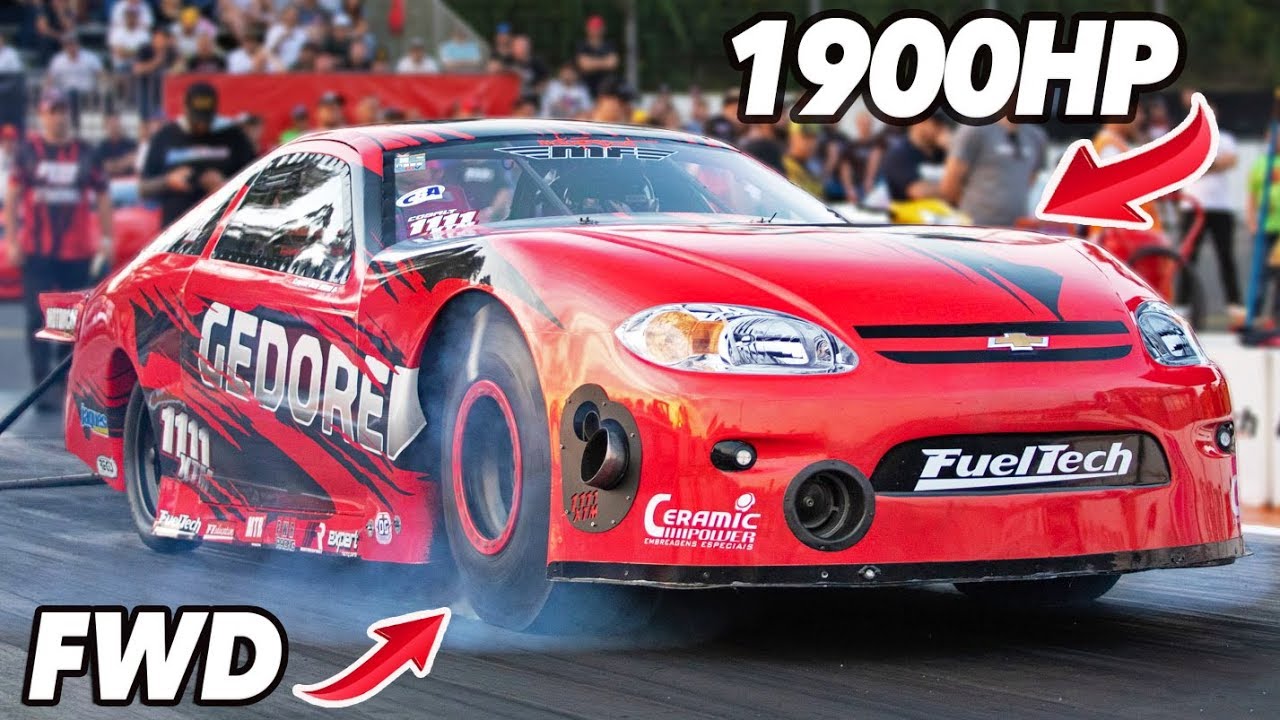
Formula 1: rear-wheel drive, always has been. NASCAR: rear-wheel drive. Drag racing's fastest doorslammers: rear-wheel drive. Drift: built on RWD by definition. The muscle car era that a huge chunk of American car culture still worships, Mustangs, Camaros, Chargers, was RWD from day one because that's what a V8 with real power needs to put it down without destroying the front end's ability to steer.
Front-wheel drive's motorsport pedigree is real but quieter. World Rally Championship had a legitimate FWD golden era before AWD took over completely. Touring car racing, especially in Europe, has been a FWD battleground for decades, with the BTCC and WTCC producing genuinely wild front-drive race cars that put down shocking lap times using tricks like aggressive limited-slip differentials and clever suspension geometry to fight the understeer problem head-on.
But touring cars never got the cultural weight of F1 or NASCAR or drift. They're a regional, enthusiast-insider thing. So the version of "real racing" that filtered down into mainstream car culture was almost entirely RWD, and FWD got filed under "commuter car" before it ever got a fair shake at the image war.
🚗 The "Grocery Getter" Problem Was Also a Marketing Problem
Here's the part that doesn't get talked about enough: FWD's reputation isn't just physics and motorsport, it's also just math. Automakers went front-wheel drive at scale in the 1970s and 80s because it's cheaper to build, easier to package, and more fuel efficient, three things that matter a lot when you're building a Corolla and approximately nothing when you're building a car whose entire job is to make someone feel something.
That means the vast, overwhelming majority of FWD cars ever built were never trying to be exciting. Camrys, Accords, Civics in their base trims, Cavaliers, Tauruses. Practical, reliable, forgettable by design. When that's 95% of what FWD represents on the road, it's not surprising that "front-wheel drive" became shorthand for "appliance" in the enthusiast imagination, even though the other 5% has been quietly incredible the entire time.
Compare that to RWD, which by the 2000s had been almost entirely reserved for trucks, luxury sedans, and dedicated performance cars, since it's more expensive to package and manufacturers only bother with it when the car needs to feel special. RWD got associated with intent. FWD got associated with default.
Spota tip: if you're trying to figure out what a car actually is versus what its reputation says, pop the hood and check the layout for yourself. Log it in your Garage and you'll start noticing how much of the "FWD is boring" narrative is really "budget trims are boring," which is true of every drivetrain.
🏆 The Hot Hatch Renaissance That Changed the Argument
For decades, "fast FWD car" was almost a punchline on its own. Then a specific lineage of hatchbacks made that impossible to say with a straight face.
The Volkswagen GTI proved a practical FWD hatch could be genuinely fun to drive for over 40 years running, generation after generation, without ever needing to apologize for its drivetrain. The Honda Civic Type R took it further: a production FWD car that has repeatedly held the outright front-wheel-drive lap record at the Nürburgring, one of the most demanding, technical circuits in the world, beating cars with far more exotic drivetrain layouts on raw driver feedback and chassis tuning alone.
The Ford Focus RS and ST, the Hyundai Veloster N and Elantra N, the old Mitsubishi Lancer Evolution's FWD-adjacent siblings, the Renault Mégane RS with its trick hydraulic bump stops instead of a front sway bar. This entire generation of hot hatches solved the FWD problem the hard way: not by ignoring torque steer and understeer, but by engineering around them with genuinely clever hardware. Limited-slip differentials that bite hard on corner exit. Suspension geometry tuned specifically to fight nose dive. Software that manages power delivery so the tires can actually use what the engine's sending them.
The result is a category of car that can hang with plenty of RWD sports cars on a real track, for a fraction of the price, while still hauling your friends and their gear on a Tuesday. That's not a consolation prize anymore. For a lot of drivers, it's the better answer.
🌧️ The Argument FWD Wins That Nobody Brings Up
There's one place FWD has never needed to apologize for itself: bad weather and daily reliability under real-world conditions. Put the engine's weight directly over the driven wheels and you get a car that's inherently easier to keep pointed the right direction on snow, rain, and loose surfaces than an unloaded RWD car with the weight sitting somewhere else entirely.
That's not a small thing. It's a huge part of why FWD (and its AWD descendants sharing the same basic drive-the-front-or-all-wheels logic) dominates in the northern half of the country and pretty much anywhere ice and snow are a real part of the calendar. Enthusiasts in Atlanta or Phoenix can afford to romanticize a rear-drive Mustang year-round. Enthusiasts in Minneapolis or Buffalo know exactly why their daily is pulling, not pushing.
It's also why FWD-based platforms became the foundation for most modern AWD systems. A Subaru, an Audi Quattro, a WRX: most of them start life as a FWD-architecture car with power routed to the rear axle added on top, not the other way around. The drivetrain everyone loves to dunk on is, quietly, the backbone that a huge chunk of "real" performance AWD is actually built from.
🔧 Why the Stigma Is Finally Losing Its Grip
A few things are converging to make "FWD respect" a real conversation instead of a punchline.
- The cars got objectively faster. When a production hatchback is running Nürburgring lap times that would've embarrassed a supercar twenty years ago, "it's just a grocery getter" stops being a credible argument.
- The used market rewarded them. Integra Type R prices, early Civic Si values, GTI Mk4/Mk5 prices climbing, these cars are appreciating the way genuine enthusiast cars appreciate, not the way appliances depreciate.
- Track day culture opened the door. More drivers than ever are getting actual seat time on real circuits, and a well-set-up FWD hot hatch is one of the most forgiving, confidence-building platforms to learn car control on before graduating to something with more power and less mercy.
- Younger enthusiasts didn't inherit the old bias as hard. A lot of the FWD stigma is generational, rooted in a specific era of American muscle-car worship. Drivers who grew up wrenching on Civics and Neons never needed convincing that FWD could be fun. They already knew.
None of this means the physics changed. Torque steer is still real. Understeer under power is still the default tendency of the layout. But "has a limitation" and "deserves no respect" have always been two different claims, and car culture is slowly getting more honest about the difference.
🏁 The Real Answer
FWD never needed to beat RWD at RWD's own game. It needed its own lane, and it's finally getting the credit for building one: cheap to run, brutally efficient in bad weather, capable of shockingly serious performance when the engineering gets taken seriously, and honest about what it is instead of pretending to be something else.
The Camry in your neighbor's driveway and the Civic Type R lapping a track record share a drivetrain layout and basically nothing else. That's the whole point. Judge the car, not the letters on the spec sheet.
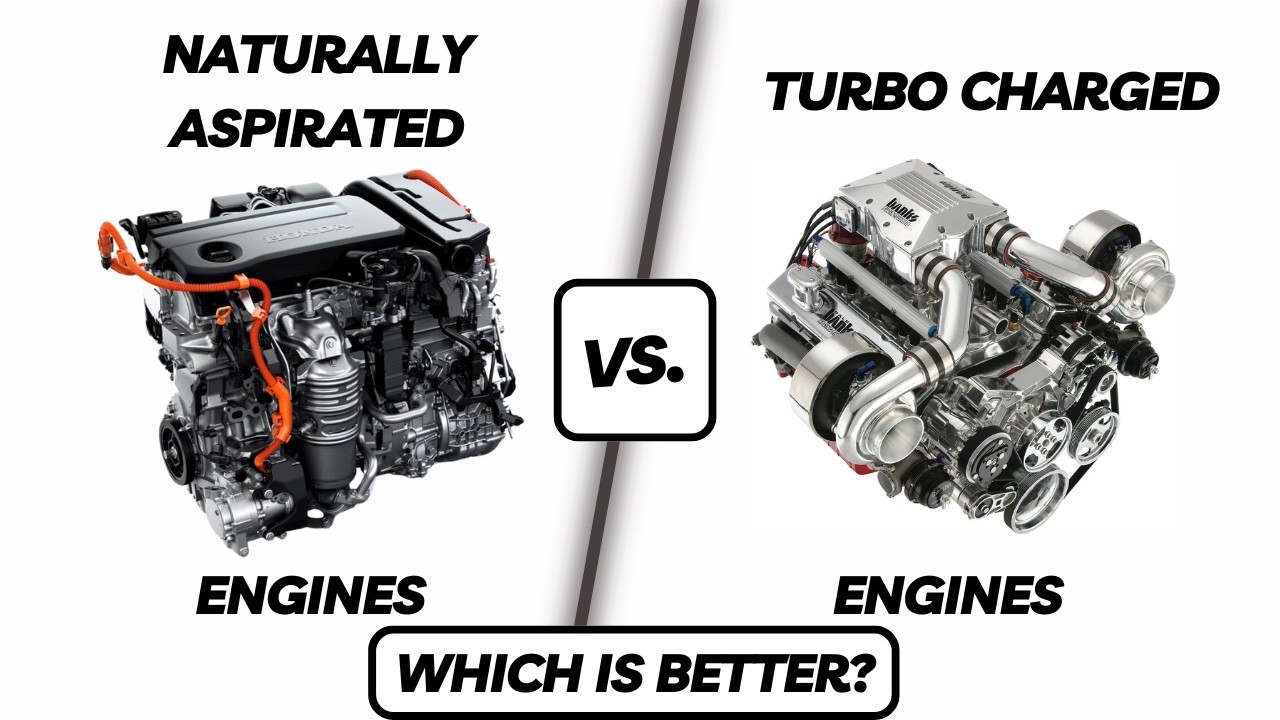
For more on the debates car people can't stop having, check out why car guys can't agree on torque vs. horsepower and why car culture can't let the naturally aspirated vs. turbo debate die, or browse more culture breakdowns in Under the Hood.