
🔩 The Sound Nobody Wants to Hear
You're idling at a light. Windows down. And underneath the exhaust note, there's something else. A deep, metallic, rhythmic knock that speeds up with the RPMs and doesn't belong there.
Every car guy's stomach drops the same way.
Rod knock isn't just another warning light or a weird noise you can shrug off. It's the sound of an engine eating itself from the inside, one rotation at a time. Ask anyone who's heard it in their own car and they'll tell you it's not the volume that gets you. It's what you already know it means before you even Google it.
This is the noise that turns a "solid daily driver" into a "parts car" in the length of one bad commute. Let's break down what rod knock actually is, why it happens, why some engines are basically famous for it, and what your real options are once you hear it.
🎧 What Rod Knock Actually Is
Every piston in your engine is connected to the crankshaft by a connecting rod. That rod rides on a thin film of oil at both ends, cushioned by rod bearings, tiny half-shells of soft metal that let the rod spin freely without ever touching bare metal against metal.
When that oil film breaks down, or the bearing itself wears through, the rod develops clearance it was never supposed to have. Instead of gliding smoothly, it starts slapping against the crankshaft journal with every single combustion cycle.
That slap is the knock. And it's happening hundreds, then thousands, of times a minute.
What causes the bearing to fail in the first place:
- Oil starvation – low oil level, a failing oil pump, or a clogged pickup tube starves the bearing of the film it needs
- Old, degraded oil – oil that's gone too long without a change loses its lubricating properties and lets metal-on-metal contact begin
- Detonation and pre-ignition – abnormal combustion (from bad tunes, cheap gas, or a failing knock sensor) hammers the rod with forces it wasn't designed for
- Manufacturing defects – some engines shipped from the factory with bearing clearances that were too tight or too loose from day one
- Extended oil change intervals – "lifetime" or 10,000+ mile intervals sound convenient until you realize bearings don't get a lifetime warranty
- High mileage wear – eventually, even a perfectly maintained engine wears its bearings down through simple use
Once the bearing surface is gone, there's no fixing it with an oil change or an additive. The clearance only grows from there. Rod knock doesn't heal. It gets louder.
🚨 Why Some Engines Became Famous for It
Ask a room full of car people which engines they associate with rod knock and you'll get the same answers almost instantly. This isn't random bad luck. Certain engine families developed reputations because the failures were widespread enough to become a pattern, not an outlier.
The Hyundai/Kia Theta II 2.0L and 2.4L (2011-2019 Sonata, Optima, Sorento, Santa Fe)
This is the engine that made rod knock a household phrase outside of car forums. Manufacturing debris left in the engine block during production clogged oil passages to the connecting rod bearings, starving them of lubrication. The result was a wave of rod knock failures, several class-action lawsuits, and a warranty extension that stretched all the way to lifetime coverage on affected engines in the U.S. If you've shopped a used Sonata or Optima from that era, you've probably already seen the recall history come up.
The GM 5.3L and 6.2L LS/EcoTec3 with Active Fuel Management
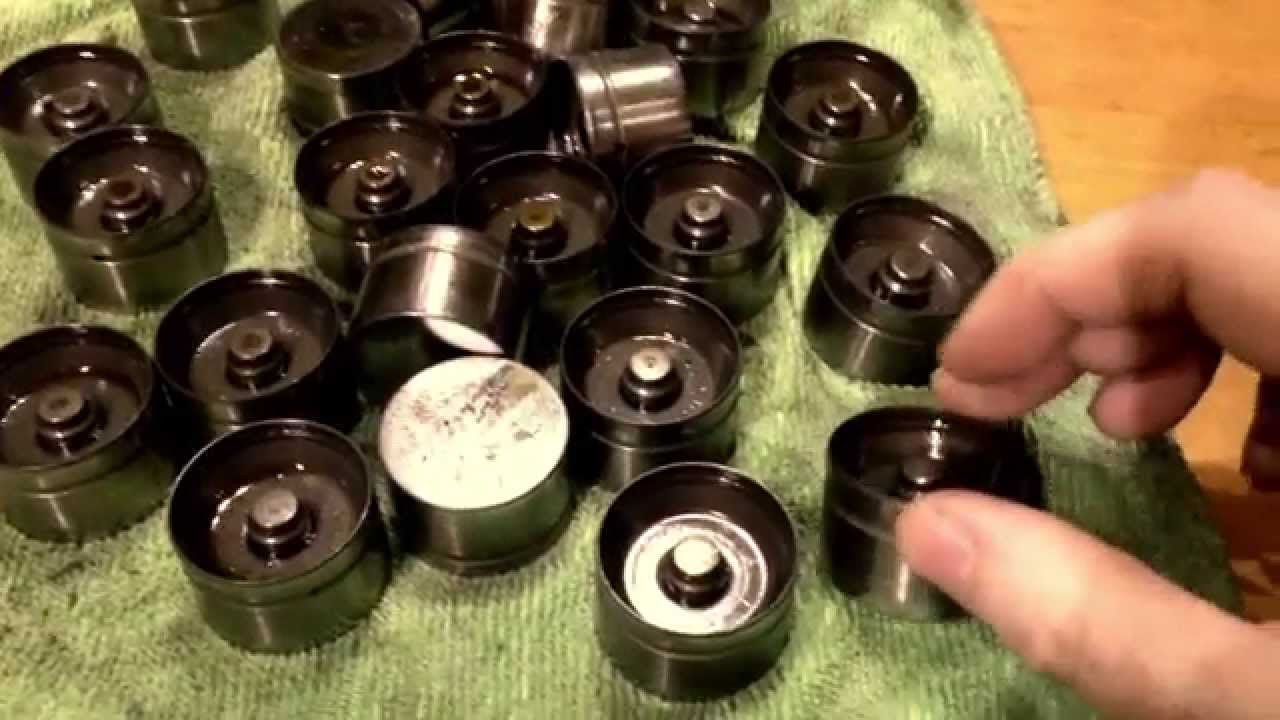
GM's cylinder deactivation system, meant to save fuel by shutting down cylinders under light load, has a well-documented tendency to cause lifter failure. A collapsed lifter sends metal debris through the oiling system, and that debris finds its way straight to the rod bearings. It's technically a lifter problem first, but it very often ends as a rod knock problem.
Early Subaru EJ25 engines
Subaru's flat-four earned a reputation for head gasket failures long before rod knock entered the conversation, but overheating from those same head gasket issues can cook oil and accelerate bearing wear, turning one problem into two.
High-mileage, poorly maintained economy cars in general
Rod knock isn't exclusive to any one brand. It's the natural end state of any engine that's been run low on oil, gone too long between changes, or driven hard while already showing warning signs. The "famous" engines just had a manufacturing or design flaw that got them there faster and in bigger numbers.
Spota tip: if you're hunting down a specific model year for your Garage or planning a meet-up around a notorious platform, a quick search of "[engine name] rod knock" before you buy tells you more about real-world reliability than any spec sheet ever will.
💸 What It Actually Costs to Fix
This is where the panic really sets in, because none of the options are cheap.
Option 1: Full engine rebuild A machine shop tears the engine down, replaces the bearings (and usually the rod bolts, since they're often torque-to-yield and not reusable), resurfaces the crankshaft if it's scored, and reassembles everything. Expect $3,000-$6,000 in labor and machine work alone, more if the crank needs to be replaced instead of just polished.
Option 2: Engine replacement with a used/junkyard motor Pulling a low-mileage engine from a salvage yard and swapping it in is usually the cheapest real fix, typically $2,500-$5,000 installed depending on the vehicle. The catch: you're trusting that the "low mileage" engine wasn't also on its way to knocking.
Option 3: Remanufactured or crate engine A rebuilt long block from a reputable supplier, or a factory crate engine for platforms that support it, lands somewhere in the $4,000-$9,000 range installed, but comes with an actual warranty instead of a prayer.
Option 4: Do nothing and keep driving Free, for now. You will read more about why this is a countdown timer, not a solution, in the next section.
Option 5: Sell or part it out Sometimes the math simply doesn't work on an older car. If the repair cost approaches or exceeds the car's value, plenty of owners sell as-is to someone doing an engine swap, or part the car out themselves.
None of these numbers include the diagnostic time it takes to confirm it's actually rod knock and not a lifter tick, exhaust leak, or accessory bearing, all of which can sound alarmingly similar to an untrained ear.
⏱️ Can You Keep Driving on a Knocking Engine?
Technically, yes. Practically, you're gambling with a timer you can't see.
Rod knock means metal is already grinding against metal that was never supposed to touch. Every mile you drive on it accelerates the wear. The bearing material continues to shed into your oil, and that debris circulates through the rest of the engine, potentially damaging other bearings, the oil pump, and the cylinder walls along the way.
What "driving on it" actually risks:
- A connecting rod breaking through the engine block – this is the catastrophic failure car people mean when they say an engine "grenaded." It's not a metaphor. A broken rod can punch straight through the block, and at that point you're not looking at a rebuild, you're looking at a total loss.
- Sudden total power loss at highway speed – not exactly the moment you want your engine to seize
- Turning a repairable problem into an unrepairable one – a worn bearing is a bearing job; a thrown rod is a new engine
- Damaging components that were otherwise fine – metal debris in the oil doesn't stay contained to one bearing
Some owners do get weeks or even months of extra driving out of a lightly knocking engine, especially if it's caught early and babied (keeping RPMs low, checking oil obsessively, avoiding load). But "some people got away with it" is survivorship bias, not a maintenance plan. The honest answer is that once you hear it, the engine is on borrowed time, and nobody, not your mechanic, not a forum post, not an additive bottle, can tell you exactly how much of that time is left.
🔍 How to Tell Rod Knock From Something Less Scary
Not every knock, tick, or clatter under the hood is a death sentence. Before you assume the worst, it's worth knowing what else can mimic the sound.
- Lifter tick – a lighter, faster ticking sound, usually from low oil pressure or a failing hydraulic lifter, often fixable without an engine teardown
- Exhaust manifold leak – a rhythmic tapping or popping that changes with engine speed but comes from a cracked manifold or blown gasket, not the bottom end
- Timing chain slap – a rattling noise, especially on cold start, from a stretched timing chain or worn tensioner
- Piston slap – a hollow, metallic slap most noticeable on cold starts that fades as the engine warms up; annoying but sometimes far less urgent than rod knock
- Accessory bearing failure – alternator, power steering pump, or A/C compressor bearings can produce knocking or grinding noises that have nothing to do with the engine internals
True rod knock tends to be a deep, heavy, rhythmic knock that gets noticeably louder and faster as RPMs climb, and often gets worse under load (accelerating, going uphill) rather than better. If you're not sure, this is one of those times it's worth paying a mechanic for an honest diagnosis, ideally one who'll actually listen with a stethoscope rather than just reading a code off a scanner. Rod knock usually won't even throw a check engine light until it's already caused secondary damage.
🛡️ How to Actually Avoid Getting Here
Most rod knock failures trace back to something preventable, which is exactly why it stings so much when it happens.
- Change your oil on time, every time – not the "lifetime interval" the manual suggests, the interval your engine actually needs given how you drive it
- Use the correct oil weight and quality – cheaper oil that's out of spec for your engine won't build the film strength it needs under load
- Check your oil level regularly, especially on engines with known oil consumption issues
- Don't ignore a check engine light, particularly anything related to knock sensors or misfires
- Be skeptical of "no oil change history" used cars, and budget for an oil analysis or pre-purchase inspection before you buy anything with a questionable past
- Research the specific engine before you buy, because as the Theta II story proves, sometimes the flaw isn't your fault at all, it's baked into the design
None of this guarantees you'll never hear the knock. But it stacks the odds heavily in your favor, and it's a lot cheaper than a $5,000 engine swap.
For more on keeping a build healthy long-term, check out our guide on maintenance mistakes that kill cars slowly, and browse more real talk about ownership in under-the-hood.
❓ Rod Knock FAQ
Can an oil additive fix rod knock? No. Thicker oil, "engine stop leak," or knock-quieting additives can occasionally mask the sound for a short time by adding viscosity, but they don't rebuild a worn bearing surface. The wear underneath keeps progressing regardless of what's in the crankcase.
How long can you drive with rod knock? There's no reliable timeline. Some engines run for weeks or months on a light knock before failing completely, others go from a faint tick to a thrown rod within days. The only honest answer is "less time than you'd like, and you won't get a warning before it lets go."
Does rod knock always mean a new engine? Not necessarily. If caught early and the crankshaft journals aren't scored, a bearing and rod bolt replacement (sometimes called a "bottom end rebuild") can fix it without a full engine swap. Once the crank is damaged, though, you're usually looking at a full rebuild or replacement.
Is rod knock covered under warranty? It depends entirely on the cause and the manufacturer. The Hyundai/Kia Theta II situation is the clearest example of a design and manufacturing defect that led to extended warranty coverage. Rod knock caused by neglected maintenance almost never qualifies, since most warranties explicitly exclude damage from lack of service.
Will rod knock show up on an OBD scanner? Usually not directly. Rod knock is a mechanical, not electronic, failure, so it often won't trigger a check engine light until it's caused secondary damage like a misfire or low oil pressure warning. This is exactly why relying on a scan tool instead of an actual mechanical inspection can miss it for weeks.
Can rod knock happen on a low-mileage car? Yes. Manufacturing defects, a single instance of severe oil starvation, or aggressive tuning on a car that isn't built for it can all cause rod knock well before an engine would normally show wear. Mileage is a factor, but it's not the only one.
Rod knock doesn't care how much you love the car. It's just physics, oil, and metal, running out of patience at the same time. Hear it, and the only real question left is how you want the story to end: rebuild, replace, or let it go out with dignity.