
📉 The Number Everyone's Taught to Fear
Every new car buyer gets the same warning. The second you drive off the lot, you lose money. Ten percent gone before you hit the highway. Twenty, thirty, forty percent gone by year three. Depreciation is the boogeyman of personal finance, the thing your dad warned you about, the reason "never buy new" gets repeated in every budgeting subreddit on the internet.
And if you're buying a Camry to get to work, sure, that math stings. You bought an appliance and it's worth less than the appliance you bought it to replace.
But if you're a car enthusiast, that exact same curve is the reason you can afford to drive something interesting at all.
Here's the thing nobody explains clearly enough: depreciation isn't a punishment. It's a redistribution system. Somebody pays full sticker price for a performance car, drives it for three to five years, and then hands you 40-60% of that car's capability for a fraction of the original cost. You didn't get a worse car. You got the same car, minus a warranty and some new-car smell, at a price that actually makes sense.
This is why the used performance market exists as a real, thriving thing, and why the smartest enthusiasts you know are obsessed with depreciation curves the same way stock traders are obsessed with charts. It's not morbid. It's strategy.
🧮 How Depreciation Actually Works (And Why It's Not Random)
The Basic Curve
Almost every car follows a predictable depreciation shape:
- Year 1: 15-25% of value gone (biggest single-year drop, mostly "new car tax")
- Years 2-3: Another 15-20% gone, decelerating
- Years 3-5: The curve flattens noticeably, this is the sweet spot
- Years 5-10: Slow, steady decline unless the car develops a reputation
That "sweet spot" around years 3-5 is where most enthusiast buying happens, and it's not a coincidence. It's the point where the original owner has absorbed the worst of the hit, the car is out of its factory warranty (which drops the price further because buyers get nervous), and the car still has plenty of usable life left.
What Actually Drives the Curve Steeper or Flatter
Depreciation isn't one universal rate. It swings wildly based on a handful of factors:
- Brand reputation for reliability (or lack of it): cars with scary reliability reputations depreciate faster because fewer buyers want to inherit someone else's problem
- Production volume: mass-produced cars depreciate faster than limited-production ones because supply keeps growing used inventory
- Enthusiast demand vs. mainstream demand: a car nobody but enthusiasts want will depreciate hard once the mainstream buyer moves on, then sometimes stabilize or even appreciate once it's fully "enthusiast-owned"
- Technology and trim cycle: cars tied to a specific infotainment generation or emissions standard age faster in buyer perception even if mechanically sound
- Modification history: a car with a documented, tasteful build can actually hold value better than stock in the right niche, while a sloppy build tanks it
This is why two cars that cost the same new can have wildly different used values five years later. It was never really about the car's quality. It's about who still wants it and how many exist.
🏎️ The Enthusiast Arbitrage: Buying the Depreciation, Not the Car
Performance Depreciates Faster Than Practicality
This is the part that should get enthusiasts excited instead of scared. Performance features tend to depreciate faster than practical ones. A loaded family SUV holds value better than a two-door coupe with a manual transmission and a track package, because the pool of buyers who want a manual coupe is smaller than the pool who want a practical SUV.
That's bad news if you're the original owner trying to sell. It's fantastic news if you're the second, third, or fourth owner buying in. You're not paying for demand, you're paying for what's left after demand thinned out. Which means dollar-for-dollar, you get more actual performance for your money buying used than buying new almost every single time.
Spota tip: if you're hunting for your next build in the wild, a lot of the best deals aren't listed anywhere flashy, they're parked at local meets waiting for the right buyer to notice them. That's exactly the kind of real-world scouting Spota's Playlists and Photo Ops turn into a game instead of a chore.
The Three-Year Lease Return Wave
A huge chunk of the used performance market exists because of lease returns. Someone leases a performance trim for the badge and the payment, drives it gently for three years, and turns it back in. That car re-enters the market with low miles, full service history, and a price that's already absorbed the steepest part of the depreciation curve. Enthusiasts who track these waves by model year can time purchases almost perfectly, buying right as a batch of clean lease returns hits the market and prices soften.
Depreciation Cliffs to Watch For
Not all depreciation is smooth. Some cars fall off a cliff at a specific point, and knowing where that cliff is can save or cost you thousands:
- Right after the warranty expires: buyers get spooked about surprise repair bills, prices often dip hard in the months right after factory coverage ends
- After a facelift or redesign: the outgoing generation takes an extra hit the moment the new one is announced, even if nothing mechanical changed
- Once a reliability issue becomes public knowledge: forums and recall notices move the used market fast, sometimes faster than the manufacturer can respond
- When a specific model gets discontinued: this one can go either direction, sometimes prices soften as buyers assume parts support will dry up, sometimes prices firm up because the car becomes the "last of its kind"
💸 The Flip Side: When Depreciation Bites Back
Buying Too Early Costs You Twice
The mistake enthusiasts make constantly is buying at year one or two instead of waiting for year three to five. You still pay near-new pricing, but you inherit someone else's steepest depreciation hit the moment you resell. You get none of the arbitrage and all of the risk.
Some Cars Never Bottom Out Where You Expect
A handful of cars break the normal curve entirely and either depreciate far harder than expected (usually reliability-plagued performance cars, see: certain supercharged American muscle) or barely depreciate at all because enthusiast demand outpaces supply (see: manual sports cars, certain limited-production JDM legends now finally legal to import under the 25-year import rule). Knowing which category your car falls into before you buy matters more than the sticker price.
Modifications Almost Never Pay You Back
This one trips up new enthusiasts constantly. You will not get dollar-for-dollar value back on most modifications when you sell. A $3,000 exhaust and intake setup might add a few hundred dollars to resale value, if you find a buyer who wants exactly that combination. The math only works if you mod the car to enjoy it, not as an investment strategy, and if you buy modified cars from someone else at a discount to what they spent, letting their depreciation subsidize your build.
🌍 Why Some Cars Break the Rules Entirely
The Icon Exception
Every so often a car ignores the standard curve completely and starts appreciating instead. Think early-2000s JDM legends, certain limited-run manual coupes, and a handful of the last naturally aspirated performance cars before manufacturers switched to forced induction across the board. These cars didn't dodge depreciation by luck. They dodged it because production numbers were capped, because they represent an engineering approach that stopped being made, or because a specific cultural moment (a movie, a video game, a viral meme) turned an ordinary used car into a symbol almost overnight.
The catch is you can't reliably predict which cars will do this before it happens. Enthusiasts who guessed right usually didn't guess at all, they just bought a car they loved for the driving experience and happened to be early. That's a useful reminder that chasing appreciation as your primary goal is a much worse strategy than buying something you'll actually enjoy owning while it's still just "cheap and fun."
The Reliability Discount Trap
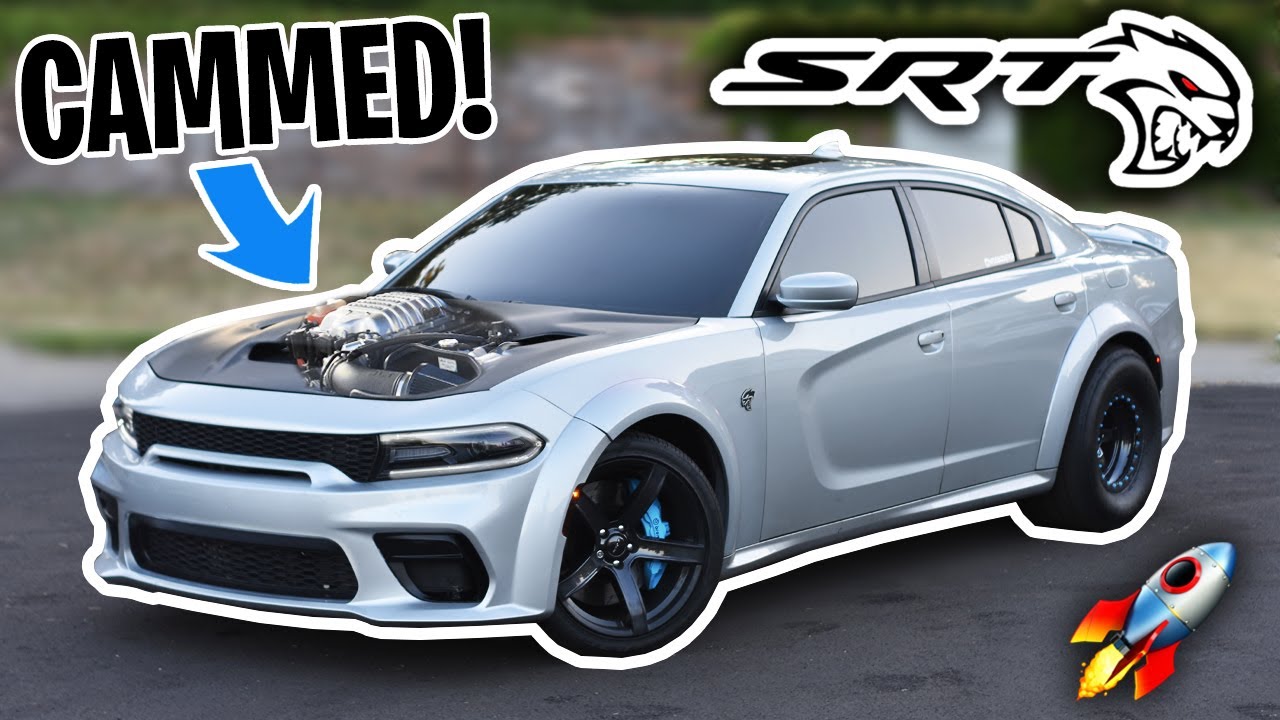
On the opposite end, some cars get cheap for a reason that never goes away. A model with a well-documented engine or transmission failure pattern will sit at a permanently depressed price point because informed buyers already know what they're walking into. The temptation here is obvious: it's the most car for the least money on paper. The trap is that the ongoing cost of ownership, parts, specialist labor, and the eventual repair bill often erases the entire discount within a couple of years. This is the exact dynamic that makes something like a certain supercharged American muscle platform (every Hellcat owner knows this feeling) both an incredible bargain on the lot and a financial gamble the moment you drive it home.
Regional Depreciation Isn't the Same Everywhere
Depreciation curves also shift by region in ways that surprise a lot of first-time enthusiast buyers. Convertibles hold value better in warm, dry climates and depreciate faster in places with harsh winters. Trucks and AWD performance cars hold value better in snow states. Rust belt cars carry a permanent discount compared to identical examples from the Southwest, regardless of mileage, because buyers know what road salt does to a frame over a decade. If you're willing to travel or ship a car, this regional gap is one of the most reliable ways to find a car priced below its true national market value.
🔍 How to Actually Use This as a Buyer
Track the Curve, Not the Sticker
Before shopping for a used performance car, look up historical pricing data for that specific model year, trim, and mileage bracket rather than anchoring to what it cost new. Sites that track auction results and dealer listings over time will show you exactly where a model sits on its curve and whether it's still falling or has flattened out.
Buy Reputation, Not Just Specs
A car with a strong reliability reputation depreciates more predictably, which means you can actually plan around it. A car with a sketchy reputation might be cheaper upfront but comes with unpredictable depreciation and unpredictable repair bills stacked on top of each other. That combination is how enthusiasts end up upside down on a car they thought was a bargain.
Time Your Exit Before You Buy Your Entrance
The enthusiasts who come out ahead financially aren't the ones who buy the cheapest car. They're the ones who think about resale before they sign anything: how many more years of favorable depreciation are left, whether the model is about to get a redesign that tanks resale, and whether demand for that specific platform is rising or falling in the community.
🏁 Depreciation Isn't the Enemy, It's the Entry Fee
The used performance car market only exists because depreciation makes it exist. Every clean, well-kept enthusiast car sitting in a driveway at a price you can actually afford got there because someone else paid the premium first. That's not bad luck for you, that's the entire system working exactly as it should.
The enthusiasts who understand this stop fighting depreciation and start reading it instead, using it to time purchases, pick platforms, and find the cars that quietly became bargains the moment nobody but people like them wanted them anymore.
Next time someone tells you a car "lost half its value," ask what it costs now. That's usually the more interesting number.