
🔧 The $80 Mod That Splits Every Forum in Half
Every car guy has been there. You finally get the right wheels, drop the car, step back to admire it, and something's off. The fitment is close, but not close. Too much lip tucked in the fender, or the tires are rubbing the strut at full lock and you're grinding metal into your inner fender liner every time you turn.
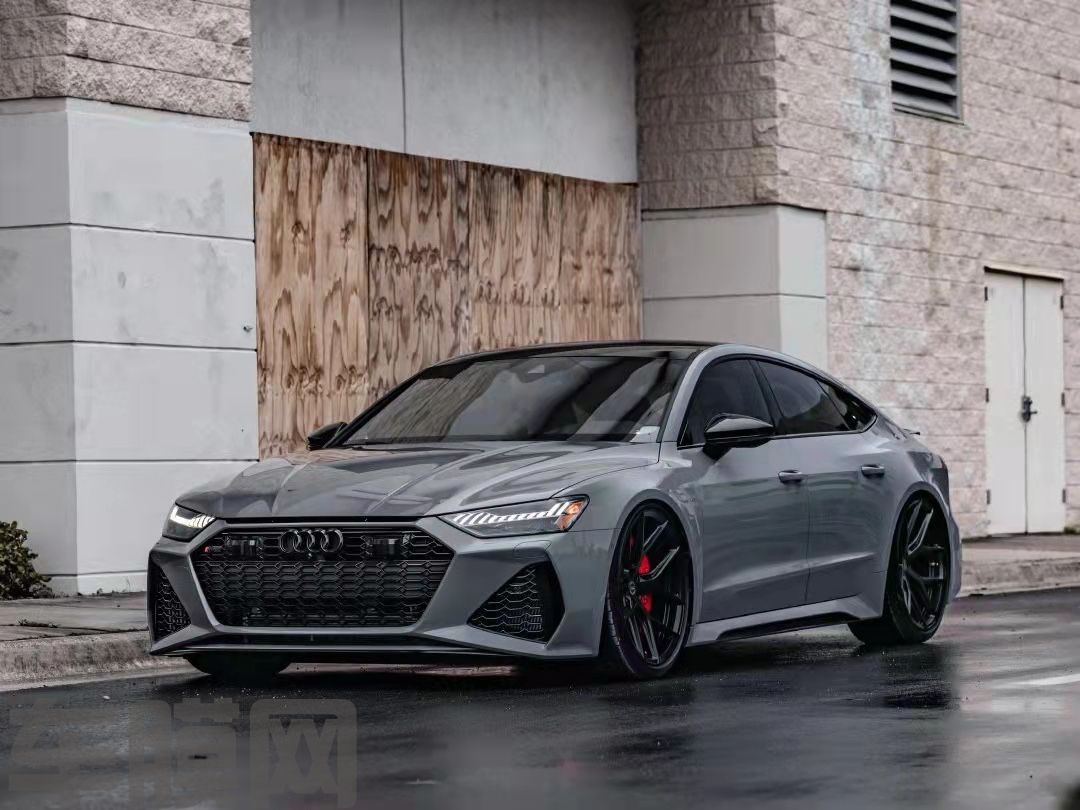
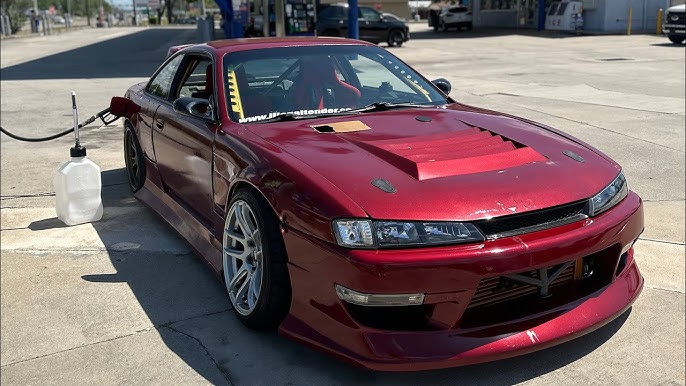
There's a fix that costs less than a tank of gas: wheel spacers. Bolt them between the hub and the wheel, push the wheel out 10, 15, 20 millimeters, and suddenly the fitment is perfect. Flush face, tire tucked right under the fender lip, no more rubbing.
And then you post the before-and-after on a forum or in a group chat, and half the replies are fire emojis and the other half are some version of "you just signed up for a wheel falling off at 70 mph."
Nowhere else in car culture does a cheap, popular, decades-old mod generate this much genuine disagreement between people who all know what they're talking about. Not lowering springs. Not cold air intakes. Wheel spacers. Let's actually break down why, because the truth is more interesting than either camp wants to admit.
⚙️ What a Wheel Spacer Actually Is
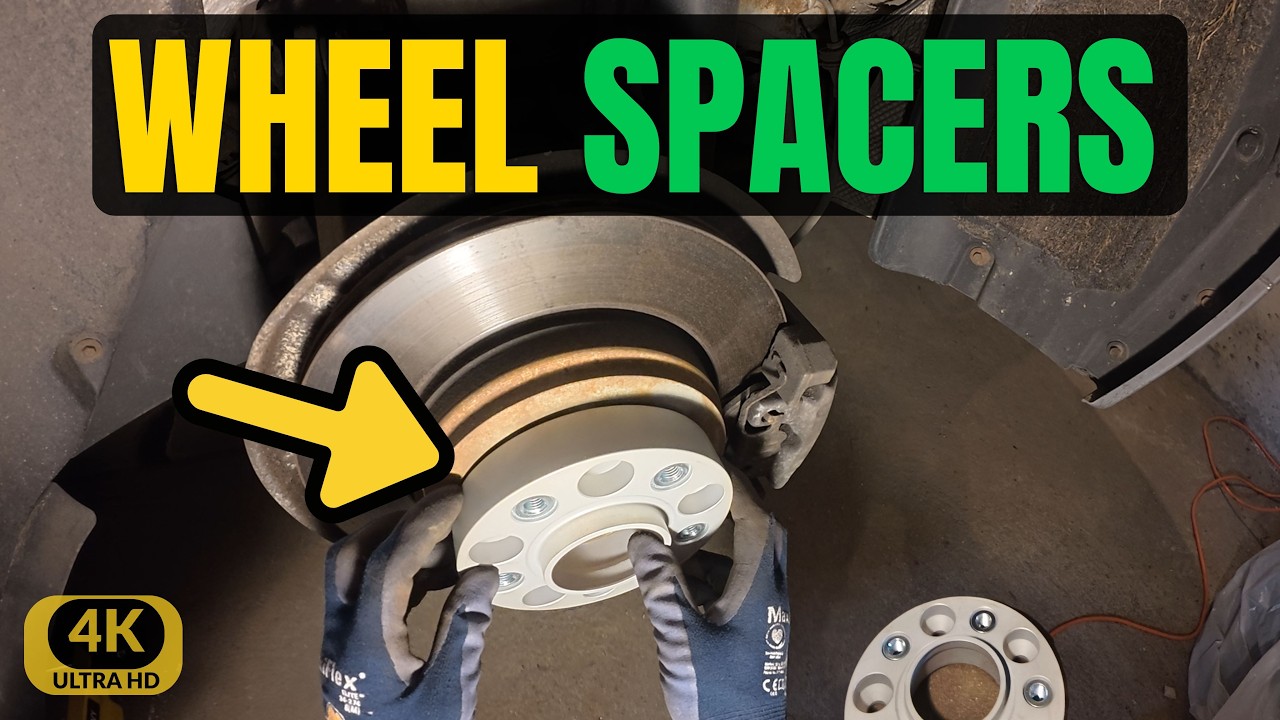
A wheel spacer is a metal disc, usually aluminum or steel, that sits between your wheel hub and the wheel itself. It pushes the wheel further out from the car, which changes your offset (how far the wheel's mounting face sits relative to its centerline) without changing the wheel itself.
Why would you want that? A few real reasons:
- Fixing rub. Aftermarket wheels or a lowered stance can bring the tire dangerously close to the strut, control arm, or fender liner. A spacer buys clearance.
- Nailing a stance. Enthusiasts chasing a flush, tucked-tire look often need a few extra millimeters of push to get the wheel face out to the fender lip.
- Matching a different wheel's offset. Sometimes the perfect wheel for your car exists in a size or offset that's slightly wrong for your fitment, and a spacer closes the gap instead of forcing you to buy custom-offset wheels.
- Widening the track. A wider stance (more distance between left and right wheels) can genuinely improve cornering grip and reduce body roll, which is why some track-day builds run spacers on purpose, not just for looks.
That last point matters. This isn't purely a cosmetic mod. Wider track width is a real, measurable performance lever, which is part of why the debate never fully resolves into "it's just for show, ignore it."
🛞 The Two Kinds of Spacers, and Why the Difference Matters
This is where a lot of the internet argument actually falls apart, because people are arguing about two completely different products as if they're the same thing.
Slip-on (hubcentric-on-one-side) spacers
These are thin, simple rings, often 3-12mm, that slide over the wheel studs and butt up against the hub. The factory wheel bolts or lug nuts then go through the spacer and into the wheel, using the original studs. The spacer itself usually has its own hub-centric bore that matches your hub, but it relies entirely on the factory studs for both centering support and clamping force being transferred correctly through an extra layer of material.
Bolt-on spacers
These are thicker (typically 15mm and up) and have their own separate stud pattern built in. They bolt directly to the hub using their own hardware, and then the wheel bolts to a completely new set of studs pressed into the spacer. This design carries the load differently: the spacer becomes, essentially, its own hub extension, and the wheel is never touching the original hub face at all.
Here's the part that gets lost in "spacers bad" internet arguments: these two designs have genuinely different risk profiles. A cheap, thin, non-hub-centric slip-on spacer stacked on top of aggressive lowering and stretched tires is a very different proposition than a properly torqued, hub-centric, bolt-on spacer from a reputable manufacturer on a daily driver. Lumping them together is where most of the bad advice online comes from.
🚨 Where the Real Risk Actually Lives
Car people aren't wrong to be cautious about spacers. The risk is real, it's just usually mischaracterized. It doesn't come from "spacers are inherently dangerous." It comes from a handful of specific, well-understood failure points:
- Stud engagement. Slip-on spacers reduce how much thread is available before the lug nut runs out of stud. If the spacer is too thick for the stock stud length, you can end up with dangerously little thread engagement, sometimes just a few threads, which is a legitimate failure mode.
- Hub-centricity. A wheel that isn't perfectly centered on the hub relies on the lug nuts alone to keep it located, which puts uneven stress on the studs over time and can cause vibration that fatigues components faster than they were designed for.
- Bearing load. Pushing the wheel further from the hub increases the leverage arm the wheel exerts on the wheel bearing every time you corner or hit a bump. More offset means more moment force on that bearing with every input. This is real physics, not forum folklore, but the magnitude matters: a 15mm bolt-on spacer on a factory-spec car is a modest increase. Going way beyond the range the manufacturer engineered for is where bearings start wearing out early.
- Fastener quality. A huge share of spacer horror stories trace back to cheap, no-name spacers with soft metal, poorly cut threads, or hardware that wasn't properly grade-rated. This is the actual number one cause of catastrophic spacer failure, not the concept of spacers themselves.
- Installation error. Under-torqued or improperly torqued lug nuts on a spacer setup fail faster than on a stock setup because there's an extra mating surface that can work loose if it wasn't seated and torqued correctly the first time.
Put together, that's the real answer to "are spacers dangerous": a quality hub-centric spacer, correctly sized for your stud length, from a reputable brand, installed and torqued properly, is a well-understood and widely used engineering solution. A cheap slip-on spacer stacked too thick with too little stud engagement, installed by someone eyeballing torque with a cross wrench, is genuinely risky. Car culture argues past each other because both of those things get called "wheel spacers."
📏 How Thick Is Too Thick?
There's no single universal number, because it depends on your stud length, your hub design, and your spacer type, but the widely repeated rules of thumb in the enthusiast and fabrication world are:
- Under 10mm (slip-on): Generally considered low-risk if hub-centric and stud engagement is confirmed, since it barely changes leverage on the bearing.
- 10-20mm (slip-on): This is where stud engagement starts becoming the deciding factor. Manufacturers that sell spacers in this range typically include longer studs or extended lug bolts specifically to compensate, and skipping that step is a common mistake.
- 20mm+: Most reputable spacer manufacturers push you toward bolt-on designs at this thickness rather than slip-on, precisely because stud engagement and bearing leverage both become real concerns. If you see someone running a 25mm+ slip-on spacer, that's the setup that legitimately earns the internet's side-eye.
The honest technical answer that doesn't fit in a meme: it's not "spacers yes or no," it's "what thickness, what type, and what's actually holding it on."
🏁 Why Track Guys Run Them on Purpose, Not Just for Looks
It's worth separating the stance crowd from the performance crowd here, because they're chasing the same part for different reasons.
Widening the track width, even by 15-20mm per side, measurably reduces body roll and can increase cornering grip by improving the car's roll couple and giving the suspension geometry a bit more leverage against weight transfer. Some manufacturers even sell "widebody" versions of performance trims with a wider factory track for exactly this reason, essentially a spacer's effect baked in from the factory.
That's why you'll find plenty of dedicated track day and autocross builds running quality spacers as a deliberate handling upgrade, not a look. It's also why "spacers are just for stance kids" is its own kind of oversimplification. The same part shows up on time-attack builds and grip-focused setups for legitimate engineering reasons.
💸 The Money Argument Nobody Talks About
Here's an angle that rarely gets brought up in the safety debate: spacers are often the financially smart move compared to the alternative.
If your wheels rub or your offset is slightly wrong, your other options are usually rolling the fenders (which can crack paint and isn't reversible), buying an entirely new set of wheels in the correct offset (which can be a $1,000+ mistake if you guessed wrong the first time), or living with the rub and destroying a $250+ tire from sidewall contact.
A quality set of hub-centric spacers with extended studs runs somewhere in the $80-200 range depending on the vehicle and thickness. Compared to a wheel-buying mistake or shredded sidewalls, that's not a reckless shortcut. It's often the more disciplined financial decision, provided it's done right.
🧰 What "Doing It Right" Actually Looks Like
If you're going to run spacers, the enthusiasts who've been doing it for years without issues generally agree on the same short checklist:
- Buy hub-centric spacers, not lug-centric ones. Hub-centric means the spacer's bore matches your hub diameter exactly, so the wheel is located by the hub, not just held by the lugs.
- Match spacer thickness to stud length, or buy spacers that come with extended studs or lug bolts built in.
- Buy from a manufacturer that publishes load and thickness ratings for your specific vehicle, not a generic one-size-fits-all listing.
- Torque to spec with a torque wrench, not an impact gun and a guess. Re-torque after the first 50-100 miles, the same way you would after any wheel service.
- Inspect regularly. Spacers add a mating surface, and mating surfaces are exactly the kind of thing worth a visual check when you rotate tires or do brake work.
That's it. It's not complicated, it's just a checklist most of the horror stories skipped somewhere in the middle.
🗣️ Where Car Culture Actually Lands on This
Ask ten enthusiasts about spacers and you'll get ten answers, but the pattern underneath the noise is pretty consistent once you filter out the extremes:
- People who've run quality, correctly-fitted spacers for years without issue generally defend them.
- People who've seen (or had) a cheap, overly thick, poorly installed spacer fail tend to treat the entire category as reckless.
- Track and autocross communities tend to be more comfortable with them because they understand the leverage-on-bearing math and buy accordingly.
- Insurance and some state inspection regimes are more skeptical of them than the enthusiast community is, which is worth knowing before you spend the money, since some states do flag aftermarket spacers on safety inspections.
Spota tip: if you've run spacers to finally get a fitment you're proud of, that's exactly the kind of milestone worth logging in your car's Garage timeline, before and after shots included. It's also the kind of detail that separates a build people trust from one they're quietly suspicious of, so if you went the cheap route once and upgraded, that story is worth telling too.
If you're still working out what offset and spacer combination actually clears your fenders without rubbing, it's worth running the math before you buy anything. Our wheel fitment guide walks through offset, backspacing, and tire stretch in detail, and pairs directly with everything above. For the flip side of the stance conversation, why negative camber became car culture's favorite flex covers the other half of getting that tucked look right.
❓ Quick Answers
Are wheel spacers illegal? It depends on the state and the thickness. Most states don't explicitly ban them, but some safety inspection programs will flag visibly excessive spacers or anything that alters the vehicle's certified track width beyond a threshold. Check your state's specific vehicle code before running anything aggressive.
Do wheel spacers void my warranty? Many manufacturers can deny warranty claims related to suspension, wheel bearing, or hub components if aftermarket spacers are installed, even if the spacer wasn't the actual cause. Check your specific warranty terms.
Will spacers wear out my wheel bearings faster? Modestly, yes, in proportion to thickness. A properly sized 10-15mm hub-centric spacer on a factory suspension setup is a small increase in bearing load. Running spacers far beyond what the manufacturer intended is where it becomes a real concern.
Can I put spacers on any car? Almost any car can technically accept spacers, but brake caliper clearance, fender clearance, and stud length all vary by vehicle. Always buy spacers rated for your specific make, model, and year, not a generic universal-fit part.
Spacers aren't the villain the internet sometimes makes them out to be, and they aren't the free lunch the stance crowd sometimes treats them as either. They're a precision fix for a precision problem. Buy the right kind, torque it right, and it'll outlast the car. Skip a step, and you'll be the cautionary tale in someone else's forum post.