
🌬️ The Mod Everyone Buys Before They Know What They're Doing
Walk into any car enthusiast's build thread and look at mod number one. It's almost never coilovers. It's almost never a turbo. It's a cold air intake, usually bought within the first month of ownership, usually before the owner has ever seen a dyno graph in their life.
There's a reason for that. A cold air intake is cheap, it bolts in in under an hour with basic tools, and it makes your car sound meaner the second you turn the key. For a first-time modder, that's an unbeatable combination: low risk, low cost, immediate feedback. You don't need a tuner, you don't need to touch your ECU, and you don't need to explain to your insurance company what you did.
But ask ten people why they bought one and you'll get ten different, mostly wrong, answers. "It adds 20 horsepower." "It makes the engine breathe better." "It's basically free power." Some of that is true. A lot of it is enthusiast folklore that's been repeated so many times it just sounds like fact now.
Let's actually break down what a cold air intake does, what the real numbers look like, and why the sound might be the actual reason it's stuck around as car culture's unofficial rite of passage.
🔧 What a Cold Air Intake Actually Replaces
The Stock Intake Isn't as Dumb as You Think
Every car ships with an intake system already, it's just buried, boxed in, and designed by an engineer who cared more about pedestrian noise regulations and cabin quietness than your dyno sheet. The factory airbox usually pulls air from a shielded, somewhat warm location under the hood, runs it through a restrictive paper filter, and routes it through narrower tubing than an aftermarket setup uses.
What the factory design is actually optimizing for:
- Quiet cabin noise at idle and cruise
- Consistent air temperature across all weather and climates
- Water and debris protection in a flood or heavy rain
- Meeting emissions and noise regulations across every market the car sells in
- Long filter life with minimal maintenance for the average owner
None of those priorities are "maximum horsepower." That's the gap an aftermarket intake is trying to close, by trading some of that quiet, weatherproof conservatism for a straighter, larger-diameter path and a less restrictive filter.
Cold Air vs. Short Ram: The Two Camps
There are two real categories of aftermarket intake, and conflating them is where a lot of the confusion in these debates comes from.
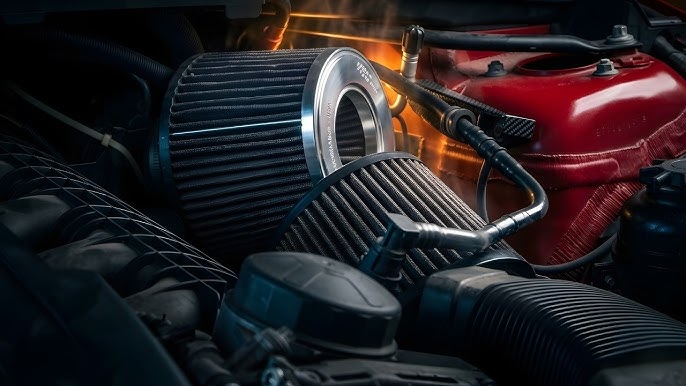
- Cold air intakes (CAI) relocate the filter away from the engine bay heat, usually down low near the fender or behind the bumper, with a heat shield isolating it from the hot engine. The whole pitch is denser, cooler intake air.
- Short ram intakes (SRI) keep the filter in the engine bay, close to the throttle body, prioritizing a short, straight pipe run over intake air temperature. They're often louder and more aggressive-sounding because the filter sits right next to the engine, sucking in hot air.
The tradeoff in plain terms:
- CAIs generally perform better in stop-and-go traffic and hot climates because they keep intake air temps down
- SRIs can actually make slightly more peak power at high RPM and wide-open throttle because the shorter path reduces flow restriction, at the cost of pulling in hotter air
- CAIs are usually more complex and expensive to install because of the extra piping and heat shielding
- SRIs are cheaper and simpler but more prone to heat soak in traffic
Neither one is objectively "better." It depends what you're actually optimizing for, daily commuting versus autocross versus straight-line dyno pulls.
📊 What the Dyno Actually Shows
The Honest Number Range
This is where enthusiast forums and manufacturer marketing diverge hardest from reality. The number you'll see thrown around casually is "10-20 horsepower," and that number is almost never what an independent dyno test on a stock, otherwise unmodified engine actually shows.
What independent, controlled dyno testing generally finds on a naturally aspirated engine with no other changes:
- 1 to 5 horsepower gain at peak, on most stock engines, with a well-designed intake
- Sometimes a flat or negligible gain, especially on engines with already-efficient factory intake tracts
- Occasionally a small loss in the low and midrange if the new intake tract disrupts airflow tuning the factory engineers dialed in
- A slightly different torque curve shape, not necessarily more torque overall, just redistributed
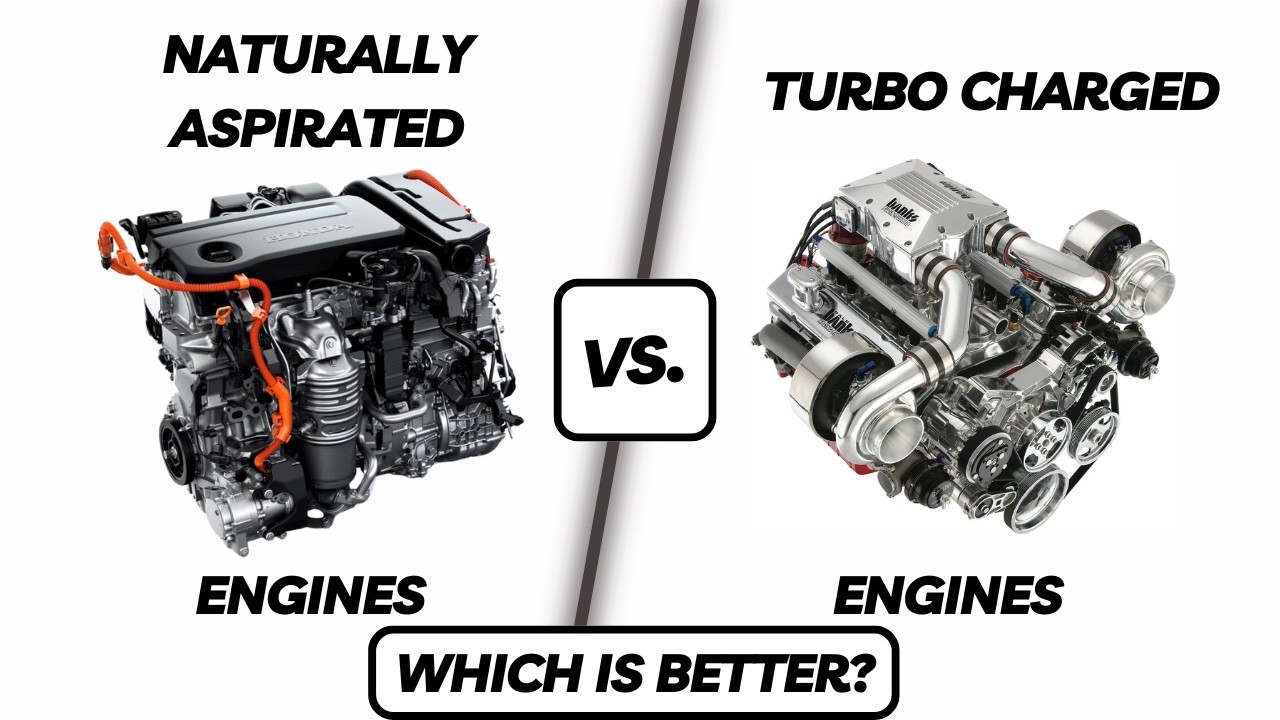
On turbocharged and forced-induction engines, the story changes:
- Turbo engines are far more intake-restriction sensitive than naturally aspirated ones, because the turbo is trying to pull in as much air as it can to compress
- Gains of 5 to 15 horsepower are more realistic and more commonly verified on turbo platforms, especially ones running aggressive factory boost
- The gain often shows up more in spool response and how quickly the turbo builds boost than in outright peak number
So if you own a turbocharged car, an intake genuinely does more work for you than if you own a naturally aspirated one. That's not folklore, that's just how forced induction interacts with intake restriction.
Why Manufacturer Marketing Numbers Are Higher
Companies selling intakes love to advertise dyno graphs showing bigger gains, and a lot of those graphs aren't lying exactly, they're just cherry-picked. A dyno pull done back to back on the same day, same car, same conditions, right after swapping parts, tends to show inflated differences because:
- Dyno runs have natural run-to-run variance, sometimes 2-3 horsepower just from a slightly different pull
- Marketing tends to publish the best run of the modified car against the worst run of the stock baseline
- Some tests are done alongside a tune or other supporting mods without disclosing it clearly
- Heat soak differences between back-to-back pulls can swing numbers without the intake being the real cause
None of this means intakes are a scam. It means the honest gain is smaller and more situational than the box art suggests.
🔊 The Real Reason People Buy Them: The Sound
Sound Is the Actual Product
Here's the part most gearheads won't say out loud, but the entire intake aftermarket industry quietly knows it: most people aren't buying a cold air intake for the dyno sheet. They're buying it for what it does to the sound and feel of driving the car.
A stock intake is engineered to be nearly silent. An aftermarket intake, especially an open-element conical filter with no airbox around it, exposes you directly to turbo whistle, intake howl at high RPM, and a much sharper throttle response feel even when the actual power delivery hasn't meaningfully changed.
What changes in the cabin, even with a near-zero horsepower gain:
- A noticeably louder, sharper intake noise under acceleration
- Turbo spool and blow-off valve sounds becoming audible where they were muffled before
- A perceived "faster" feeling from the sound and throttle response alone, independent of actual output
- A more mechanical, raw feeling that many owners describe as the car "waking up"
This is exactly why an intake feels like such a big upgrade to a new owner even when a dyno sheet says otherwise. Human perception of speed and power is deeply tied to sound. A car that sounds more aggressive genuinely feels faster behind the wheel, even at identical horsepower.
Spota tip: if you've just installed your first intake and want to actually document that "the car woke up" moment, drop the before-and-after into your Garage timeline. It's the kind of milestone that means nothing to a stranger and everything to you a year later when you're three mods deeper.
⚠️ The Real Risks Nobody Mentions at the Meet
Heat Soak and Hydrolock
Cold air intakes aren't purely upside. Two failure modes get glossed over constantly:
- Heat soak happens when a poorly shielded intake, especially a cheap short ram design, sits close enough to the engine that it starts pulling in hot underhood air instead of cool ambient air, especially in stop-and-go traffic. In the worst cases, a bad heat soak setup can actually make your car slower in daily driving than the factory airbox, even if it dynos better on a cool pull.
- Hydrolock risk goes up with any intake design that positions an exposed filter low in the engine bay or behind the bumper, right in the path of standing water on a flooded road. An engine can't compress water the way it compresses air, and pulling water into the cylinders through a low-mounted intake can bend a rod or destroy an engine outright. This is a real, documented failure mode, not enthusiast paranoia, and it's the single biggest argument for a properly shielded, well-positioned CAI over a cheap universal kit mounted wherever it fits.
Questions worth asking before you buy one:
- Does this design include a real heat shield, or just a filter and a pipe
- Where does the filter actually sit relative to flood-prone areas like the fender well
- Has anyone with my exact car documented a legit before-and-after dyno, not just a marketing graph
- Am I buying this for the sound, the small gain, or both, and is the price still worth it either way
🛠️ The DIY Factor: Why This Mod Built an Entire Culture Around Itself
An Hour, a Socket Set, and Zero Tuning Knowledge Required
Part of why the cold air intake became the default entry point into modding has nothing to do with horsepower at all. It's about accessibility. Most intake installs take under an hour with a basic ratchet set, a screwdriver, and a YouTube tutorial for your exact make and model. No welding, no wiring harness surgery, no trip to a tuner.
Compare that to the next few mods on a typical build list:
- Coilovers require alignment work afterward, and getting that wrong can chew through tires fast
- Exhaust systems often need a lift or ramps and occasionally some persuasion with a torch on rusted bolts
- Any kind of tune requires either a handheld flasher, a shop visit, or enough knowledge to not brick your ECU
- Turbo or supercharger kits are a full weekend project minimum, often with fabrication involved
An intake skips almost all of that. Unbox it, unclip the factory airbox, route the new piping, clamp it down, and you're driving away with a different-sounding car in the same afternoon you bought it. For someone's first real mod, that low barrier to entry matters more than the spec sheet.
Why It Became a Rite of Passage Instead of Just a Part
Car culture runs on shared experience as much as it runs on actual mechanical knowledge. Everyone who's been in the hobby for more than a year has some version of the same story: the first time they heard their own intake suck air on a hard pull, sitting in a parking lot revving their engine like an idiot with a grin on their face. That shared memory is why intakes get talked about with more affection than their actual dyno numbers deserve. It's not really about the part. It's about the moment it represents, the first tangible proof that this is now your car, not just the one you happened to buy.
💸 Cost, Warranty, and Legality: The Practical Questions
What You're Actually Paying For
Prices for a quality cold air intake typically land somewhere between budget-friendly and mid-range depending on the platform, with popular JDM and domestic performance cars supported by multiple established brands competing on the same fitment. Universal kits sold for whatever car fits are almost always the cheapest option and almost always the worst engineered, since a shield and pipe designed for no specific engine bay usually fits none of them particularly well.
What separates a good intake from a bad one at checkout:
- A heat shield engineered specifically for your engine bay's actual layout, not a generic box
- A filter with a documented, reasonable service life and a real micron rating, not just "high flow" on the label
- Piping mandrel-bent rather than crimped, since crimped bends restrict airflow at exactly the spots that matter
- A brand with actual independent dyno data on your specific platform, not just marketing renders
Does It Void Your Warranty?
This question comes up constantly, and the honest answer is more nuanced than yes or no. In the US, the Magnuson-Moss Warranty Act generally prevents a manufacturer from voiding your entire warranty just because you installed an aftermarket part. What it does allow is denying a specific claim if the dealer or manufacturer can demonstrate the modified part actually caused the failure. In practice, that means an intake swap is unlikely to torch your whole warranty, but if your engine has a documented hydrolock or intake-related failure while running one, don't expect a sympathetic service writer.
The CARB and Emissions Question
If you're in California or another state that follows CARB emissions rules, this actually matters more than most first-time buyers realize. Not every intake sold online is CARB legal, and running a non-compliant one can be a genuine problem at smog check time in states that enforce visual modification inspections. Reputable manufacturers publish an Executive Order number for CARB-compliant products. If a listing doesn't mention one and you live somewhere that checks, that's worth confirming before you buy, not after you fail an inspection.
🎯 Why It's Still the Right First Mod, Even With Modest Gains
None of this makes a cold air intake a bad purchase. It makes it an honest one, once you know what you're actually buying. It's a low-risk way to learn your engine bay, get comfortable with basic wrenching, and get an immediate sensory reward that keeps you interested in the hobby. That's worth something on its own, separate from the horsepower argument entirely.
The mistake is buying one expecting a night-and-day power transformation and then feeling let down when the dyno comes back with a modest single-digit number. Buy it for what it actually delivers: a meaner sound, sharper throttle feel, a little more airflow especially if you're turbocharged, and the confidence that comes from doing your first real mod yourself.
Every car guy remembers their first intake. Almost nobody remembers the actual dyno number. That tells you everything about why this mod has survived as the unofficial entry point into the hobby for decades, and why it's not going anywhere.
If you're logging your build progression, this is exactly the kind of milestone worth tracking in your Garage, right alongside your first wheel swap and whatever comes after the intake inevitably isn't enough.
Related reading: Why Every Car Guy Becomes a Mechanic AFTER Buying Mods and Why Turbo Cars Need a Cool-Down.