
🏷️ The Second Sticker
Every new car has a window sticker. Everyone knows what it looks like: MSRP, options, destination fee, the little breakdown of exactly what the manufacturer says the car is worth. That sticker has been the same for decades. It's boring. It's honest. It's not the problem.
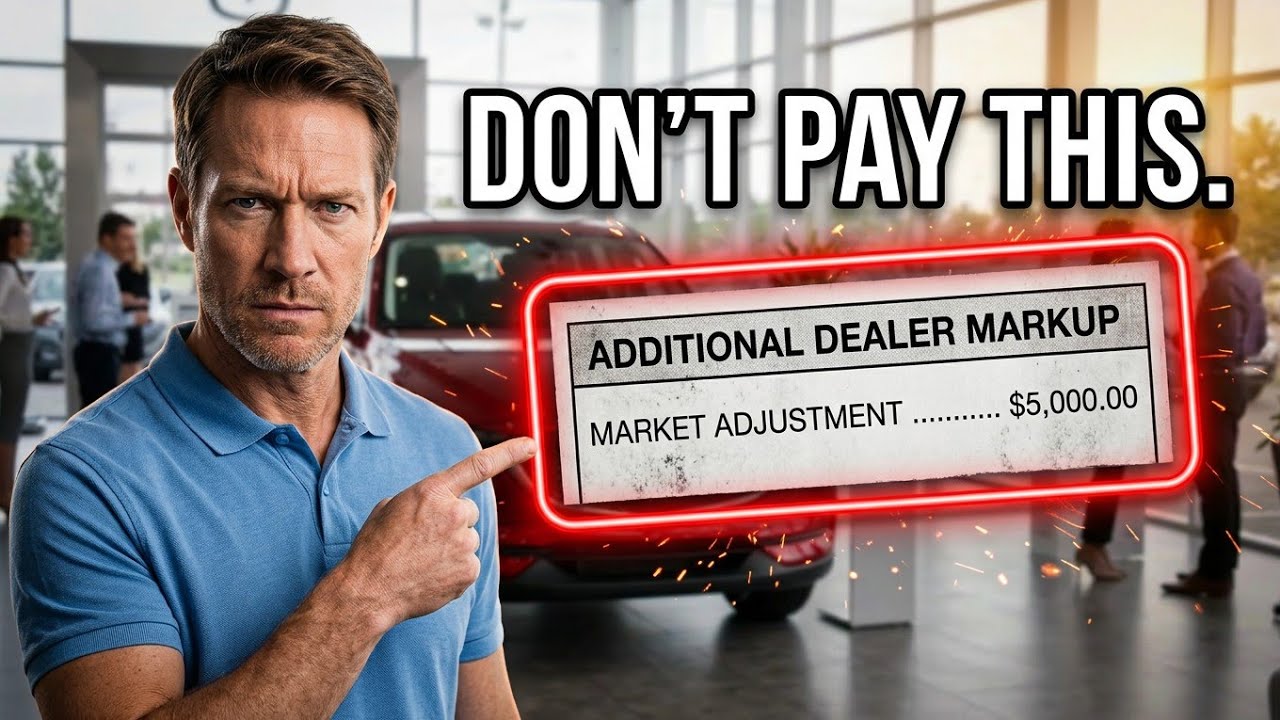
The problem is the sticker that shows up next to it. A second piece of paper, taped or printed right beside the factory one, usually with a name that sounds almost official: "Market Adjustment." "Additional Dealer Markup." "ADM." Sometimes just "Value Adjustment," like it's doing you a favor. Underneath it, a number. Five thousand. Ten thousand. On the right truck at the right moment, twenty-five thousand dollars, stacked on top of a sticker price that was already the final answer.
Car people were told this was temporary. Chip shortage, empty lots, a once-in-a-generation supply crunch, dealers charging what the market would bear because for a minute, actual demand outran actual supply. Fine. Annoying, but at least it made a kind of sense. Then the chip shortage ended. Lots filled back up. Incentives came back. And the market adjustment sticker just... stayed. On the hot trucks, the new EVs, the reissued icons, the cars everyone actually wants, it never really left.
This is the story of why that sticker survived the thing that supposedly created it, and what to actually do about it the next time you're standing in a showroom staring at a number that doesn't match the one you researched online.
📈 What "Market Adjustment" Actually Means
Strip away the official-sounding name and a market adjustment is one thing: a dealer deciding to charge more than MSRP because they think you'll pay it, and betting that someone will if you won't.
That's it. There's no formula behind it, no government pricing board, no manufacturer directive. MSRP stands for Manufacturer's Suggested Retail Price for a reason. It's a recommendation, not a ceiling and not a floor. The dealer owns the car the second it rolls off the truck (or, more accurately, the dealer is usually financing it through a floor plan loan), and once they own it, they can price it however they want. A markup sticker is just a dealer exercising that right in the most visible, least subtle way possible.
Here's the part that catches people off guard: it's completely legal in almost every state. A handful of states have weak "no markup on MSRP" style consumer protections for specific situations, but broadly, if the dealer wants to add a market adjustment line, they can. There's no federal rule against it. The manufacturer whose name is on the hood usually can't stop it either. Automakers have sent public statements begging dealers not to do it during high-demand launches, framed markups as bad for the brand's image, and dealers largely ignored them, because the automaker doesn't control what an independently owned dealership charges once the car is on the lot.
That's the piece a lot of frustrated buyers get wrong when they call the manufacturer to complain. The factory can't order a dealer to remove a markup any more than a shoe company can order a sneaker reseller to sell at retail. The franchise dealer model was built specifically so manufacturers don't set final consumer pricing. That structure protects dealers from all kinds of pressure. It also means it protects their right to add a five-figure "adjustment" with a straight face.
🔥 The Chip Shortage Didn't Create This. It Just Made It Obvious
Market adjustments existed long before 2021. Anyone who tried to buy a new Toyota Supra at launch, a first-year Bronco, a limited-run Hellcat, or basically any hyped halo car for the last twenty years has seen a version of this. Dealers have always marked up genuinely scarce, genuinely desirable inventory. That's not new.
What the chip shortage did was take a niche, halo-car phenomenon and apply it to everything. Suddenly a Honda CR-V, a completely ordinary crossover that has never been hyped a day in its life, had a five-thousand-dollar market adjustment sticker on it, because there simply weren't enough of them and every dealer on the lot knew it. That's when the practice went mainstream, when regular car buyers who'd never chased a limited-edition anything suddenly ran into ADM pricing on a family SUV.
And once an entire generation of sales staff and dealer principals watched, in real time, how little resistance buyers put up, the lesson landed hard: people will pay it. Not everyone. But enough people, often enough, that a sticker doing nothing but sitting there costs the dealership nothing to try. Worst case, nobody bites and they knock it off for the next customer. Best case, someone's tired, someone's desperate, someone just wants the car today, and the dealer pockets the difference for free.
That's the actual mechanism behind why it never fully went away. It's not that supply never recovered everywhere. It's that dealers learned a pricing lesson they're not going to un-learn just because the excuse that justified it expired.
🚙 Where It's Still Happening in 2026
Supply chains normalized years ago for most mainstream vehicles, and on plenty of cars the sticker is gone, replaced by the incentives and rebates that used to be normal. But the practice concentrated where it still works:
- Genuinely hyped new EVs and reissued nameplates: anything with a waitlist and a hype cycle attached still sees ADM stickers in the first six to twelve months on the lot.
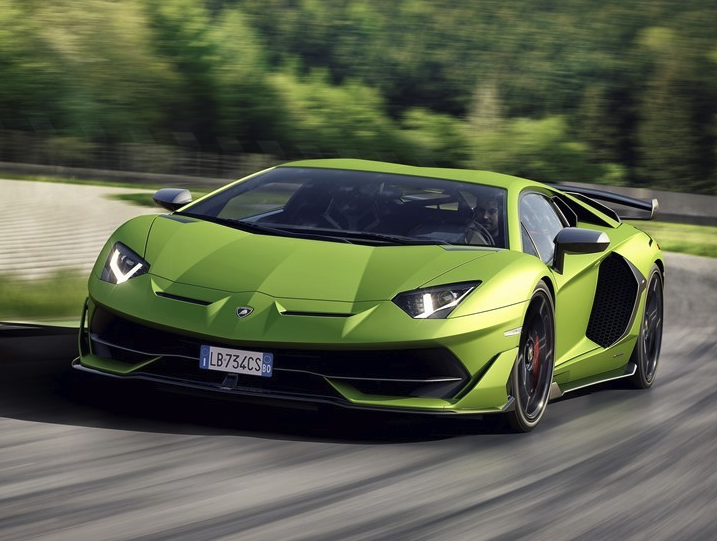
- Halo performance cars in low allocation: the last of a discontinued V8, a limited trim, a manual-only special edition. Car guys already know this one. It's the same story as the old Hellcat and GT500 markup wars, just with a new badge on the hood every couple years.
- Full-size trucks and off-road trims during peak season: a fully loaded off-road trim of a popular truck, right when everyone's shopping before a holiday weekend, still routinely carries a "market adjustment" line at high-volume dealer groups.
- Anywhere a dealer group has enough regional market power: in areas with only one or two franchises for a brand within a reasonable drive, buyers have fewer places to walk into, and markups tend to be stickier there than in a market with five competing dealers fighting for the same sale.
The tell is always the same: scarcity plus hype plus a captive local buyer. Take away any one of those three, and the sticker usually comes off fast, because the dealer needs to move the car and a markup sitting on a lot isn't earning anyone anything.
🛠️ How to Actually Avoid Paying It
This is the part that actually matters, because knowing why the sticker exists doesn't help if you're the one standing in front of it.
- Call ahead, always. Never walk in cold for a hot vehicle. Call or email the internet sales desk and ask directly: "Is there a market adjustment on this VIN, and if so, how much?" Get it in writing if you can. This alone filters out a huge chunk of wasted trips.
- Widen your radius. Markups are local and inconsistent. The same trim of the same truck can carry a full ADM sticker at one dealership and sell at or under MSRP forty-five minutes away, because that store has different inventory pressure. A few phone calls across a metro area routinely turns up a no-markup unit.
- Order instead of buying off the lot. A factory order locks in your build and, at most (not all) franchises, locks in pricing closer to invoice or MSRP because the dealer isn't taking on unsold lot risk. It takes longer. It also sidesteps the markup conversation entirely on plenty of brands.
- Use the manufacturer's own inventory tool against them. Most brands now show real-time dealer inventory and, on some platforms, even flag which dealers are pricing above MSRP. That transparency didn't exist a decade ago. Use it.
- Watch for the end of a model year or the end of a hype cycle. The exact same car that had a ten-thousand-dollar sticker on it in month two often has zero markup, plus a rebate, in month fourteen. Patience is the cheapest tool in this entire list, if you have it to spend.
- Be willing to actually walk. Every account of successfully avoiding a markup starts the same way: the buyer was ready to leave, meant it, and either the dealer caved on the spot or they bought somewhere else within the week. A dealer with a markup sticker is testing you specifically. If the test fails, the price usually moves.
None of this is guaranteed. Some dealer groups, especially ones with real regional exclusivity on a hot vehicle, will simply hold the line and sell to the next person in line who won't push back. But the buyers who never pay ADM pricing are, almost without exception, the ones who treated the sticker as a negotiation opener instead of a final number.
🚗 The Part Nobody Advertises: Markups Follow You Into Ownership
Here's the angle that gets skipped in most "how to avoid dealer markup" advice: what a markup actually costs you doesn't stop at the sale.
A car you overpaid for by ten grand depreciates from a higher starting number, which means a bigger gap between what you owe and what it's worth for years afterward, especially if you financed the markup instead of paying it in cash. It changes your break-even math on every mod you were planning to do, every "should I sell this or keep it" decision down the road, every trade-in conversation for the next car after this one. The sticker isn't a one-time annoyance. It's a number that follows the car through its entire ownership history.
Spota tip: if you do end up chasing a hyped car through a market-adjustment gauntlet and finally land it at a price you're happy with, that whole story, dealer standoff and all, is worth logging as the first entry in your Garage timeline. Future you (or whoever buys the car off you in six years) will actually want to know what it took to get it in the driveway, not just what you did to it once it was there.
If you're weighing whether to wait out a hype cycle in the first place, it's worth reading up on why used car prices never came back down too. Markups and the broader pricing mess are two symptoms of the same post-shortage market, and understanding one makes the other a lot less mysterious.
❓ Frequently Asked Questions
Is a dealer market adjustment legal?
Yes, in almost every state. MSRP is a suggested price, not a legal ceiling, and dealers are independently owned businesses free to set their own prices once they own the vehicle. A small number of states have narrow consumer protections around specific pricing practices, but a straightforward "market adjustment" line is legal nationwide.
Can the manufacturer force a dealer to remove a markup?
Not directly. Automakers have publicly discouraged the practice and some have tried incentive structures to punish dealers who mark up hyped models, but the franchise system generally prevents manufacturers from dictating a dealer's final consumer price.
Why did market adjustment stickers become common during the chip shortage?
Severe inventory shortages meant dealers had far more demand than supply for almost every vehicle, not just hyped ones. Dealers added markups because buyers, faced with months-long waits everywhere else, paid them. That behavior taught dealers the practice worked even outside genuine scarcity.
Which cars still get market adjustment pricing in 2026?
Mostly newly launched or hyped EVs, limited-run halo performance cars, fully loaded trucks during peak buying season, and any vehicle with real regional scarcity where a dealer group has limited local competition.
What's the best way to avoid paying a markup?
Call ahead before visiting a dealership, check inventory at competing dealers within driving distance, consider a factory order instead of buying off the lot, and be genuinely willing to walk away. Waiting past the initial hype window also tends to make markups disappear.
Does financing a marked-up car cost more than just the markup itself?
Yes. A financed markup accrues interest over the loan term, and it raises your starting depreciation baseline, which affects trade-in value and equity position for as long as you own the car.
A sticker with a made-up number on it only works if somebody pays it. The dealers know that better than anyone, which is exactly why the sticker keeps coming back.