

📈 The Promise That Never Happened
Somewhere around 2022, every car forum had the same thread pinned at the top: "prices will come back down once the chip shortage clears." People screenshotted Manheim index charts like they were reading tea leaves. Everyone had a theory, and everyone's theory ended the same way: hold off buying, wait it out, the correction is coming.
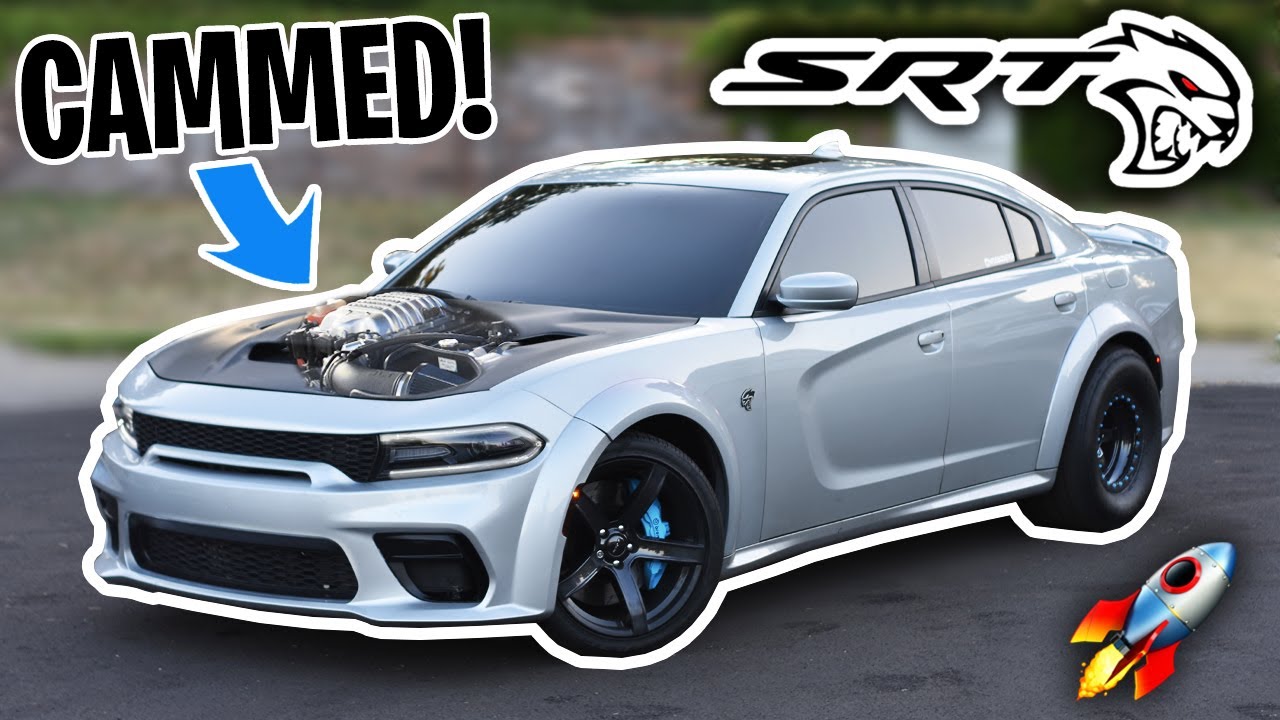
It's 2026. The correction never really came. Not to the degree anyone actually needed. A car that would've been $9,000 in 2019 is still routinely $14,000-$16,000 today, and the enthusiast segment, the manual hatchbacks, the low-mile trucks, the clean project cars, got hit even harder because now everybody's hunting the same shrinking pool of cars.
This isn't a rant about "the economy." It's the actual mechanical chain of events that broke the used market, and why the parts of it that hurt car people specifically aren't going away anytime soon.
🏭 It Started With New Cars, Not Used Ones
The used market didn't spike because used cars got more valuable. It spiked because new car production collapsed and nobody had anywhere else to go.
The semiconductor shortage that hit in 2020-2021 wasn't a minor supply hiccup. Automakers build cars with hundreds of chips in them now, everything from the infotainment screen to the module that runs your power steering, and when the chip supply dried up, factories didn't slow down, they stopped entirely. Weeks at a time. Some plants sat idle for months.
Automakers made a call that reshaped the whole market: instead of spreading the limited chip supply thin across every trim level, they prioritized their most profitable vehicles. Loaded trucks and SUVs kept rolling. Base-model economy cars, the cheap, high-volume stuff that actually keeps used prices in check, got cut first and cut hardest. That decision alone erased a huge chunk of the affordable end of the new car market, and every buyer who would've bought one of those got pushed straight into the used lot instead.
Add to that: dealers stopped stocking inventory because there was nothing to stock. Lots that used to hold 300 cars were running 20. When supply disappears and demand doesn't, price is the only thing left to move, and it moved fast.
🔁 The Rental and Fleet Pipeline Broke Too
Here's the part most people don't think about: a massive chunk of the used market has always come from fleet and rental cars getting cycled out after 1-3 years. That's where a big slice of "affordable, low-mile" used inventory has historically come from.
During the shortage, rental companies couldn't get new cars either. Hertz, Enterprise, and the rest didn't have replacement fleets coming in, so they held onto their existing cars longer instead of cycling them out on schedule. Some companies even bought used cars at retail to keep fleets running, which is backwards from how the industry is supposed to work and it pumped even more demand into an already starved used market.
The knock-on effect: the pipeline of clean, well-maintained ex-fleet cars that used to flood the used market every year slowed to a trickle. That supply still hasn't fully recovered, because rental fleets take years to rebuild to their old cycling patterns, not months.
💰 Interest Rates Made It Worse, Not Better
The textbook answer to an overheated market is "raise rates until demand cools off." That's exactly what happened, and it absolutely should have brought prices down. Instead it created a weirder problem for car people specifically.
Higher interest rates did cool overall demand. Fewer people financing $40,000 crossovers. But they also did something less obvious: they pushed a lot of buyers who would've bought new into the used market instead, because a used car at a lower price point with a punishing interest rate was still cheaper monthly than a new one at the same punishing rate. That kept demand pressure on used inventory even as the broader economy cooled.
Spota tip: if you're financing a project car right now, run the total cost of ownership including interest before you fall in love with the listing price. A "cheap" $8,000 car at a bad rate can cost more over three years than a $12,000 car at a good one.
At the same time, higher rates made it more expensive for dealers to hold inventory ("floorplan" financing), which pushed them to price cars to move fast rather than let them sit, and that kept transaction prices sticky even when sticker prices technically softened.
🔧 Why Enthusiast Cars Got Hit Even Harder Than the Average Sedan
The broad used market has cooled some since the 2021-2022 peak. Average transaction prices are down from the absolute top. But if you're specifically hunting for a manual transmission car, a clean low-mile example of a discontinued model, or anything with a cult following, you've probably noticed the discount didn't apply to you.
A few reasons why:
- Manuals are a shrinking, non-renewable resource. Fewer than 2% of new cars in the US ship with a manual transmission now. Every manual car that gets crashed, worn out, or converted to auto is one that's never coming back. Scarcity in a shrinking category doesn't correct with the broader market, it just gets scarcer.
- Enthusiast demand doesn't behave like normal demand. A regular buyer cross-shops a Camry against an Accord against a Sonata. Someone chasing a specific generation of WRX or a clean E46 M3 isn't cross-shopping, they want that car, which means normal supply-and-demand price discovery barely applies. People will pay well past "rational" for the right example.
- Social media turned "sleeper" and "unicorn" listings into bidding wars. A genuinely clean, unmodified, low-mile example of anything desirable gets found and fought over within hours of posting now, not days. That wasn't really true a decade ago when Craigslist and local classifieds were the main channel.
- Depreciation curves flattened for anything people actually want to keep. Cars that used to lose 15% of their value the moment they left the lot are now holding value much longer, sometimes appreciating, because the pool of "cars people actually want" got smaller relative to the pool of buyers chasing them. If you've ever wondered why your friend's clean Type R is worth more now than three years ago, this is why. There's a longer breakdown of that dynamic in our piece on why depreciation quietly works in enthusiasts' favor.
🧾 Insurance and Parts Costs Piled On Top
Prices didn't just move at the point of purchase. The total cost of owning any car, especially a modified one, climbed everywhere at once.
Insurance premiums jumped hard across the board starting in 2022 and mostly stayed up, driven by more expensive repair costs (cars are loaded with cameras and sensors now that turn a simple bumper tap into a four-figure repair), higher replacement values on the cars being insured, and insurers pricing in more risk after a few rough years of claims data. If you're running mods, the math gets even less forgiving, which is its own rabbit hole covered in why modified car insurance got so brutal.
Parts costs climbed too. Steel, aluminum, and semiconductor-dependent components all got more expensive through the same supply chain mess that hit new car production, and a lot of those higher input costs never fully rolled back once the immediate crisis passed. Manufacturers rarely cut a price once they've raised it and the market absorbed it.
🔮 Is It Ever Coming Back Down?
Realistically: partially, slowly, and not evenly.
The broad used market has already cooled meaningfully from the 2021-2022 peak as new car production normalized and inventory rebuilt. If you're shopping for a generic commuter sedan, you're in a much better spot than you were two years ago.
But the enthusiast corner of the market is a different animal, because its price floor isn't really set by supply chains anymore. It's set by scarcity that's structural, not cyclical. Manuals aren't coming back in volume. Naturally aspirated performance cars aren't coming back. The specific generation of car that hit the sweet spot of "reliable enough to daily, fun enough to mod" before manufacturers buried everything in turbos and touchscreens isn't getting made again. That kind of scarcity doesn't have a correction waiting on the other side of it. It just gets tighter every year those cars get older.
The practical takeaway for anyone building a garage right now: the "wait for the market to cool" strategy that worked in past decades doesn't really apply to the cars enthusiasts actually chase anymore. If you find a genuinely clean example of something you want at a fair price, that's not a market you should assume will still be there next year.
🏁 The Real Lesson
The used car spike taught an entire generation of buyers a lesson the market usually only teaches once every few decades: the car you want isn't guaranteed to be replaceable. Prices went up because the supply of interesting, well-kept cars got squeezed from every direction at once, chips, fleets, rates, insurance, and scarcity all landing in the same three-year window.
Track your own hunt, your maintenance history, and every mod once you land the right car in your Spota garage, so the next time someone tells you "prices will come back down eventually," you've at least got proof of what it actually cost you to wait.