
🚛 The Truck That Passed Inspection Last Year and Somehow Sounds Different Now
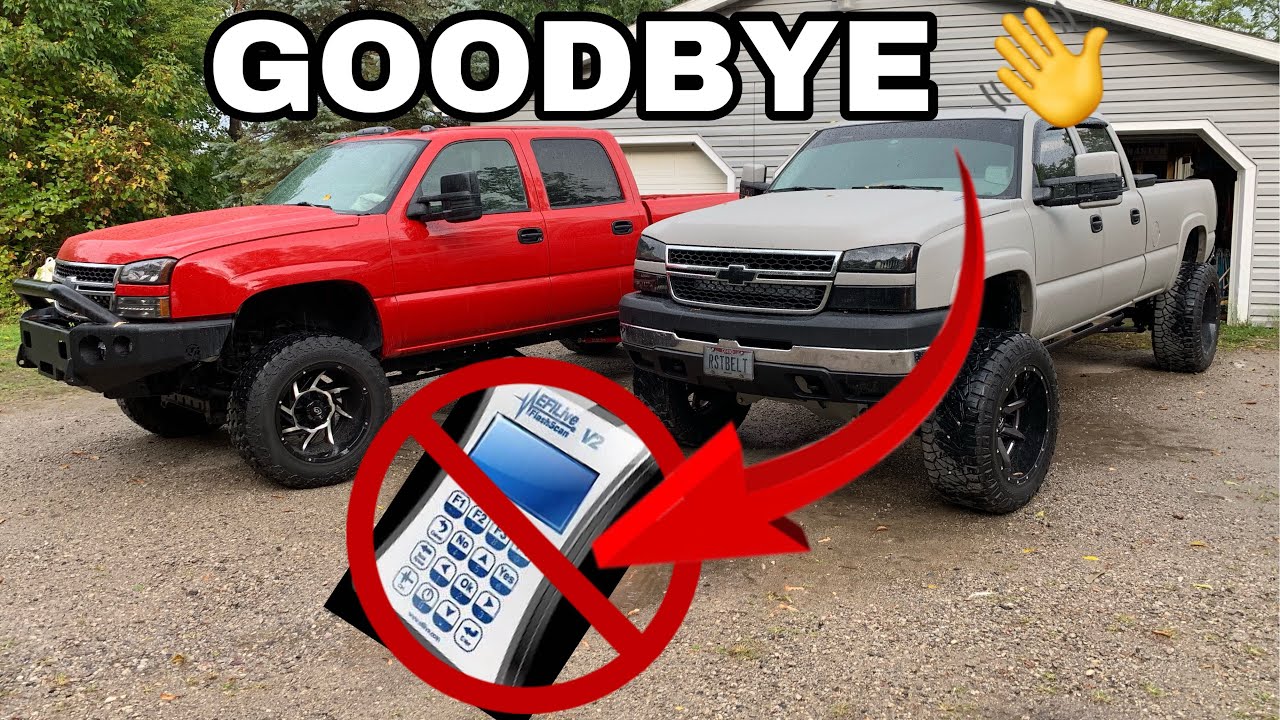
You know the sound. A lifted Super Duty or a 2500 with a straight pipe rolls into the gas station and the whole forecourt turns around. No rattle, no drone, just a deep diesel clatter with nothing quiet about it.
Ask the owner what's under there and you might get a shrug. Ask a diesel forum and you'll get a five-thousand-word argument. Because that truck almost certainly isn't running what it left the factory with. Somewhere between the dealership and that gas station, the DPF, the EGR valve, or the DEF system quietly disappeared.
Here's the part that surprises people outside truck culture: this isn't a gray area. It's not a "check your local laws" situation like tint or exhaust decibels. Tampering with emissions equipment on a diesel truck is a federal crime under the Clean Air Act, and the EPA has handed out fines in the hundreds of millions of dollars to shops that do it for a living.
And truck guys keep doing it anyway. So let's actually break down why, what's getting deleted, and what you're trading away when you do it.
🔧 What "The Delete" Actually Means
"Diesel delete" isn't one mod. It's shorthand for pulling out or disabling one or more of three emissions systems that came standard on nearly every diesel pickup built after the mid-2000s:
- DPF delete: removing the diesel particulate filter, the honeycomb-shaped trap that catches soot before it exits the tailpipe
- EGR delete: disabling the exhaust gas recirculation valve, which routes some exhaust back into the intake to lower combustion temperatures
- DEF delete: bypassing the diesel exhaust fluid system (the urea injection that neutralizes NOx emissions in the SCR catalyst)
A full "delete and tune" strips all three and reflashes the ECU so the truck doesn't throw codes or limp into a reduced-power mode. It's one of the most common services offered at diesel performance shops, right there next to lift kits and turbo upgrades, which tells you how normalized it's become even though it's flatly illegal to sell, install, or drive on public roads.
💨 Why Owners Actually Do It
Nobody deletes a truck because they woke up wanting to pollute more. The reasons are almost always mechanical or financial, and they're worth taking seriously even if the fix is illegal.
The DPF clogs, and clearing it is expensive and annoying. A DPF captures soot and periodically burns it off in a process called regeneration ("regen"). Short trips, city driving, and towing at low RPM mean the filter never gets hot enough to regen properly. It clogs. When it clogs, power drops, fuel economy tanks, and eventually the truck goes into limp mode until you pay for a forced regen or a filter replacement that can run well over a thousand dollars.
EGR valves gunk up with carbon and fail. Recirculating exhaust gas means recirculating soot, and that soot builds up on the EGR valve and cooler over time. A stuck-open or stuck-closed EGR valve throws codes, hurts drivability, and on some engine families is a known, repeat-offender failure point.
DEF systems are finicky and expensive to fix. The urea injection system relies on sensors, heaters, and lines that live in one of the harshest environments on the truck. A failed DEF heater or NOx sensor can be a four-figure repair, and if the system throws a fault, many trucks are programmed to derate power or refuse to restart once you shut them off.
Towing and power. Every one of those systems adds backpressure and parasitic load. Pull them and add a tune, and you can pick up real horsepower and torque, especially useful for guys towing heavy trailers who feel every ounce of factory restriction.
The "it's a work truck, not a show car" logic. A lot of owners aren't chasing dyno numbers. They're trying to keep an aging truck on the road without a five-figure repair bill on emissions parts that, in their experience, fail faster than the engine around them.
None of that makes it legal. It makes it understandable, which is a different thing, and it's why the delete conversation never actually dies even as enforcement ramps up.
⚖️ The Legal Reality Nobody Wants to Read
This is the part that gets glossed over at the truck meet. Tampering with emissions controls on a road vehicle violates the Clean Air Act, and enforcement isn't hypothetical.
- It's illegal to sell delete kits, tune files, or "defeat devices." The EPA doesn't just go after individual owners; it goes after the manufacturers and tuning companies that make deletes possible, and several of the biggest names in diesel performance have paid nine and ten figure settlements for exactly this.
- It's illegal to install one for a customer. Shops that offer delete-and-tune services as a line item are doing something federally prohibited, even if it's advertised openly.
- It's illegal to drive a deleted truck on public roads, full stop, in every state, regardless of local emissions testing rules.
- Fines are per violation, not per truck. A shop caught installing defeat devices can be fined per device sold, which is how penalties balloon into the hundreds of millions for repeat offenders.
- Many states now fail deleted trucks at inspection, and some have visual emissions checks specifically looking for a missing DPF or DEF tank.
- Insurance and resale get complicated. A deleted truck that gets in an accident can give an insurer grounds to dispute a claim, and reputable dealers increasingly won't touch a truck with an obviously deleted exhaust.
The federal government has been increasingly aggressive about this specific issue over the past several years, partly because deleted diesels produce dramatically more particulate matter and NOx than a functioning system, and partly because the aftermarket delete industry got large enough to actually show up in national emissions data.
🌫️ What You're Actually Trading Away
Say what you want about regulation, but the emissions systems on a modern diesel aren't purely decorative. Deleting them has real costs beyond the legal exposure.
You lose the safety margin the factory built in. DPFs and EGR systems were engineered to work with the rest of the engine's cooling and combustion tuning. A "delete and tune" that isn't dialed in correctly can push exhaust gas temperatures and cylinder pressures outside the ranges the engine was designed for.
Resale value takes a hit with informed buyers. Diesel-savvy shoppers know a deleted truck is a liability, both legally and mechanically, and will either walk away or lowball hard. You're narrowing your buyer pool to people who either don't know or don't care.
"Deleted and tuned wrong" is a common failure story. Search any diesel forum long enough and you'll find owners who deleted a truck for reliability and power, only to blow a head gasket, crack a piston, or cook a turbo because the tune wasn't matched to the hardware. Deletes done cheaply and without dyno tuning are some of the fastest ways to turn a reliable diesel into an unreliable one, which is the exact opposite of the reason most people do it.
The legitimate fix is usually cheaper than people assume. Regular regens, staying on top of EGR cleaning, and not ignoring early warning codes prevent most of the failures that push people toward deleting in the first place. It's less dramatic advice, but it's the one that keeps you legal and keeps the truck running.
🛻 The Culture Split This Creates
Diesel culture has its own version of the stance-versus-function debate that splits the rest of the car world. On one side: guys who see deletes as a reasonable response to genuinely bad factory systems, especially on early-generation DPF trucks that had real teething problems. On the other: owners, mechanics, and increasingly the law itself, treating it as straightforward tampering with no legitimate excuse.
What's interesting is how visible this argument is compared to most car-culture debates. Rolling coal, stretched tires, and stance builds mostly play out at meets and on Instagram. Deletes play out in EPA press releases, class-action settlements, and state inspection stations, which is a very different kind of spotlight for a mod that started as a workaround for a clogged filter.
If you're building or documenting a diesel project, that's exactly the kind of chapter worth logging honestly. Spota tip: track the real state of your truck, deleted or not, in your Garage timeline. Being straight about what's actually under the hood matters if you ever sell the thing, and it makes for a far more credible build story than pretending the emissions system is stock when a quick look under the truck says otherwise.
🔩 So What Should You Actually Do
If your DPF or EGR system is genuinely failing and the repair quote feels impossible, a delete might look like the only rational option in the moment. It isn't. It's an illegal one with real mechanical downside, and enforcement has only gotten more serious, not less.
The better move, unglamorous as it is: stay ahead of maintenance, budget for the emissions repair the same way you'd budget for a transmission or a turbo, and if you genuinely can't afford to keep a diesel running compliant, that's worth knowing before you buy the next one, not after.
Diesel trucks aren't going anywhere, and neither is the argument about what's legal to do to them. But "everyone at the truck meet does it" has never once held up in front of a federal judge, and it's not about to start now.
For more on where car culture and hard limits collide, check out why modified cars fail smog check and why catalytic converter theft exploded, or browse the full under-the-hood archive for more.