
🧩 The Build That Makes You Look Twice
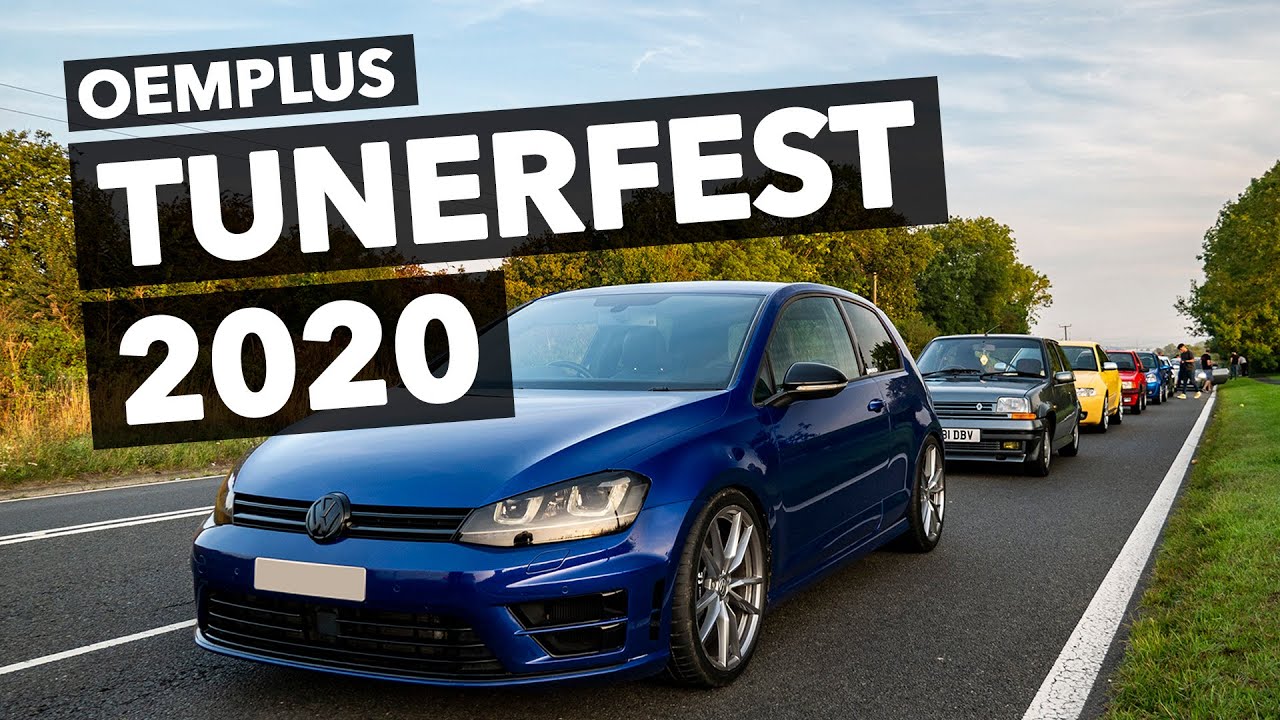
Somebody pulls into the meet in what looks like a clean, stock Golf R. Factory-looking wheels, no wing, no wrap, ride height that reads "well maintained" instead of "slammed." You'd walk right past it.
Then you notice the wheels aren't actually the ones it left the factory with. They're from a higher trim, or a different model in the same lineup entirely, swapped on because they fit the bolt pattern and look like they were always meant to be there. The exhaust note is a half-step deeper than stock. The badges are gone. Nothing about it screams for attention, and that's the entire point.
That's OEM+, and it's quietly become one of the most respected build philosophies in car culture, precisely because it refuses to do what every other build philosophy is trying to do.
Here's why restraint became a flex, and why it's a lot harder to nail than it looks.
🔍 What OEM+ Actually Means
OEM+ (Original Equipment Manufacturer, plus) is the philosophy of modifying a car using parts that look like they could have come from the factory, or actually did, just not on that specific trim or model.
The core rules car people generally follow:
- Wheels are a different factory design (often from a higher trim, a sport package, or a sibling model), not an aftermarket brand with a logo on the center cap
- Lowering is subtle: a factory sport-suspension level of drop, not a stance-culture slam
- Badges get deleted or swapped for a trim the car doesn't actually have, never added flash
- Interior swaps favor factory parts from higher trims (better seats, a different shifter, upgraded trim pieces) over aftermarket
- Exhaust and intake changes are audible if you're listening for them, not audible from three blocks away
- Nothing about the car should make a non-car person look twice. Nothing about it should make a car person not look twice
Compare that to a widebody build, where the entire point is that a stranger who's never opened a car magazine notices it from across a parking lot. OEM+ is built for an audience of one demographic: people who already know what they're looking at. Everyone else is supposed to walk right past it.
It's the automotive equivalent of quiet luxury. The person who can afford anything doesn't need the logo. The car guy who could build anything doesn't need the wing.
🏭 Where the Philosophy Actually Came From
OEM+ isn't new. It's arguably older than most of the mod culture built around loud aesthetics, because it grew directly out of a practical reality: manufacturers already build multiple trims of the same car, and the parts frequently interchange.
A few of the real mechanisms that made OEM+ possible:
- Shared platforms across trims. A base Civic and a Si often share enough of the same chassis and mounting points that Si wheels, sway bars, or brakes bolt on with minimal fuss
- Shared platforms across regions. JDM and Euro-spec versions of a car sold in the US sometimes came with different bumpers, lights, or interior trim that never made it stateside, so importing those parts creates a car that looks like a trim that technically never existed here
- Shared platforms across the parent company. A VW and an Audi sharing a platform means Audi wheels sometimes fit VW bolt patterns and hub bores almost perfectly, which is how a huge chunk of the VW/Audi OEM+ scene was born
- Dealer and factory accessory catalogs. Manufacturers themselves sold factory body kits, spoilers, and wheel packages through dealerships that were never standard equipment, giving builders a legitimate factory-sourced upgrade path
The Volkswagen and Audi scene is probably where OEM+ got codified into an actual named philosophy, with builders spending years figuring out exactly which Audi wheel fits which VW hub with which spacer, and sharing that knowledge obsessively on forums. But the same instinct shows up everywhere: BMW guys running a higher trim's wheels and lip, Subaru owners running STI parts on a WRX, Honda builders running Type R brakes and sway bars under a body that looks bone stock.
Spota tip: if you're chasing a specific factory-plus part, a Garage profile is a useful place to log exactly which trim and market a swapped part came from, since "OEM+" builds live and die on that kind of documentation when someone asks what they're looking at.
🤔 Why It's Actually Harder Than a Loud Build
This is the part that gets lost on people who haven't tried it: OEM+ has a much smaller margin for error than an aggressive build, and it's genuinely more expensive per unit of visual change than most people expect.
Here's why it's a harder game:
- Fitment has to be perfect, because there's no aftermarket flex to hide behind. A widebody kit with slightly uneven panel gaps still reads as "widebody kit." An OEM+ wheel that's 2mm off on offset just reads as a wheel that doesn't quite sit right, with nothing to blame it on
- The parts are often discontinued and harder to source than aftermarket. You can buy a popular aftermarket wheel brand new from a dozen retailers. A specific factory wheel from a trim that was only sold for two model years in one market is a hunt through forums, junkyards, and overseas parts sellers
- There's zero tolerance for "close enough." Aftermarket parts are designed to be universal-ish. Factory parts were designed for one exact application, so anything off-spec (wrong hub bore, wrong offset, wrong bolt pattern) doesn't bolt up clean, it fights you the whole way
- Nobody sees the work. A widebody build gets recognized instantly by anyone with eyes. An OEM+ build only gets recognized by the small percentage of people who know that wheel isn't supposed to be on that car, which means the payoff is smaller and slower, and you have to actually care about doing it right for its own sake
- The knowledge requirement is steep. Pulling off a convincing OEM+ build means knowing which trims exist in which markets, which platforms actually share hardware versus just looking similar, and which "will it fit" forum threads to trust. That's years of accumulated, mostly undocumented knowledge, not a parts catalog you can shop from
That last point is why OEM+ communities online read less like a marketplace and more like a research group. The good threads are twenty pages of people cross-referencing part numbers, hub bore measurements, and offset specs for a single wheel swap that, to an outsider, would look like literally nothing changed.
👀 The Cultural Split: Who Gets It vs. Who Doesn't
OEM+ occupies a strange spot in car culture, because it's simultaneously one of the most respected build philosophies among experienced enthusiasts and one of the most invisible to everyone else, including a lot of newer car people.
Where it earns real respect: Experienced builders tend to see OEM+ as proof of restraint, patience, and actual mechanical knowledge, because you can't fake it with a credit card the way you can fake an "aggressive" build by buying a body kit off the shelf. There's no OEM+ equivalent of ordering a widebody kit and bolting it on over a weekend. Every part has to be individually hunted down, verified, and fitted.
Where it gets misunderstood: Newer enthusiasts, or people outside car culture entirely, often just see a car that "doesn't look modified." Social media rewards builds that photograph loud: big wings, deep stance, bright wraps. An OEM+ build can look nearly identical to a well-kept stock car in a phone photo, which means it gets a fraction of the engagement a flashier build gets, even when it represents more actual skill and money.
This is part of why OEM+ has stayed a somewhat insider movement rather than exploding into the mainstream the way stance culture or widebody kits did. It's built for people who will notice, by people who want to be noticed only by people who notice. That's a much smaller, more self-selecting audience by design, and most OEM+ builders seem completely fine with that trade-off.
For more on the tension between subtlety and spectacle in car culture, see why sleeper cars are the ultimate car guy flex, or browse the rest of the under-the-hood archive.
🌍 The Platforms Where OEM+ Actually Lives
OEM+ isn't evenly distributed across car culture. It thrives specifically where manufacturers built enough shared or near-shared platforms to make parts-swapping viable, and where a strong enough enthusiast community existed to document all of it.
Volkswagen / Audi. The clearest case study. The VW Group's platform-sharing across VW, Audi, SEAT, and Skoda means an Audi S-line wheel, a Euro-spec bumper, or an R-badged interior part frequently has a direct or near-direct fitment path onto a base VW. Decades of forum threads (Vortex, Audizine, and their successors) exist purely to document which exact wheel, in which exact offset, fits which exact chassis code.
BMW. The 3-Series, in particular, has been built across enough generations and trims that a base 328i wearing M-Sport wheels, an M-Sport front lip, and a deleted "328i" badge is one of the most common OEM+ builds in existence. BMW's own individual and M Performance parts catalogs also function as a semi-official OEM+ pipeline, since they're factory parts that just weren't standard equipment on your specific car.
Honda / Acura. Type R parts (brakes, sway bars, wheels, seats) swapped onto a non-Type R chassis is a classic move, especially on Civics and Integras where the platforms are close enough that big chunks of the hardware bolts up with minor adaptation. The JDM/USDM trim gap adds another whole layer: JDM-spec bumpers, gauge clusters, and interior trim that never came to the US market get imported specifically to build a car that looks like a trim Americans never had access to.
Subaru. WRX owners running STI-spec wheels, brakes, and sway bars is close to a rite of passage in that community, partly because the STI and WRX share enough of the same chassis that the swap is well documented and partly because it's a genuine performance upgrade, not just a cosmetic one.
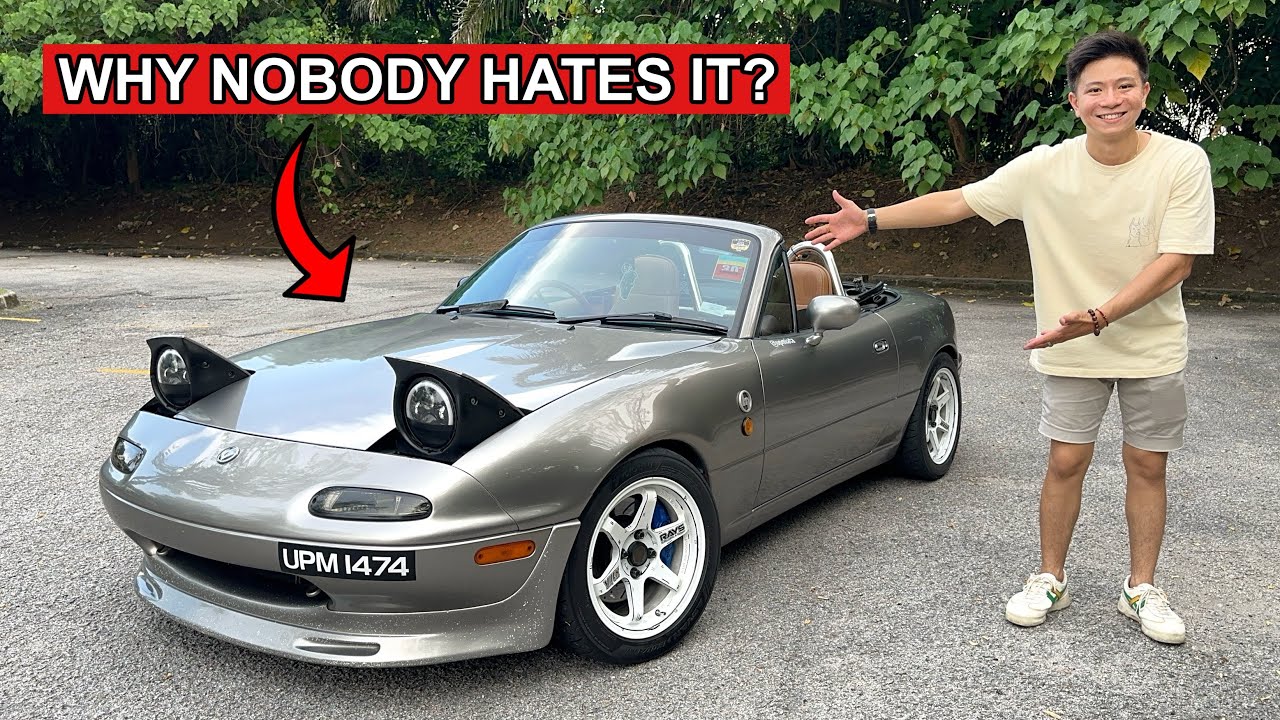
Mazda. The MX-5/Miata scene runs its own quieter version of this, where owners hunt down Japan-market NB or NC parts (different bumpers, different wheel designs, Nardi-branded factory-option interior trim) that were never sold in the US, building a car that looks like an import-only spec.
Every one of these scenes developed independently, but they converge on the same underlying behavior: find the highest trim or closest-related model that shares hardware, then source those exact parts instead of buying something aftermarket that merely looks similar.
💵 What OEM+ Actually Costs (And Why It's Not the Budget Option)
There's a common assumption that OEM+ must be cheaper than an aggressive aftermarket build, since the car "looks almost stock." In practice, it's frequently the opposite, once you account for the hunt.
Where the money actually goes:
- Rarity premium. A discontinued factory wheel from a two-year-only trim can cost more used than a brand-new aftermarket wheel of similar quality, simply because there's a fixed, shrinking supply and a dedicated group of people competing for it
- Import and shipping. JDM or Euro-spec parts that never sold in your market usually mean sourcing from overseas sellers, freight shipping, and sometimes customs fees, on top of the part's actual price
- Adaptation parts. Even a "direct fit" swap often needs supporting hardware, spacers, adapters, different wiring harnesses, or a tune to make a factory part from a different trim or market actually function correctly on your car
- Time as a cost. Months spent watching forums and marketplaces for the right part in the right condition is a real cost even when no money changes hands yet, and rushing that process usually means overpaying or buying the wrong spec by mistake
- Redo costs. Because fitment tolerance is so tight, a part that's slightly wrong (wrong offset, wrong bolt pattern, wrong revision) often can't be modified to fit. It gets resold at a loss and the hunt starts over
A builder chasing a genuinely rare factory-plus part can easily spend more on that single component, once shipping and the inevitable wrong-part detour are factored in, than someone would spend on an entire aftermarket wheel-and-tire package. The restraint is visual. The budget frequently isn't restrained at all.
⚠️ Where Beginners Go Wrong
The most common mistakes new OEM+ builders make:
- Assuming "looks similar" means "will fit." Two wheels can look nearly identical in photos and be completely incompatible in bolt pattern, hub bore, or offset. Always verify exact specs against your chassis code, not just the model name
- Skipping the hub bore and spacer math. A wheel that's technically the right bolt pattern can still sit wrong, rub, or stress the hub if the center bore isn't accounted for with the correct hub-centric rings
- Buying based on badge instead of chassis code. Model names get reused across completely different underlying platforms. The chassis code (not the trim name on the badge) is what actually determines whether parts interchange
- Ignoring the software side. A factory part built for a different trim sometimes needs a corresponding software change (ride height sensors, TPMS calibration, suspension settings) to function as intended, not just a bolt-on swap
- Overpaying out of urgency. Rare parts create panic-buying. Builders who wait and verify fitment before committing consistently end up with a cleaner, cheaper result than builders who grab the first listing they find
❓ Quick Answers to What People Actually Search
Does OEM+ mean the same thing as "stock" or "unmodified"? No. An OEM+ car is modified, often extensively, it just uses parts that share a factory origin, so the modifications read as "this trim exists" rather than "this car was customized."
Is OEM+ cheaper than aftermarket? Usually not. Rare, discontinued, or import-only factory parts frequently cost more than a comparable aftermarket option once sourcing and shipping are factored in.
Can any car be built OEM+? In theory yes, but it's dramatically easier on platforms with a lot of shared trims, generations, or sibling models across markets. A car with few related trims or no export variants gives you a much smaller parts pool to pull from.
Does OEM+ hurt or help resale value? It depends heavily on the specific parts and the buyer. A well-documented, correctly fitted OEM+ build using genuine factory parts can actually appeal to buyers who want the same subtlety, while a poorly fitted one can hurt it the same way any bad modification would.
🏁 The Quietest Flex in the Scene
OEM+ works because it inverts the usual logic of modifying a car. Most build philosophies are about making the car louder, wider, lower, and more obviously not stock. OEM+ is about making the car look like the factory simply did a better job than it actually did, and trusting that the right people will clock the difference without you having to explain it.
It's not for everyone. If the whole point of your build is turning heads in a grocery store parking lot, OEM+ will feel like putting in the work and getting none of the credit. But if you've ever stood next to a car that looked almost stock, done a double-take at the wheels, and thought "wait, those aren't right for this car," you already understand why the people who build this way don't need the wing to prove anything.