
🏁 The Parking Lot Isn't Cutting It Anymore
Ten years ago, the car meet was the whole hobby. Show up, park nose-out, talk specs, leave before the cops rolled through. That was it. That was the ceiling.
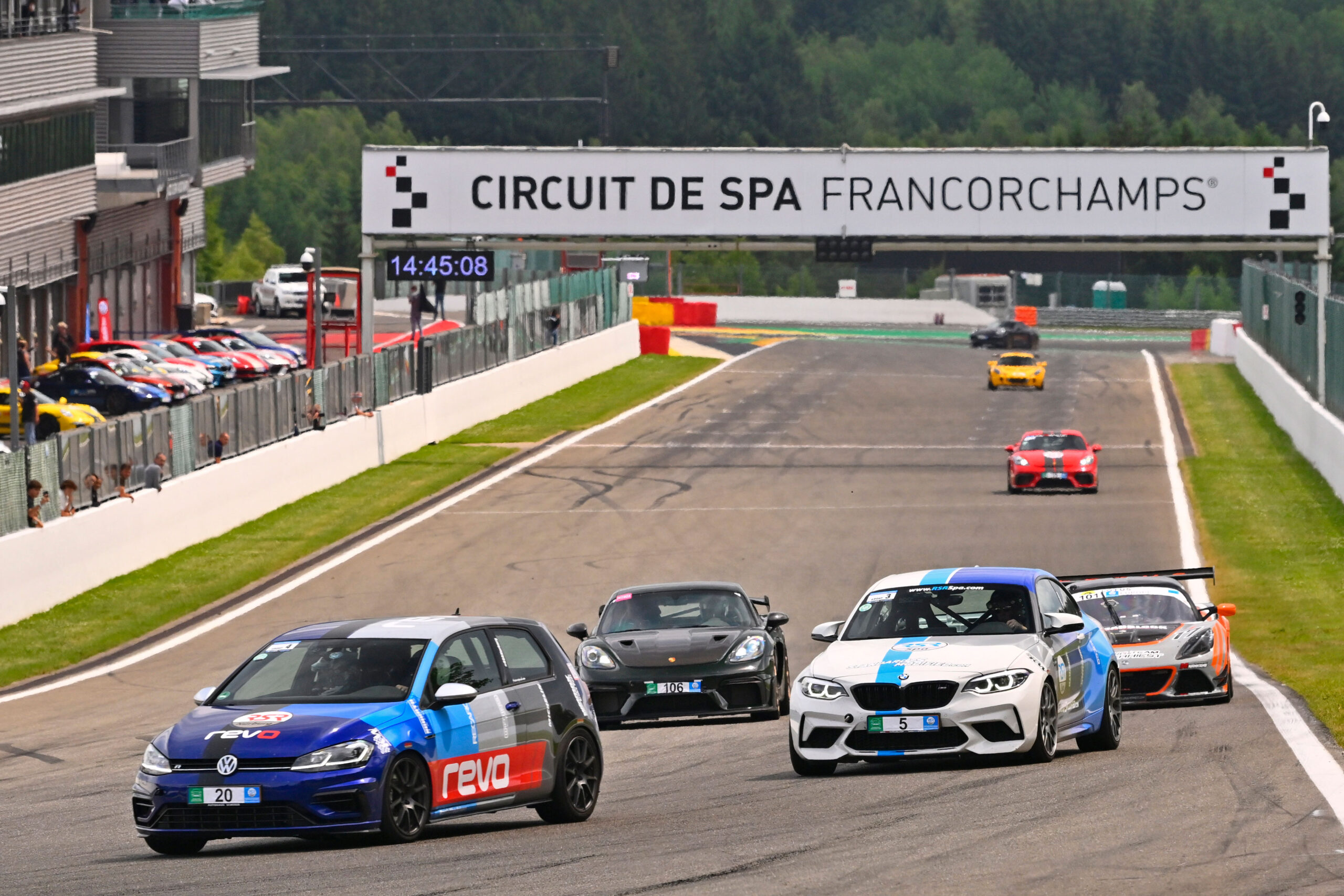
Now scroll through any car enthusiast's Instagram and you'll see something different: a helmet on the passenger seat, a GoPro suction-cupped to the windshield, timing splits screenshotted from an app you've never heard of. Track days have quietly become the thing car culture actually wants to talk about.
This isn't a niche anymore. Track day organizers are selling out sessions months in advance. Insurance companies have entire product lines built around it. Tire manufacturers design street-legal tires specifically because so many owners are taking their daily to a road course on weekends.
Something shifted. Car people got tired of static. They wanted proof.
🅿️ Why the Parking Lot Stopped Being Enough
For most of modern car culture, status was visual. Bigger wheels, louder exhaust, a wrap that turned heads at a red light. That's not gone, but it's no longer the only currency that matters.
Here's the problem with a parking lot build: it never gets tested. You can bolt on 400 horsepower worth of parts and never once find out if the car can actually put that power down through a corner. A stanced car with a wheel gap that photographs beautifully can be a genuine liability the second it needs to change direction quickly.
Car people noticed. And once a hobby's core audience starts asking "yeah, but does it actually work," everything downstream of that question changes.
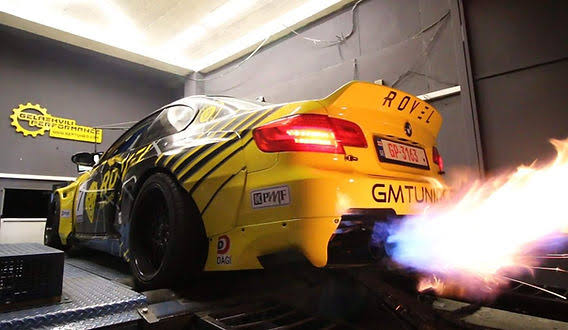
- Social proof got harder to fake. A dyno sheet or a lap time is a number. Numbers get compared, screenshotted, argued about in comments. A show car's "600 whp" claim is a lot easier to challenge than it used to be, and a lot of builders got tired of defending it.
- YouTube changed what impressive looks like. A decade of build channels, sim racers, and track reviewers has trained an entire generation to associate a car's worth with how it performs, not just how it sits.
- The technology got affordable. A phone-mounted lap timer, a $200 GoPro, and a data app do what used to require a professional data logger. The barrier to entry for proving your car collapsed.
None of this killed the show car. It just added a second lane, and that lane is filling up fast.
🧠 What a Track Day Actually Is (Because Most People Get This Wrong)
This is the single biggest misconception keeping new people out of the hobby: a track day is not a race.
Most organized track days run in an open lapping format, sometimes called HPDE (High Performance Driving Education). You pay for a session, usually 20-30 minutes, and you drive your own car on a real road course at your own pace. There's no wheel-to-wheel racing, no trophy, no checkered flag. Passing happens under strict point-by rules, usually only on designated straights, only when the car ahead explicitly waves you by.
Run groups are split by experience level, almost always:
- Novice / Beginner: first-timers, mandatory in-car instructor in most programs
- Intermediate: solo drivers with a season or two of seat time
- Advanced: experienced drivers, faster pace group, looser passing rules
That instructor requirement matters more than beginners expect. A good in-car coach isn't there to make you fast. They're there to keep you from doing the two things that actually end track days badly: overdriving a corner you don't understand yet, or panicking and lifting mid-corner when a car closes in behind you.
Most first-timers leave shocked by how much slower everything feels than they expected, and how much more the car communicates when you're not also worried about traffic, pedestrians, and cops.
💸 What It Actually Costs (The Honest Breakdown)
This is where a lot of enthusiasts talk themselves out of it before they've even looked at a real number. Track days are not free, but they're a lot more accessible than the hobby's reputation suggests.
A realistic first-timer budget:
- Entry fee: $150 - $400 for a single day, depending on track prestige and organizer
- Helmet: $150 - $400 for a Snell-rated helmet (most tracks won't let you on without one, and most will rent one for your first day)
- Tires: Your existing all-seasons are fine for a first outing. Don't buy dedicated track tires until you know you're staying in the hobby
- Fluids: A fresh oil change and a check on brake fluid age before you go. Old brake fluid boils at track temperatures in a way it never will commuting
- Fuel: More than you think. Full-throttle laps drink gas fast
What kills budgets long-term isn't the entry fee, it's consumables. Brake pads that last two years of street driving can be gone in a single track weekend if you're driving hard. Tires wear unevenly and fast. This is the real reason experienced track day people run a dedicated "track car" instead of their daily: not because it's faster, but because it's cheaper to destroy on purpose.
Spota tip: if your city has an active track day scene, it's exactly the kind of real-world car activity a Playlist step is built for. Log the day, add the photos to your Garage, and let your build's timeline show the miles that actually mattered.
🚗 Do You Need to Modify Your Car First?
No. This is the second biggest thing keeping people away, and it's mostly wrong.
A stock, well-maintained car with good tires and functioning brakes is a completely legitimate first track car. In fact, most instructors will tell you a stock car is better for learning, because a stock chassis behaves more predictably at its limits than a heavily modified one with mismatched spring rates and unproven geometry.
The one non-negotiable is brakes. Not aftermarket big brake kits, just fresh pads, healthy rotors, and fluid that hasn't been in the system for three years. Track driving generates heat that street driving never comes close to, and old brake fluid absorbs moisture over time that turns to vapor under that heat, which is how pedals go soft and scary mid-session.
Everything else is optional, and most of it should wait:
- Coilovers matter more once you're consistently pushing a car's factory limits, not before
- A roll bar becomes relevant if you're running a car with the top down or getting serious about wheel-to-wheel racing down the line, not for HPDE
- Sticky tires are a rabbit hole. Buy them once you know exactly what pace you're driving at, not before
The car most enthusiasts should bring to their first track day is the one already in their driveway.
🏆 Why This Trend Isn't Slowing Down
A few things are stacking on top of each other right now, and none of them are going away.
Insurance and liability got easier. Track day organizers have gotten much better at running clean, well-marshalled events, which has made insurers more comfortable underwriting them, which has made entry costs more predictable.
Manufacturers noticed. Several performance brands now build cars with track-mode drive settings, data logging built into the infotainment system, and factory lap timers, because they know a meaningful chunk of buyers actually intend to use them.
The social layer caught up. Track day culture used to be isolated: a small community that mostly talked to itself. Now it's fully integrated into the same feeds, forums, and group chats as the rest of car culture, which means every enthusiast's algorithm eventually shows them someone's onboard lap and makes them wonder what their own car could do.
It scratches an itch parking lots can't. A show car earns compliments. A track day earns a personal best. Those hit differently, and once someone's felt the second one, it's hard to go back to only chasing the first.
🗣️ The Culture Split: Track Guys vs. Show Guys
Every car scene eventually develops its own internal rivalry, and this is the current one. Track day converts can get a little insufferable about it, the "form vs. function" lecture nobody asked for at a meet. Show car builders roll their eyes right back, pointing out that a track day is one afternoon a month while a build is a lifestyle, visible every single day it's parked outside.
Both sides are half right, and the smartest people in the hobby have stopped picking a side entirely.
What the track crowd gets right: a car that's been genuinely tested tends to be better engineered, because bad geometry, sketchy brakes, and lazy tuning get exposed fast at speed. There's no faking a lap time.
What the show crowd gets right: most people don't have a track within two hours of home, and even fewer have the time or budget to make it a regular hobby. A build that lives its whole life in a driveway and at meets is still a legitimate, complete expression of the hobby. Nobody needs a lap time to justify loving their car.
The honest middle ground, and where a lot of the scene is actually heading, is treating a track day the same way you'd treat any other car culture activity: something to add to the list, not something that replaces everything else. A Saturday show, a Sunday cruise, and a track day once a season aren't in competition with each other. They're just different ways of proving the same thing: that you actually care about how the car drives, not just how it photographs.
📉 The Mistakes That Ruin a First Track Day
Track day organizers see the same handful of first-timer mistakes over and over. Knowing them ahead of time is the cheapest upgrade you can make before your first session.
- Overdriving cold tires and cold brakes. Everything needs a lap or two to come up to temperature, including you. Sending it on lap one is how most first-timer offs happen.
- Target fixation. Staring at the wall or the car you're chasing instead of where you actually want the car to go. Where your eyes point is where the car tends to end up.
- Ignoring the flag stations. Every track uses corner workers with colored flags to communicate real-time hazards. A yellow flag means slow down and no passing, not "keep pushing because I don't see anything." Missing a black flag (meaning come into the pits now) is one of the fastest ways to get sent home for the day.
- Showing up on worn tires. Tread that's fine for the highway can be genuinely dangerous once a tire is asked to generate real lateral grip through a fast corner. Check tread depth and age before you go, not after something lets go.
- Not knowing the car's basic warning signs. A brake pedal that starts feeling long and soft partway through a session is fade, and it's telling you to back off and let things cool down, not to push through it.
None of these are complicated. They're just things nobody thinks to mention until you've already made the mistake once.
🔧 Your First Track Day: A Simple Checklist
- Find a local organizer through your car's marque club, a regional car club, or a quick search for "[your track] HPDE"
- Book the beginner/novice run group, no exceptions, even if you're confident
- Get a fresh oil change and check brake fluid age before you go
- Rent a helmet if you don't own one, most organizers offer loaners for first-timers
- Bring more fuel money than you think you'll need
- Listen to your instructor over your instincts, every single time
- Leave your ego in the paddock. Nobody's first day is fast, and nobody who's been doing this long cares that yours isn't either
The parking lot will always have its place in this hobby. But if you've never taken your car to a real corner and actually found out what it does, you're missing the half of car culture that doesn't fit in a photo. Related read: check out why 0-60 times became car culture's favorite flex for why a straight-line number never told the whole story anyway, and browse more culture breakdowns over in Under the Hood.
Book the session. Bring the stock car. Find out what it actually does.