
🔧 "Just LS Swap It"
Type almost any engine problem into a car forum and someone, somewhere, will reply with three words: just LS swap it.
Blown head gasket on a 240SX? LS swap it. Rotary that ate itself for the fourth time? LS swap it. Volvo wagon that needs more power than a five-cylinder can give it? LS swap it. Even Ferraris and Lamborghinis, cars that cost more than most houses, have ended up with a Chevy V8 wedged where an exotic Italian engine used to live.
It started as a joke. It's not a joke anymore.
The LS swap is car culture's most reliable punchline and its most reliable engineering solution, and those two things being true at the same time is exactly why the meme refuses to die. This isn't some random internet trend that got out of hand. There's real math behind why an engine GM designed for trucks and Corvettes in the late 90s became the default answer to "what do I put in this thing."
Let's actually break down why this happened, why it keeps happening, and why "LS swap everything" stopped being a punchline and became something closer to a religion.
🏭 Where the LS Actually Came From
A Truck Engine That Accidentally Became Perfect
The LS engine family launched in 1997 in the C5 Corvette (the LS1), then spread into trucks, SUVs, and sedans across GM's entire lineup for the next two decades. GM needed an engine that was cheap to produce, light for its output, and durable enough to survive in a half-ton truck towing a boat for 200,000 miles.
Those requirements, aimed at trucks and grandpa's Silverado, happened to produce almost exactly what performance builders wanted:
- All-aluminum block (on most variants) keeping weight down compared to iron V8s of the era
- Compact external dimensions that fit in engine bays never designed for a V8
- Simple pushrod design with fewer moving parts than a comparable overhead-cam engine
- Massive production volume, meaning millions of them sitting in junkyards and low-mileage takeouts
- Room to grow, with factory internals that could handle serious boost or big displacement increases with minimal work
GM wasn't trying to build a cult engine. They were trying to build a cheap, reliable truck motor. They just happened to nail every spec that swap culture cares about in the process.
💰 The Math That Made It Inevitable
Why "Fix the Original Engine" Loses Every Time
Here's the calculation every LS swap candidate eventually runs, whether they realize it or not:
- Rebuilding a tired factory engine to make real power (turbo kit, forged internals, tuning, supporting mods) can run $8,000-$15,000+ depending on the platform
- A running, low-mileage LS out of a junkyard costs $1,500-$3,500
- A full swap kit (mounts, wiring harness, headers, oil pan, accessories) adds another $1,500-$3,000
- The finished product makes more power, more reliably, for less total money than chasing reliability out of a fragile factory engine that was never designed to handle real power
Compare that to trying to keep a factory rotary alive past 400 horsepower, or trying to make a factory turbo four survive track duty without grenading a rod bearing every other season, and the LS starts looking less like a meme and more like the only rational decision.
This is the part that gets lost in the jokes: the LS swap isn't usually about wanting a V8 for its own sake. It's about wanting horsepower per dollar, and reliability per dollar, at a level almost nothing else on the used market can touch.
🧠 The Junkyard Advantage Nobody Else Has
Parts Availability Changes Everything
An engine is only as good as the ecosystem built around it, and no swap platform on earth has an ecosystem like the LS.
- GM built millions upon millions of LS-family engines across Corvettes, Camaros, Firebirds, GTOs, trucks, SUVs, and full-size sedans for over 20 years
- That volume means junkyards are stacked with cheap take-out engines, and the used parts market never dries up
- Aftermarket support is enormous: every intake manifold, every wiring harness solution, every ECU tuning platform, every set of motor mounts for nearly any chassis on earth already exists and has been refined by thousands of builders before you
- Forums, YouTube channels, and build threads documenting LS swaps into specific chassis (240SX, Miata, E30, Fox body Mustang, you name it) mean the hard R&D work is already done for most popular platforms
Compare that to swapping in something more exotic like a Barra six or a 2JZ. Those swaps are absolutely legitimate and have their own devoted followings, but the parts pool is smaller, prices run higher, and the "someone already solved this exact problem" safety net isn't nearly as deep.
The LS didn't win because it's the objectively best engine on paper. It won because the entire support infrastructure around it makes the process of actually finishing the swap dramatically easier than almost any alternative.
🔨 It's Simple Enough to Actually Finish
The Pushrod Advantage
Enthusiasts love to argue about overhead-cam engines versus pushrod engines like it's a moral question, but from a swap standpoint, the pushrod design has one massive practical advantage: it's physically small.
No dual overhead cams stacked on top of the heads means the LS is shorter and narrower than a comparable-output overhead-cam V8. That's the difference between an engine that clears the chassis rails and hood line of a compact sports car and one that requires a fabricated hood bulge and custom everything.
The wiring is also comparatively simple by modern standards. Aftermarket standalone harnesses and plug-and-play "LS swap in a box" solutions have turned what used to be a nightmare of reverse-engineering GM wiring diagrams into something closer to following instructions. That matters enormously for finish rate. A build that's actually achievable on a weekend-warrior budget and skill level is a build that gets finished instead of abandoned halfway through in a garage.
Spota tip: if you're documenting your own swap, the Garage feature is built exactly for this. Log the teardown, the fab work, the first start, and the dyno day all in one place instead of scattering it across a dozen forum posts nobody will ever find again.
😤 The Meme Side of It
Why "LS Swap Everything" Became a Running Joke
Somewhere around the mid-2010s, "just LS swap it" crossed over from genuine advice into full-blown meme territory, and honestly, the community earned it.
Builders started LS swapping things purely to see if they could:
- Miatas, which are already light and well-balanced, getting a V8 they were never designed to hold
- Volvo wagons, turning grandma's grocery-getter into a sleeper with more torque than most muscle cars
- Priuses, purely for the comedy of a hybrid econobox with a small-block soundtrack
- Old military Jeeps, tractors, and even boats
The joke works because it's rooted in something true. The LS genuinely can be made to fit into an absurd number of chassis with enough patience, and the internet loves nothing more than watching someone actually follow through on an absurd idea. Every "LS swap the (completely inappropriate vehicle)" build video gets views precisely because the audience already knows, deep down, that it's probably going to work.
That's different from most engine-swap memes. Nobody seriously believes you can rotary-swap a school bus and have it be reliable. People absolutely believe you can LS swap almost anything, because at this point, someone already has.
⚔️ The Purists Who Hate It
"You Ruined a Real Car"
Not everyone thinks this is funny. There's a real, ongoing tension in car culture between LS-swap enthusiasts and chassis purists, especially in the JDM and European scenes.
The purist argument usually sounds something like this:
- An LS swap into a rotary chassis, a straight-six BMW, or a factory turbo Japanese platform "erases" what made that car special in the first place
- Chasing raw power with a cheap V8 misses the point of a car that was engineered around balance, chassis feel, and a specific factory character
- Some builds feel like power for power's sake rather than a coherent build philosophy
- Resale value and originality take a hit the moment a factory engine bay gets cut up for LS mounts
There's legitimacy to this. A numbers-matching classic getting gutted for an LS swap is a genuinely different conversation than a rusted-out, already-modified project car getting one. Context matters, and the community generally treats those two situations very differently, even if the internet argument gets flattened into "LS swaps good" versus "LS swaps bad."
But the purist objection also runs into the same wall every time: the LS swap crowd isn't chasing originality. They're chasing a specific outcome (reliable power, on a budget, that they can actually finish) and the LS remains the tool that gets them there fastest.
🏎️ It's Not Just Budget Builds Anymore
The Exotic Side of LS Swap Culture
The meme suggests LS swaps are strictly a budget-build phenomenon, cheap power for people who can't afford the "real" version. That stopped being accurate a long time ago.
High-end LS swap culture is its own entire world:
- LS-swapped Ferraris and Lamborghinis exist specifically because factory exotic engines are catastrophically expensive to service and rebuild, while a built LS can make comparable or greater power for a fraction of the maintenance cost
- Professional race teams run LS-based engines in everything from drift cars to off-road trophy trucks because the aftermarket support for forged bottom ends, big-power turbo kits, and dry-sump oiling systems is unmatched
- LS-swapped drift builds dominate grassroots and even some professional drift circuits because the power delivery, weight, and parts availability make them easier to keep on track than fragile factory alternatives
- Entire specialty shops exist purely to do high-dollar, precision LS swaps into exotic and vintage chassis for clients who could afford literally any engine option and chose the Chevy anyway
That last point is the one that actually settles the debate. When people with genuinely unlimited budgets keep choosing the LS anyway, it stops being a "broke car guy" stereotype and starts looking like what it actually is: one of the best power-to-reliability-to-support ratios in the history of the automotive aftermarket.
🎯 Which LS Actually Gets Swapped
Not All LS Engines Are Created Equal
Part of what makes "LS swap" such a useful catch-all term is that it's really shorthand for an entire family of engines, and picking the right one matters a lot more than the memes let on.
- LS1/LS2 are the entry point most budget builders start with: cheap, plentiful, and good for a reliable 350-400 horsepower with basic bolt-ons
- LS3/L92 truck and Corvette variants bring bigger factory displacement and better-flowing heads, making them the sweet spot for builders who want more headroom without going full aftermarket internals
- LS7 is the exotic factory option, a 7.0-liter, dry-sump, forged-internals monster pulled from Corvette Z06s, though its price tag keeps it out of most budget swaps
- LSA/LS9 supercharged variants show up in swaps where someone wants factory forced induction without building a turbo system from scratch
- LQ4/LQ9 iron-block truck engines are the choice for builders planning serious boost, since the cast-iron block handles high cylinder pressure far better than the aluminum passenger-car blocks
That range matters because it means the LS swap conversation isn't really "one engine fits every build." It's "there's a specific LS variant tuned almost perfectly to whatever this particular build actually needs," which is a big part of why the platform keeps absorbing new converts instead of losing them to something else.
🚧 The Swaps That Shouldn't Work (But Do)
Testing the Limits on Purpose
The most-watched LS swap content online isn't the sensible ones. It's the builds that seem to exist purely to prove a point.
- Miata LS swaps take a car famous for its light weight and near-perfect 50/50 balance and add a V8 that fights against both of those traits, yet builders keep doing it because the result, when done right, is genuinely absurd in the best way
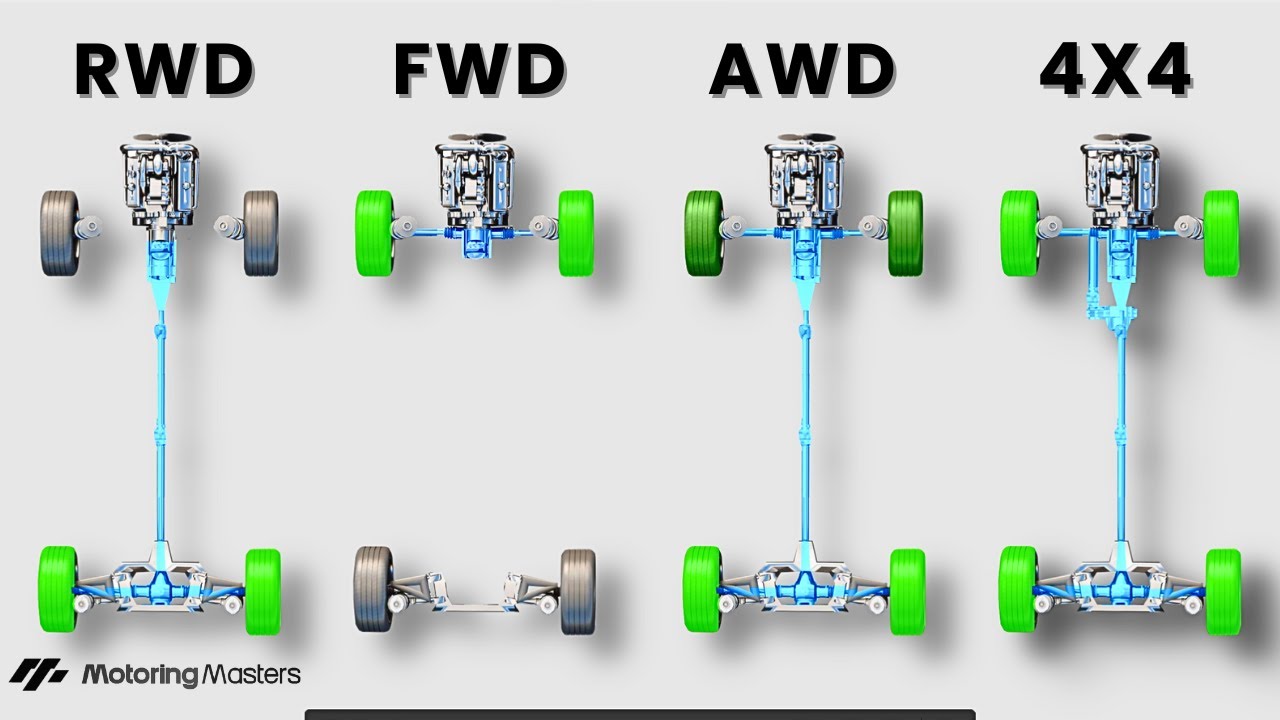
- Front-wheel-drive LS swaps, putting a V8 through a transaxle never designed for that torque, show up specifically because someone wanted to see if it could be done, and it usually can, with enough custom fabrication
- Boat and off-road LS swaps move the meme outside of cars entirely, into a world where reliability under sustained high load matters even more than it does on the street
- Diesel-to-LS swaps in trucks trade torque and towing capacity for a lighter, higher-revving setup, a trade that makes zero sense for actual towing but plenty of sense for someone building a sleeper truck
None of these builds are efficient. None of them are the "smart" choice on paper. They exist because the LS swap has become car culture's default answer to "I wonder if this is possible," and having an engine reliable and well-documented enough to survive being bolted into places it was never meant to go is exactly what keeps the joke funny instead of just expensive.
🧩 What It Says About Car Culture
The LS Swap Is a Mirror
Car culture loves an underdog story, and the LS engine's rise from "boring truck motor" to "the answer to almost every problem" fits that story perfectly. It also reveals something true about how enthusiasts actually think, as opposed to how they talk on forums.
Enthusiasts say they care about originality, factory character, and doing things "the right way." What they actually reward, over and over, build after build, is reliability people can trust and power they can afford. The LS delivers both in a way almost nothing else does, and the community votes with its wallet and its wrench time every single time it picks an LS over the more "correct" but more fragile factory option.
That tension, between what the scene claims to value and what it actually chooses when the wrenches come out, is basically the entire story of modern car culture in miniature. The LS swap just makes it impossible to ignore.
🔑 The Bottom Line
The "just LS swap it" joke survives because it's not really a joke. It's shorthand for a genuinely correct engineering decision that keeps proving itself right, build after build, decade after decade. Cheap, available, simple to work with, and backed by more collective knowledge than any other swap platform on the planet.
Whether you think that's the ultimate car culture flex or the ultimate car culture cop-out probably says more about what kind of builder you are than it does about the engine itself.
If you're deep into your own build right now, whether it's an LS swap or something completely different, get it logged in your Garage before the progress pics scatter across three different phones and a dead forum account. And if you want more of this kind of "why do car people actually do this" breakdown, the under-the-hood category has the rest of them, including why every Hellcat owner is on borrowed time and why rotary engines are so beloved despite being so unreliable.
Some engines you fall in love with. The LS you just trust. That's the whole story.