
🖤 The Trim That Everyone Suddenly Hates
Look at any car meet parking lot in 2026 and count the chrome. You'll run out of fingers before you run out of cars.
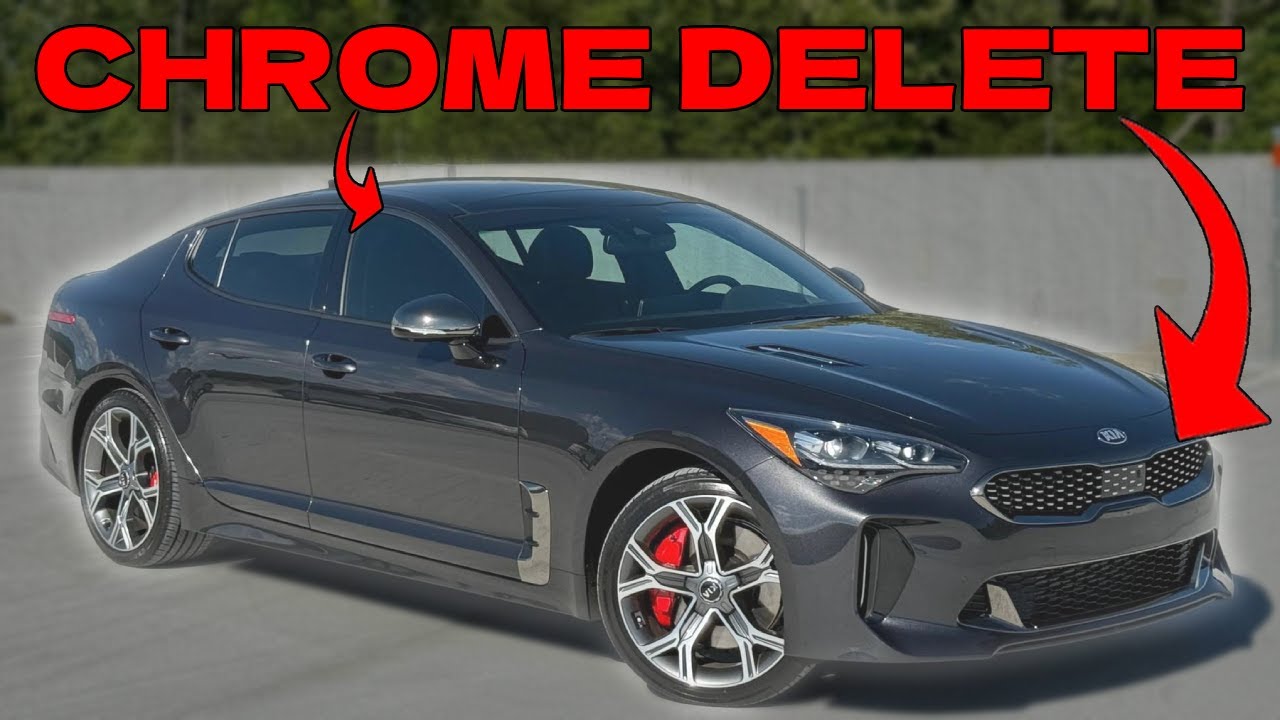
Grilles that used to gleam are now matte black. Window trim that once shined is wrapped or dipped. Badges, mirror caps, exhaust tips, even the little strip around the taillights: gone, replaced with flat black everything. Car people call it chrome delete, and it's become one of the most searched, most argued-about, most done modifications in the entire hobby.
It didn't used to be this way. Chrome used to mean something. A shiny grille said "look how much trim this car has, look how nice it looks in the sun." Now that same chrome gets ripped off, taped over, or dipped in black within the first month of ownership for a huge chunk of enthusiasts.
Something flipped. And once you understand what actually flipped, the whole trend makes a lot more sense, including why some owners are already regretting it.
🚗 What Chrome Delete Actually Means
Chrome delete is the blanket term for removing or blacking out the factory chrome trim on a car: the grille surround, window trim, door handles, mirror caps, badges, exhaust tips, roof rails, and sometimes the entire grille itself.
There are three main ways people actually do it:
- Vinyl wrap: Precision-cut matte or gloss black vinyl applied directly over the existing chrome trim. Reversible, clean, the most popular method by far.
- Plasti Dip: A peelable rubber coating sprayed on. Cheap, fast, fully reversible, but it doesn't last and looks noticeably worse up close than vinyl.
- Powder coating or paint: The trim is physically removed from the car, stripped, and either powder coated or painted black. Permanent, the most durable, and the most expensive.
There's also debadging, which is technically a separate move but almost always shows up in the same conversation: pulling off the manufacturer emblems and model badges entirely for a cleaner look. Most chrome delete builds get debadged in the same session.
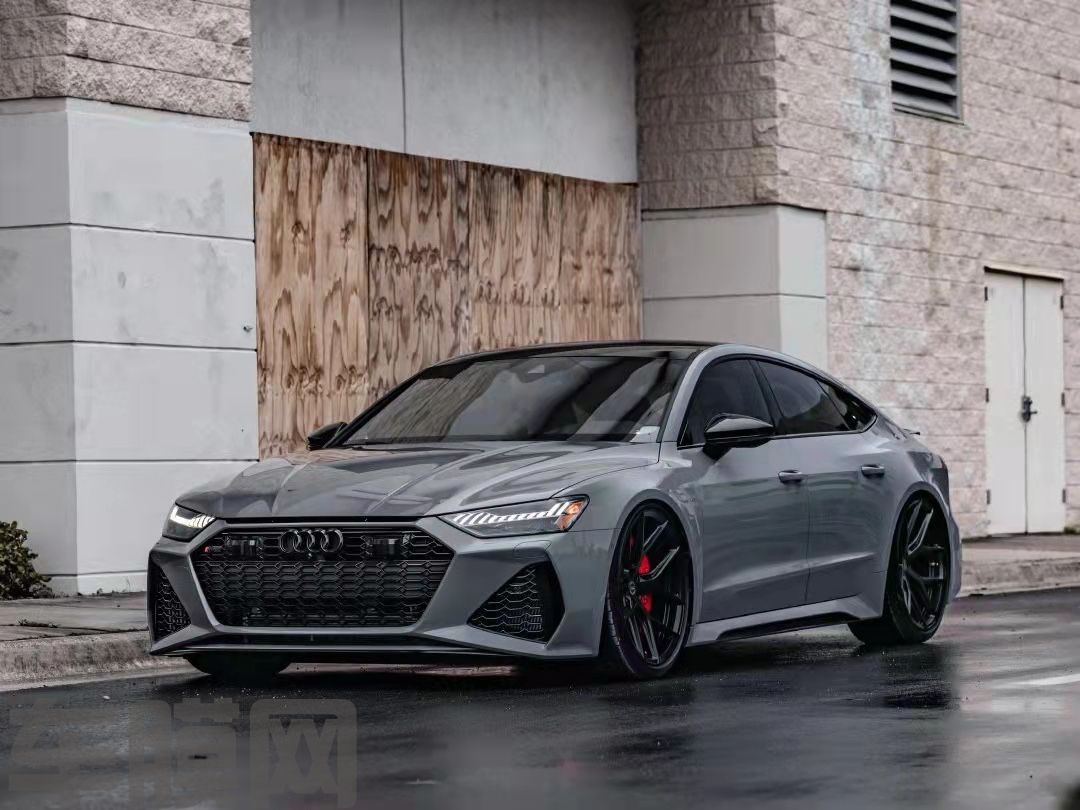
The end result people are chasing has its own name too: "murdered out." All black, no chrome, no contrast trim, sometimes even blacked-out headlights and taillights on top of it. It's the most extreme version of the trend, and it's exactly what's dominating build threads right now.
🤔 Why This Actually Took Off
It Started With JDM Culture, Then Went Mainstream
Chrome delete isn't new. Import guys were blacking out grilles and mirror caps on Civics and Evos two decades ago, mostly because aftermarket chrome looked cheap and a clean black-out look read as more aggressive. What's new is the scale. This used to be a niche JDM thing. Now it's showing up on trucks, luxury sedans, muscle cars, SUVs, basically anything with trim to remove.
Chrome Started Looking Dated
Car design has been trending toward flatter, more minimalist surfaces for years: fewer creases, bigger black panels, blacked-out A-pillars, gloss black everywhere from the factory. Chrome trim, which was a design language built around brightwork and reflectivity, suddenly reads as old. A car with a bright chrome grille next to a same-year competitor with a blacked-out one looks like it's from a different decade, even if it isn't.
It's the Cheapest Way to Make a Car Look "Built"
Spota tip: if you're tracking mods in your Garage, chrome delete is one of the highest visual-impact-per-dollar entries you can log. A full vinyl chrome delete on most cars runs a few hundred dollars and takes an afternoon. Compare that to lowering springs, wheels, or an exhaust, all of which cost real money and take real installation time. Chrome delete gives a car an instantly more aggressive, more "someone worked on this" look for less than the price of a tank of race gas.
That math matters more than people admit. A huge percentage of car culture is 19 to 30 year olds working with limited mod budgets. Chrome delete is the highest-visibility, lowest-cost move on the list, so of course it's the one everyone does first.
It Photographs Better
This is the part nobody says out loud but everyone knows is true: chrome delete makes cars look better in photos, especially phone photos in flat daylight. Chrome throws hot, blown-out reflections that eat detail in a photo. Matte black trim doesn't fight the camera. On a platform where a build's entire reputation lives or dies by how it looks in a feed, that's not a small factor. It's arguably the biggest one.
🛠️ How People Actually Do It (And What It Costs)
Vinyl Wrap: The Default Choice
Vinyl wrap dominates for a reason. It's precise, it's clean when done right, and it doesn't touch the factory finish underneath, so it's fully reversible if you ever sell the car or change your mind.
Typical costs:
- DIY kit for grille and mirror caps: $30 - $80
- Professional grille + window trim wrap: $200 - $500
- Full exterior chrome delete (grille, windows, badges, mirrors, exhaust tips): $400 - $900
Lifespan: 2 to 5 years depending on climate, sun exposure, and how much the car sits outside. Vinyl on window trim tends to lift at the edges first, especially in hot climates where the adhesive bakes.
Plasti Dip: The Budget Option
Plasti Dip is the entry point for people who want to try the look before committing money to it. It sprays on like paint, peels off like a sticker, and costs almost nothing.
Typical costs:
- Full DIY chrome delete with Plasti Dip: $40 - $100 in cans
The catch: it chips easily, fades faster than vinyl, and up close it has a slightly rubbery, less finished look. Most people who start with Plasti Dip eventually upgrade to vinyl once they know they're keeping the look.
Paint or Powder Coat: The Permanent Move
This is for owners who are certain. The trim comes off the car entirely, gets stripped, and either painted to match or powder coated in a durable satin or gloss black.
Typical costs:
- Powder coating a grille surround and mirror caps: $150 - $400
- Full trim removal, stripping, and painting: $600 - $1,500+ depending on how much trim the car has
Lifespan: Effectively permanent, or until you repaint again. This is also the method most likely to require actually removing bumpers or trim pieces, which means more labor and more risk of breaking old, brittle plastic clips in the process.
⚖️ The Debate: Timeless Look or Trend That'll Age Badly
The Case For It
Supporters make a straightforward argument: chrome delete makes almost any car look more cohesive, more aggressive, and more intentional. A blacked-out grille pulls a car's whole front end together instead of splitting attention between the paint color and a bright metal frame around the grille. On darker colored cars especially, black on black reads as clean and deliberate rather than flashy.
It's also cheap enough to try without real commitment, at least with vinyl or Plasti Dip. Nobody's locking themselves into anything for $60 in Plasti Dip cans.
The Case Against It
The counterargument is just as loud. Critics point out that chrome delete is one of the most trend-following mods in the entire hobby: everyone's doing it because everyone's doing it, not because it fits every car. A chrome grille on a classic luxury sedan or an old-school pickup is part of the car's identity. Blacking it out on those platforms doesn't read as "built," it reads as "modified to look like everything else on Instagram right now."
There's also the resale argument. Chrome delete done with vinyl is reversible, which protects resale value if you peel it off before selling. Chrome delete done with paint or powder coating is not. A future buyer who wants the original chrome look back is now looking at a full re-chrome job, which is expensive and, on some trim pieces, not even possible since factory chrome plastic can't always be re-chromed after it's been stripped or painted.
And the trend-cycle risk is real. Plenty of enthusiasts who blacked out everything in the early 2020s are now second-guessing it as chrome accents start creeping back into new car design. Trends that define an era tend to look dated the fastest once that era ends.
🚔 Is Chrome Delete Even Legal?
Mostly yes, with a few real exceptions worth knowing before you commit:
- Headlight and taillight tinting: A lot of murdered-out builds extend the blackout to lights, and this is where states actually draw legal lines. Tinted or blacked-out taillights that reduce brake light visibility can fail inspection or draw a citation in many states. Clear or lightly smoked lenses are usually fine; heavily darkened ones are the risk.
- Reflective trim requirements: Some trim pieces exist for a reason beyond looks, like side marker reflectors. Wrapping over an actual reflector, versus just the decorative chrome strip next to it, can technically violate visibility requirements in some jurisdictions, though enforcement on this specific point is rare.
- Window trim vs. window tint: Chrome delete on window surrounds is a different thing from window tint, and doesn't carry the same legal restrictions, but it's worth knowing the difference before a cop pulls you over assuming your windows are illegally dark when it's actually just the trim.
The grille, mirror caps, badges, and exhaust tips: the core of what most people mean by "chrome delete", carry basically zero legal risk anywhere in the US. The lighting stuff is where people actually get in trouble.
💸 The Resale Reality Nobody Talks About
Here's the part that catches people off guard. Chrome delete is one of the few mods that can genuinely swing resale value in either direction depending entirely on execution and reversibility.
Vinyl wrap done well: Neutral to slightly positive. It signals the car was cared for and modded thoughtfully, and it peels off in an afternoon if a buyer wants factory chrome back.
Vinyl wrap done poorly, or left on too long: Actively negative. Sun-baked, lifting, bubbled vinyl looks worse than doing nothing at all, and buyers see it as a sign of neglect rather than customization.
Plasti Dip left on for years: Almost always negative by the time it's for sale. It chips, it fades unevenly, and removing old, sun-baked Plasti Dip can be a genuine chore.
Painted or powder coated trim: This is the wildcard. On a build-focused platform like Bring a Trailer, a well-documented, professionally done permanent chrome delete can actually be a selling point to the right buyer. Sold to a general audience through a regular dealer trade-in, it's more likely to be seen as "modified" in the way that scares off buyers who just want a stock car back.
The pattern holds across most reversible-versus-permanent mods in this hobby: reversible protects value, permanent bets on finding a buyer who wants exactly what you built.
🔧 Doing It Right: What Actually Separates a Good Chrome Delete From a Bad One
- Match the finish to the car's paint, not to a trend. Satin black reads more premium on most cars than gloss black, which can look plasticky under direct sun.
- Do the whole car, not half of it. The most common rookie mistake is blacking out the grille and mirror caps but leaving window trim chrome intact. Half-committed chrome delete looks unfinished, not intentional.
- Prep matters more than the material. Whether it's vinyl or Plasti Dip, a rushed job with dust or grease trapped underneath will bubble and peel within months, vinyl or not.
- Think about your actual exit plan before you paint anything. If there's any chance you're selling this car in the next few years, vinyl is the safer bet. Save permanent paint or powder coat for a car you know you're keeping long-term.
🏁 The Bottom Line
Chrome delete took over because it's cheap, it's fast, it photographs well, and it makes almost any car look more like something someone actually worked on rather than something that just rolled off a lot. That's a hard combination to beat for a hobby full of people on a budget trying to make their car stand out at the next meet.
Whether it ages well is a different question entirely, and the honest answer is: it depends on the car, the execution, and how attached you are to what's popular right now versus what you'll actually still like in five years.
If you're going to do it, do it clean, do it reversible if you're not 100% sure, and do the whole car instead of half of it. That's the difference between a chrome delete that looks built and one that just looks like the chrome fell off.
For more on where this fits into the bigger picture of what people are actually doing to their cars right now, check out why stance culture divides the car scene and why car guys wrap instead of paint, or browse more debates like this one in under the hood.
❓ FAQs
Is chrome delete permanent?
Not necessarily. Vinyl wrap and Plasti Dip are both fully reversible, and vinyl is the most common method for exactly that reason. Paint and powder coating are permanent since they involve stripping the original chrome finish.
How much does a full chrome delete cost?
A DIY vinyl or Plasti Dip job on the grille and mirror caps runs $30 to $100. A professional full-car vinyl chrome delete typically costs $400 to $900. Permanent paint or powder coating on all trim can run $600 to $1,500 or more.
Does chrome delete hurt resale value?
It depends entirely on execution. A clean, well-installed vinyl chrome delete is often resale-neutral or even a small positive since it's reversible. A sun-damaged or poorly installed wrap, or permanent paint a future buyer doesn't want, can hurt resale value.
Is chrome delete legal?
Yes, for the core trim: grille, mirror caps, badges, exhaust tips. The only real legal risk is blacking out taillights or headlights to the point they reduce visibility, which some states restrict or ban outright.
What's the difference between chrome delete and debadging?
Chrome delete refers to blacking out chrome trim pieces like the grille surround and window trim. Debadging means removing the manufacturer emblems and model badges entirely. They're separate mods, but most builds do both at the same time for a cleaner overall look.
Does Plasti Dip last as long as vinyl wrap?
No. Plasti Dip typically lasts 1 to 2 years before it starts chipping and fading, especially in direct sun. Vinyl wrap holds up 2 to 5 years depending on climate and how much the car is exposed to sun and weather.
Chrome used to be the flex. Now the flex is not having any left. Whether that's genuine taste or just the current trend cycle, the grilles going black in every parking lot say the answer, at least for now.