
⛓️ The Sound Every Car Guy Dreads
You turn the key. For half a second before the engine catches, there's a sound. A metallic rattle, like a bag of loose bolts, coming from somewhere deep behind the front cover. Then it settles down and idles fine. You tell yourself it's nothing.
It's not nothing.
Timing chains get sold as the "maintenance-free" alternative to timing belts. No 60,000-mile replacement interval, no snapped belt bending your valves in a parking lot. Chains are supposed to outlast the rest of the engine. That's the pitch, and for a lot of engines it's basically true.
Then there's the other half of the car world, where "lifetime" timing chains start rattling at 40,000 miles, guides turn to plastic confetti, and owners find out the hard way that "chain-driven" was never the same promise as "bulletproof." This is the part nobody explains at the dealership: chains don't snap like belts do, they stretch, and stretch is a slower, sneakier, and sometimes just as expensive problem.
🔩 A Chain Doesn't Actually "Stretch"
Here's the part that trips people up. A timing chain is made of solid steel links and pins. Steel doesn't elongate under normal engine loads, not in any way that matters. So when a mechanic says your chain has "stretched," they're using shorthand for something more specific: wear at the pin-and-bushing joints, not the metal itself getting longer.
What's actually happening inside every link:
- Each link pivots on a pin that rides inside a bushing
- Millions of flex cycles at high RPM slowly wear a tiny gap into that joint
- Multiply that gap by 100+ links in the chain and it adds up to real slack
- The chain's effective length grows even though no single piece of metal did
That accumulated slack is what everyone calls "chain stretch." It's really joint wear, distributed across the whole loop. And once there's enough slack in the system, timing accuracy goes with it.
Why the Rattle Shows Up at Cold Start Specifically
A stretched chain doesn't rattle constantly. It usually announces itself for two or three seconds right after startup, then goes quiet. That's not a coincidence, it's oil pressure.
- Most modern timing chains use a hydraulic tensioner that relies on oil pressure to stay firm against the chain
- At cold start, oil hasn't circulated yet and pressure is near zero
- A stretched chain with worn guides has room to slap around before the tensioner pressurizes and takes up the slack
- Once oil pressure builds (usually 1-3 seconds), the tensioner does its job and the noise disappears
A chain in good shape with a healthy tensioner shouldn't make any noticeable noise even during that pressure-building window. If you're hearing it, the slack is already beyond what the tensioner's normal travel range was designed to absorb.
⚙️ It's Rarely the Chain That Fails First
This is the detail that catches people off guard: the chain itself is usually the toughest part of the whole timing system. What actually fails first are the parts holding it in place.
The usual failure order:
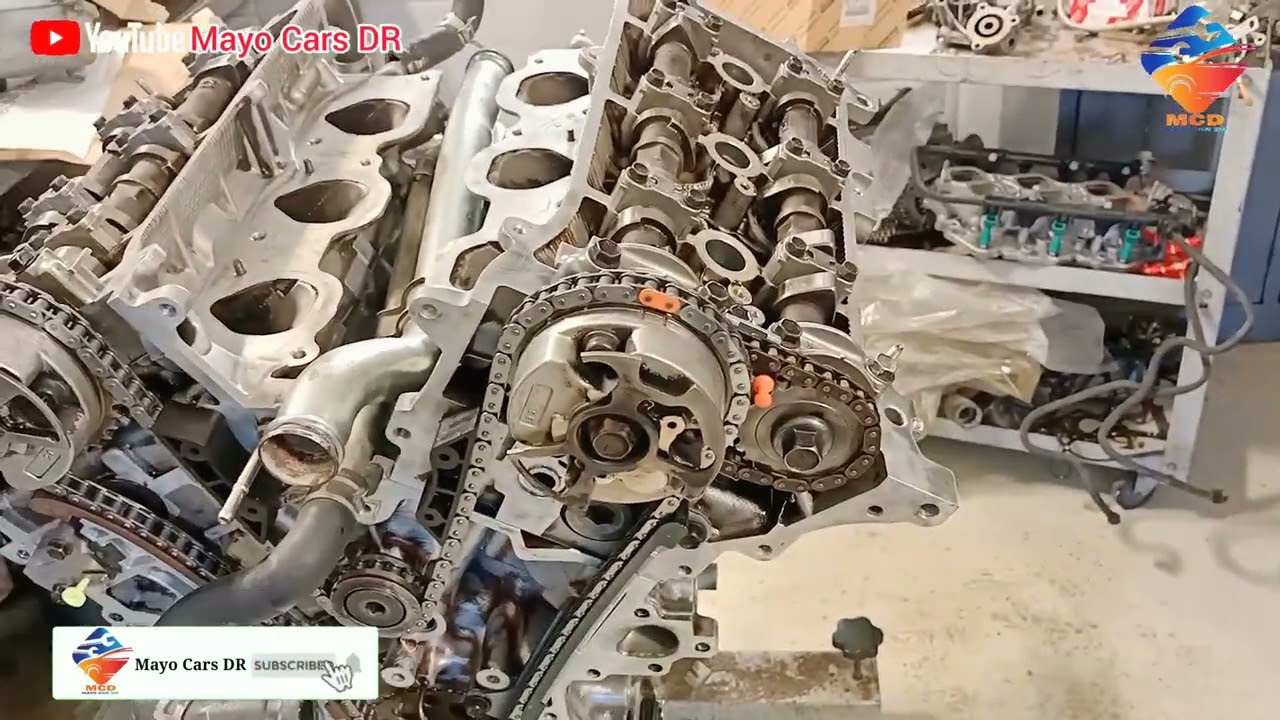
- Guides and tensioner pads: plastic or composite rails that keep the chain from slapping against the block. These wear, crack, and eventually shed material into the oil pan.
- The tensioner: a spring-and-oil-pressure device that keeps constant pressure on the chain. Tensioners can stick, weaken, or fail to hold pressure as oil control valves get gunked up.
- The chain itself: by the time the chain has enough wear to matter, the guides have usually already been destroyed by the slack the chain created.
That order matters because it explains why a "stretched chain" repair almost never means swapping just the chain. Any competent shop replaces the entire kit: chain, guides, tensioner, and often the sprockets, because putting a fresh chain on worn guides just restarts the same failure clock.
🚨 The Engines With a Reputation (And Why)
Not every engine has chain problems. Plenty run 200,000+ miles without a whisper. But a handful of platforms became infamous enough that "check the timing chain" is now standard advice before buying used.
- GM Ecotec 2.0T/2.4L engines: thin, plastic timing chain guides that are known to crack and disintegrate well before 100,000 miles, sometimes as early as 60,000
- Ford EcoBoost 1.6L (2013-2015ish): early oil pump drive chain issues that could stretch and, in bad cases, jump timing entirely
- VW/Audi 2.0T (EA888): earlier generations were notorious for tensioner failures and oil consumption that starved chain lubrication over time
- BMW N20/N26: timing chain guide failures serious enough to trigger service campaigns in some model years
None of these are universal death sentences. They're patterns, and patterns are exactly why buying used means checking service bulletins for the specific engine code, not just the make and model.
What tends to make chain wear worse across almost any platform:
- Extended oil change intervals (oil breaks down, lubrication at the pin-bushing joints suffers first)
- Using the wrong oil viscosity for the climate or the engine's design
- Excessive idling combined with infrequent oil changes (lots of cold-start cycles, less actual mileage to justify a change)
- Aggressive tuning that raises cylinder pressure without accounting for the extra load on the valvetrain
💸 What It Actually Costs to Fix
This is the number that changes people's minds about "maintenance-free."
- Front-mount timing chains (accessible without pulling the engine): typically $800-$1,800 for a full kit and labor, depending on the platform
- Rear-mount / behind-the-transmission timing chains (common on some transverse V6 layouts): the transmission has to come out first, pushing costs to $1,800-$3,500+
- If a guide fails catastrophically and debris gets into the oil pump pickup or the chain jumps time: you're now talking bent valves or a full engine rebuild, often $4,000-$8,000+
That last scenario is the real risk with chain stretch that timing belts don't share in quite the same way. A belt gives you a scheduled warning (the maintenance interval) and a predictable failure mode. A stretched chain gives you a rattle you can ignore for months, right up until it doesn't.
Spota tip: if your car's got a known chain-guide reputation, log your oil change intervals and any cold-start noise changes in your Spota Garage timeline. It's the kind of maintenance history that makes a huge difference to the next owner (or to you, three years from now trying to remember when that noise actually started).
⚡ Chain vs. Belt: The Myth of "Maintenance-Free"
The reason chain stretch catches so many owners off guard is the marketing gap between "chain-driven" and "belt-driven." Automakers lean hard on "no scheduled replacement" as a selling point for chains, and dealerships repeat it. Neither one is lying exactly, but neither one is telling the whole story either.
Timing belts:
- Rubber and fiber-reinforced, degrades on a predictable schedule (usually 60,000-100,000 miles)
- Failure mode is often sudden: the belt snaps
- On an "interference engine," a snapped belt means pistons meet valves. Instant, expensive damage
- But you know exactly when to replace it, so a snapped belt on a well-maintained car is almost always driver negligence, not bad luck
Timing chains:
- Metal, no fixed replacement interval, genuinely can last the life of some engines
- Failure mode is gradual: stretch, rattle, guide wear, then (eventually) skipped timing
- No manufacturer publishes a "replace at X miles" number, so there's no built-in reminder to check anything
- On engines with weak guides or tensioners, that lack of a scheduled check is exactly what lets minor wear turn into major damage before anyone notices
Neither system is objectively "better." A belt fails on a schedule you control. A chain fails on a schedule nobody tells you about. The engines that get bad reputations for chain issues aren't failing because chains are inferior technology, they're failing because a cheap plastic guide or a marginal tensioner got paired with a chain design that assumed those parts would hold up as long as the metal does. When they don't, the whole "lifetime part" pitch falls apart.
🧪 The Diagnosis Process, Step by Step
If you've got a suspicious noise and want to know how bad it actually is before you're quoted a repair, here's roughly what a competent shop does, and what you can approximate at home first.
- Cold start test. Record the noise on your phone at the very first start of the day. Send it to a mechanic or compare it against known chain-rattle clips online. This alone rules a lot of unrelated noises in or out.
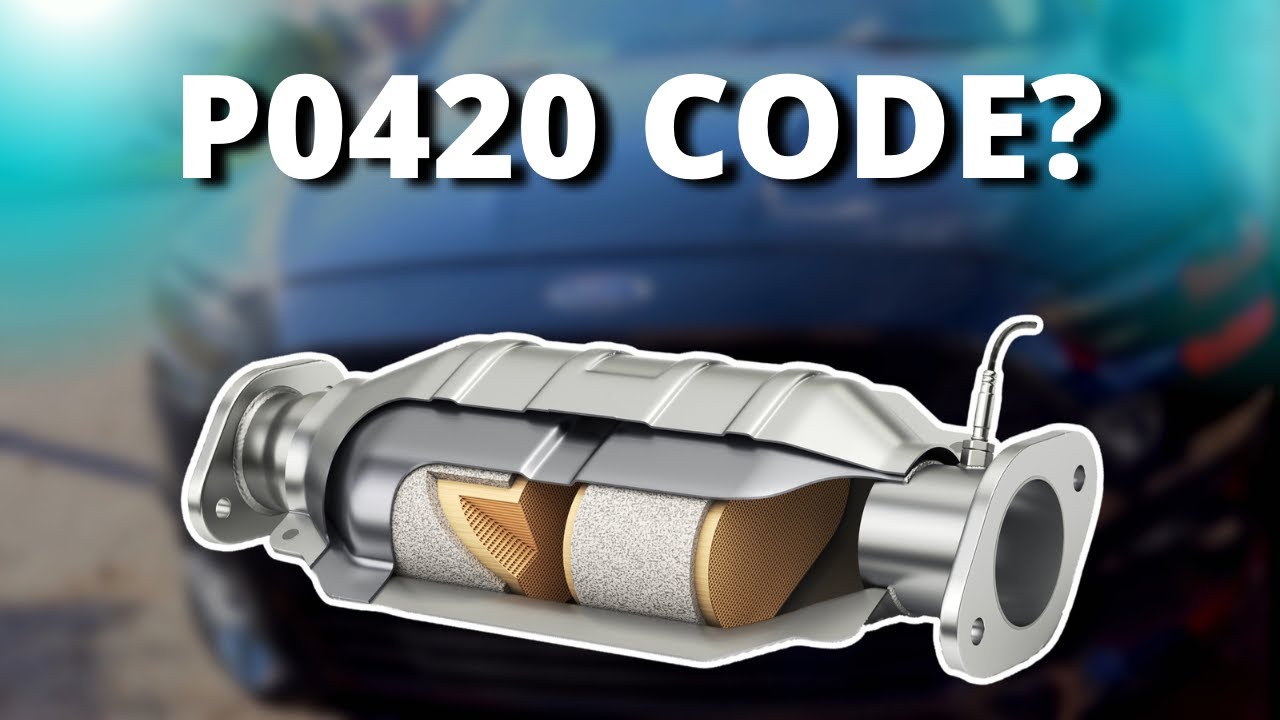
- Scan for codes, even if the check engine light isn't on yet. Camshaft/crankshaft correlation codes (the P0016-P0021 range) often show up before symptoms get obvious, because the PCM is comparing cam and crank position and catching the timing drift electronically before your ears do.
- Pull the valve cover or timing cover (shop-only for most engines) to visually inspect chain slack, guide wear, and tensioner extension. A tensioner that's near the end of its travel range is telling you the chain has already used up most of the slack it's designed to compensate for.
- Check oil condition and history. Sludge, extended intervals, or the wrong viscosity for the climate are almost always part of the story on any engine with a chain-guide reputation. Fixing the noise without fixing the maintenance habits just resets the clock.
- Decide on the kit, not just the chain. As covered above, replacing only the chain on old guides is a short-term fix. A proper repair replaces the full kit: chain, guides, tensioner, and often sprockets.
🔧 Catching It Before It Gets Expensive
You don't need a dealership visit to get a read on your chain's health. A few things worth doing yourself:
- Listen specifically at cold start, ideally first thing in the morning before the engine's been touched. Warm-engine rattle after a short drive is a different, often worse, sign.
- Check for a code before there's a noise. Timing chain wear that's progressed far enough will often throw a camshaft or crankshaft correlation code (P0016, P0017, P0021, etc.) before it gets loud.
- Pull an oil sample check. Fine metallic flecks in old oil can be a hint of guide or tensioner wear shedding material.
- Know your engine's reputation before you buy used. A quick search of "[your engine code] timing chain" turns up forum consensus fast, and it's five minutes that can save you thousands.
None of this requires expensive tools. It requires paying attention, which is more than most people do until the noise gets impossible to ignore.
❓ FAQs
Is a timing chain rattle always serious? Not always, but it's never something to ignore. A brief chirp during the first second of cold start on an engine with no history of chain issues can be a slightly slow-to-pressurize tensioner. A rattle that lasts several seconds, gets louder over weeks, or shows up on an engine known for guide failures deserves a real inspection.
Can I just replace the timing chain tensioner and skip the chain? On a chain with only minor wear, yes, a tensioner alone can fix a startup rattle. But if the chain has already stretched enough to make noise, the tensioner is usually already near the end of its adjustment range, and replacing just one part means you're back in the shop within a year or two.
How many miles do timing chains actually last? On a well-designed system with good maintenance, 150,000-250,000+ miles is normal, sometimes the life of the engine. On platforms with known guide or tensioner weaknesses, failures as early as 60,000-80,000 miles aren't unusual.
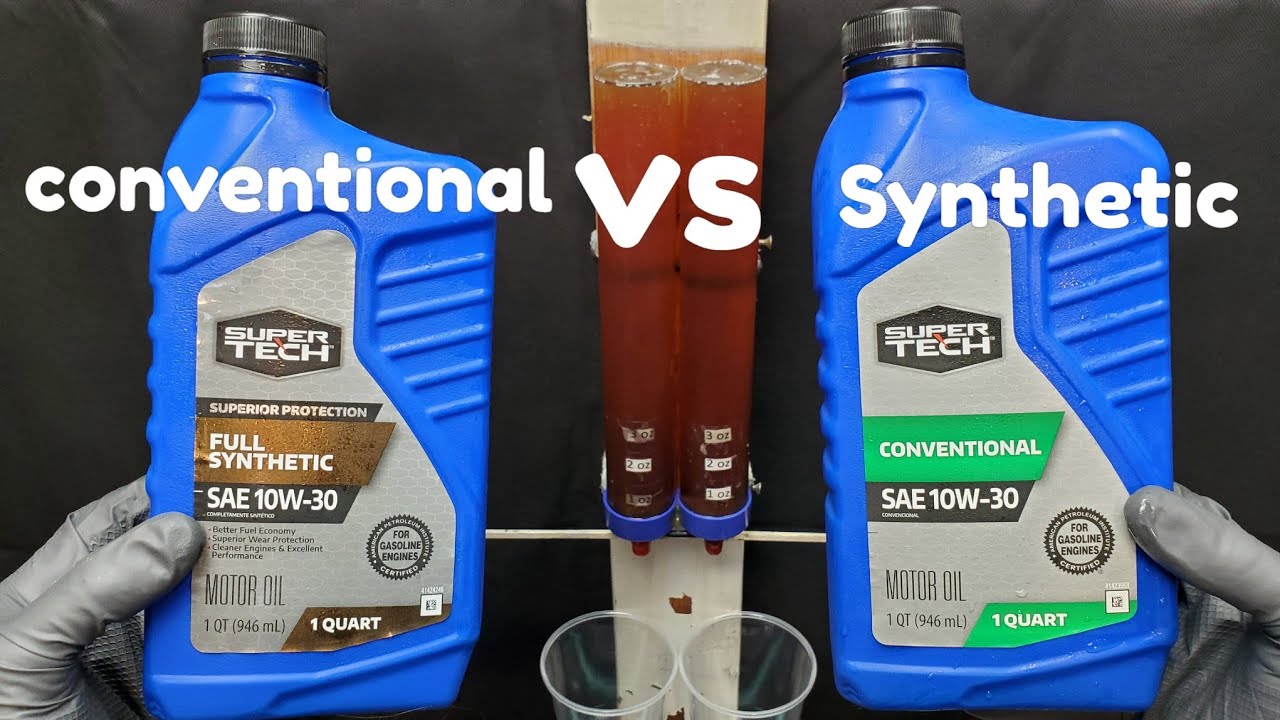
Does synthetic oil help timing chains last longer? Yes. Synthetic oil holds viscosity better under heat and resists breakdown longer than conventional oil, which directly protects the pin-and-bushing joints where chain wear actually happens. It won't fix a design flaw, but it slows down the wear that leads to one.
Will a stretched timing chain throw a check engine light? Often, yes, once it's progressed far enough. Camshaft or crankshaft position correlation codes are the most common. But plenty of cars run with an audible rattle for months before a code triggers, so don't wait for the light.
What happens if you ignore a rattling timing chain? Best case, it stays a noise for a long time and you eventually pay for a kit replacement. Worst case, the chain skips a tooth or jumps time, which can bend valves on an interference engine and turn a $1,000-$2,000 repair into a $5,000+ one.
Is it worth buying a used car with a known timing chain issue? Not automatically a dealbreaker, but it changes the math. Factor the likely repair cost into your offer, ask for service records showing the work was already done, or budget for it within the first year of ownership.
The Bottom Line
Timing chains earned their "lifetime part" reputation honestly, on most engines, most of the time. But "most" isn't "all," and the engines that break that rule tend to do it in a way that starts as a two-second cold-start rattle and ends as a four-figure repair bill. If your engine's got a reputation, or you're just hearing something new when you turn the key, don't wait for it to get worse. It won't fix itself, and it definitely won't get cheaper.
For more on the maintenance issues that quietly kill engines before anyone notices, check out Maintenance Mistakes That Kill Cars Slowly, and if you want the belt side of this story, read Why a $200 Timing Belt Becomes a $6,000 Engine. For more culture and mechanical deep-dives like this one, browse Under the Hood.
Every engine has a sound that means "pay attention." Learn yours before it has to teach you the hard way.